



Welcome to psilocybin tolerance — the single most misunderstood topic among mushroom enthusiasts, and one of the most important to understand if you want to get the most out of your experiences without wasting your stash.
In this guide, we’re going to break down exactly what psilocybin tolerance is, why it happens so fast, how long it takes to reset, and how to work with your biology instead of against it. Whether you’re into full journeys or microdosing, this one’s for you.
What Is Psilocybin Tolerance?
Let’s start with the basics.
Tolerance, in the pharmacological sense, means your body has adapted to a substance so that the same dose produces a weaker effect over time. It happens with caffeine. It happens with alcohol. And it happens very quickly with psilocybin.
But here’s what makes psilocybin tolerance unique compared to most other substances: it builds almost immediately.
We’re not talking about weeks or months of repeated use. With magic mushrooms, a noticeable tolerance can develop after a single dose. Take shrooms on Monday, try again on Tuesday with the same amount, and you’ll likely feel significantly less — maybe even nothing at all.
That’s not your imagination. That’s your serotonin receptors doing exactly what they’re designed to do.
The Science: Why Does Psilocybin Tolerance Happen?
To understand tolerance, we need to talk about what psilocybin actually does inside your brain.
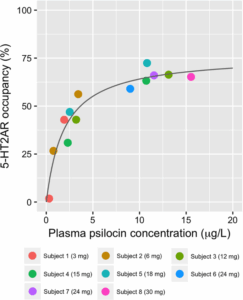
When you consume magic mushrooms, your body converts psilocybin into psilocin — the compound that actually crosses the blood-brain barrier and gets to work. Psilocin’s primary target? The serotonin 2A receptor (also called the 5-HT2A receptor). This receptor is heavily involved in mood regulation, perception, and cognition, and it’s the main reason mushrooms produce their signature psychedelic effects.
When psilocin floods these receptors, it essentially overloads the system. Your brain responds by doing something called receptor downregulation — it temporarily reduces the number and sensitivity of 5-HT2A receptors available on the cell surface.
Think of it like this: imagine you’re in a quiet room and someone suddenly blasts music at full volume. Your first reaction is intense — maybe you cover your ears. But if the music stays on, your brain starts adjusting. You don’t hear it as loudly anymore. That’s essentially what’s happening at the receptor level.
Your brain is saying: “Okay, that was a LOT of serotonin activity. Let me dial things down so we don’t get overwhelmed.”
The result? The next time psilocin comes knocking, there are fewer doors to open. The same dose produces a muted effect — or in some cases, no perceptible effect at all.
Recent research from Dartmouth University has even revealed that psilocybin’s therapeutic effects may involve the serotonin 1B receptor in addition to the well-known 2A receptor, which adds another layer to the tolerance puzzle. The full picture of how psilocybin interacts with the brain’s serotonin system is still being mapped out, but the core mechanism — receptor downregulation — is well established.
How Fast Does Tolerance Build?

Fast. Uncomfortably fast.
Here’s a rough timeline based on both anecdotal reports and the pharmacological data we have:
Immediately after your trip (0–24 hours):
Tolerance is at its peak. If you tried to take the exact same dose the next day, you’d need roughly 2.5 to 3 times the amount to achieve a similar effect. Most experienced psychonauts will tell you it’s simply not worth it.
Day 2–3:
Tolerance is still extremely high. Effects would be noticeably weaker even at elevated doses. Your receptors are still in recovery mode.
Day 4–7:
You’ll start to feel some sensitivity returning. Some people report that a trip at this point feels “okay but not great” — like a washed-out version of what it should be.
Day 7–10:
Most of the tolerance has dissipated for many people. Some users feel comfortable tripping again at this point, though it may still not hit quite as hard as a fully reset experience.
Day 14 (two weeks):
This is the widely accepted benchmark. By the two-week mark, most people report that their tolerance has fully reset and the same dose will produce the same intensity as before.
Now, these are general guidelines. Individual factors like your metabolism, body weight, the specific strain, and your personal neurochemistry all play a role. Some people reset faster. Some take a little longer. But the 14-day rule is a reliable baseline for the vast majority of people.
The Cross-Tolerance Factor: Shrooms, LSD, and Beyond
Here’s something that catches a lot of people off guard: psilocybin tolerance isn’t limited to just psilocybin.
Because multiple psychedelics work on the same serotonin 2A receptor, taking one can build tolerance to others. This is called cross-tolerance, and it’s a real thing.
The most well-documented cross-tolerance exists between:
- Psilocybin (magic mushrooms) and LSD
- Psilocybin and DMT (to a lesser extent)
- LSD and mescaline
So if you drop acid on Friday and then eat mushrooms on Sunday, don’t be surprised if the mushrooms feel underwhelming. Your 5-HT2A receptors are already downregulated from the LSD, and they don’t care which compound caused it — they’re taking a break either way. If you’re curious about how these substances compare, check out our blog on Magic Mushrooms vs. LSD vs. DMT Vapes.
This also works in reverse. A heavy mushroom trip on Monday will blunt an LSD experience later that week.
The practical takeaway? If you use any classical psychedelic (those that primarily act on 5-HT2A), you need to factor ALL of them into your tolerance calculations, not just the one you’re about to take.
Interestingly, cross-tolerance does not appear to extend significantly to:
- MDMA (which primarily affects dopamine and serotonin release, not 2A receptors specifically)
- Ketamine (which works on NMDA/glutamate receptors — a completely different system)
- Cannabis (which works on the endocannabinoid system)
These substances operate through different mechanisms, so they don’t interfere with your psilocybin tolerance window.
The 14-Day Reset Rule: Myth or Science?
You’ll hear “wait two weeks” repeated like gospel in psychedelic communities. But is it actually backed by science, or is it just bro-science that stuck?
The answer is: it’s a bit of both, and that’s okay.
The two-week figure comes from a combination of early clinical observations, user self-reports compiled over decades, and what we understand about 5-HT2A receptor turnover rates. While we don’t have a massive, gold-standard clinical trial that specifically measured psilocybin tolerance recovery at precise intervals in humans (yet), the convergence of pharmacological evidence and thousands of consistent anecdotal reports makes the 14-day guideline a strong practical recommendation.
What the science does confirm:
- 5-HT2A receptors downregulate rapidly after agonist exposure. This is well-documented in receptor pharmacology.
- Receptor resensitization takes time — generally on the order of days to two weeks, depending on the intensity of the initial stimulation.
- Repeated dosing without adequate breaks leads to diminishing returns. This has been observed across all classical psychedelics.
So while “14 days” might not be a magic number etched into your DNA, it’s a well-supported guideline that works for the overwhelming majority of people. Some people may reset in 10 days. A few might need closer to 3 weeks after a particularly intense experience. But two weeks is a solid, conservative baseline.
Our recommendation? Treat two weeks as the minimum, not the target. If you can wait longer — three weeks, a month, or more — you’ll often find that the experience is even richer and more meaningful. There’s something to be said for giving your brain (and your psyche) room to breathe.
Tolerance and Microdosing: A Different Game
If you’re a microdoser, you might be thinking: “But I take tiny amounts. Does tolerance even apply to me?”
Yes — absolutely. Tolerance affects microdosers too, which is exactly why every credible microdosing protocol has built-in off days. If you’re new to all of this, start with our Microdosing 101 guide first.
Let’s look at the two most popular protocols:
The Fadiman Protocol
Developed by Dr. James Fadiman, often called the “godfather of microdosing”:
- Day 1: Microdose
- Day 2: Off (transition day — you may still feel subtle effects)
- Day 3: Off (full rest day)
- Day 4: Microdose again
- Repeat this cycle for 4–8 weeks, then take a 2–4 week break.
The two days off between doses specifically account for tolerance. Without them, you’d quickly stop feeling the benefits.
The Stamets Protocol
Proposed by renowned mycologist Paul Stamets:
- Days 1–4: Microdose daily (often “stacked” with Lion’s Mane and Niacin)
- Days 5–7: Off
- Repeat for 4 weeks, then take a 2–4 week break.
This protocol is more aggressive with consecutive dosing days, but it compensates with a longer off period and an extended break after each cycle. Stamets theorizes that the stacking compounds (Lion’s Mane for nerve growth factor, Niacin for vasodilation and delivery) may partially counteract tolerance effects, though this hasn’t been conclusively proven in clinical studies.
If you’re curious about capsule blends that follow this kind of approach, take a look at our Microdose Capsules: Benefits, Blends, and What to Expect.
What Happens If You Microdose Every Single Day?
People try it. It doesn’t go well.
Here’s what typically happens when someone microdoses daily without breaks:
- Week 1: Effects are noticeable and pleasant. Mood lift, enhanced creativity, subtle shift in perception.
- Week 2: Effects start to diminish. You might increase the dose slightly to compensate.
- Week 3–4: Very little perceptible benefit. The magic is gone. Some people report feeling worse than baseline — irritable, foggy, or emotionally flat.
The irony is that taking more to compensate for tolerance usually makes things worse, not better. You’re fighting your brain’s natural regulatory mechanisms, and your brain will always win that fight.
The golden rule of microdosing: less is more, and rest days are not optional — they’re part of the medicine.
Can You “Override” Tolerance by Taking More?
This is probably the most common question (and mistake) in the mushroom world.
“I tripped three days ago, so I’ll just double my dose to make up for tolerance.”
Technically, yes — you can partially compensate for tolerance by increasing the dose. But here are the problems with this approach:
1. Diminishing Returns
Even with a significantly higher dose, the experience won’t match a full-sensitivity trip. It’ll feel “off” — like you’re getting some of the physical effects (body load, potential nausea) without the full depth of the psychological and visual experience.
2. Unpredictable Intensity
Tolerance doesn’t reduce all effects equally. You might successfully override the visual aspects but find the emotional and introspective dimensions are still blunted — or vice versa. This can lead to unbalanced, unsatisfying, or even uncomfortable experiences.
3. You’re Wasting Mushrooms
Let’s be real — good mushrooms aren’t free. If you need 5 grams to achieve what 2.5 grams would do after a proper reset, you’re burning through your supply for a fraction of the experience. That’s bad economics and bad psychonautics.
4. You’re Disrespecting the Process
This might sound a little woo-woo, but experienced psychedelic users almost universally agree: mushrooms work best when you approach them with patience and intention. Trying to brute-force your way through tolerance is the opposite of that mindset. It’s chasing the experience rather than allowing it to come to you.
Factors That Affect YOUR Personal Tolerance Reset
While the 14-day rule is a great general guideline, your personal reset time can be influenced by several factors:
1. Dose Size
A microdose (0.1–0.3g) creates far less receptor downregulation than a heroic dose (5g+). If your last experience was a mild museum dose, you might reset faster than someone who had a full-blown ego dissolution experience. For more context on dose levels, check out our blog on How Shrooms Make You Feel.
2. Frequency of Use
If you trip regularly (say, every two weeks like clockwork for months), some evidence suggests your baseline tolerance may gradually shift upward. In other words, chronic use might make it take slightly longer to fully reset compared to someone who trips only occasionally.
3. Individual Neurochemistry
Everyone’s brain is a little different. Genetic variations in serotonin receptor density, metabolism speed, and overall neuroplasticity all influence how quickly your receptors bounce back. Research from UCSF has highlighted how psilocybin promotes neuroplasticity, which may play a role in tolerance recovery as well.
4. The Strain
Higher-potency strains like Penis Envy deliver more psilocybin per gram, which means more intense receptor stimulation and potentially a slightly longer tolerance window compared to a milder strain like Golden Teachers at the same weight. Not sure which strain is right for you? Our guide on How Different Strains Affect Your Experience breaks it all down.
5. Age and Overall Health
There’s some evidence that receptor turnover rates slow with age, which could mean older adults take slightly longer to fully reset. General brain health, sleep quality, nutrition, and stress levels may also play a role.
6. Method of Consumption
Lemon tekking or making tea can accelerate the onset and intensify the experience by converting psilocybin to psilocin before ingestion. A more intense peak might mean more aggressive receptor downregulation, even if the overall dose is modest. We talk about this a bit in our blog on Why Magic Mushrooms Cause Nausea — where lemon tek is one of the go-to solutions.
How to Properly Reset Your Tolerance: Practical Tips
Ready for the simple, actionable version? Here’s how to respect your tolerance and get the most out of every experience:
✅ Wait at Least 14 Days Between Full Trips
This is the non-negotiable baseline. Longer is even better. Many experienced psychonauts prefer 3–4 weeks (or more) between sessions, not just for tolerance reasons but for proper integration — the process of reflecting on and applying the insights from your experience.
✅ Follow a Structured Microdosing Protocol
If you’re microdosing, pick a schedule (Fadiman or Stamets) and stick to it. Don’t skip rest days. Don’t gradually increase your dose. Trust the process. If you need a refresher, our Microdosing 101 blog has everything you need.
✅ Take Extended Breaks
Every 4–8 weeks of microdosing, take a 2–4 week break. This allows your receptors to fully reset and also gives you a chance to evaluate your baseline mood and cognition without the influence of psilocybin.
✅ Keep a Journal
Track your doses, the dates, the strain, and your subjective experience. Over time, you’ll develop an incredibly valuable personal dataset that tells you exactly how YOUR tolerance behaves. What resets in 10 days for your friend might take you 16 days, and the only way to know is through mindful self-observation.
✅ Don’t Chase the Dragon
If you’re finding that you “need” to trip more frequently or at higher doses to feel satisfied, that’s a signal to step back, not push forward. Psilocybin is not physically addictive, but psychological patterns can develop. The most beneficial relationship with mushrooms is one of respect and moderation.
✅ Support Your Brain Between Sessions
Good sleep, regular exercise, healthy nutrition, adequate hydration, and stress management all support neuroplasticity and receptor health. A well-rested, well-nourished brain is a brain that responds optimally to psilocybin.
Tolerance vs. Dependence: An Important Distinction
Let’s clear something up because this causes confusion:
Tolerance and dependence are NOT the same thing.
- Tolerance = your body adapts to a substance, requiring more to achieve the same effect.
- Physical dependence = your body relies on a substance to function normally, and stopping causes withdrawal symptoms.
- Addiction = compulsive use despite negative consequences.
Psilocybin builds tolerance rapidly, but it is not considered physically addictive. There are no withdrawal symptoms when you stop using it. In fact, psilocybin is one of the least addictive substances known — studies consistently rank it at the very bottom of addiction potential, well below caffeine, alcohol, nicotine, and virtually every other recreational substance.
The rapid tolerance buildup actually serves as a natural safeguard against abuse. It’s very difficult to use mushrooms compulsively because the diminishing returns make frequent use pointless. Your brain essentially says, “We’re done for now. Come back in two weeks.”
This is one of the reasons researchers are so excited about psilocybin’s potential for treating other addictions — it’s a powerful therapeutic tool with a built-in mechanism that discourages its own overuse. Studies like the one from the University of Colorado published in the Annals of Internal Medicine confirm that psilocybin use is rising sharply, and understanding tolerance is more important than ever as more people explore these substances outside of clinical settings.
Frequently Asked Questions
Can I trip two days in a row?
You can, but you shouldn’t expect much. Tolerance after a single dose is substantial. Most people report needing 2–3x the dose for even a fraction of the previous day’s effect. It’s generally not worth it.
Does eating or fasting affect tolerance?
Eating vs. fasting affects the onset and intensity of a specific trip (empty stomach = faster, stronger onset), but it doesn’t meaningfully change how quickly tolerance builds or resets.
I microdosed this morning. Can I do a full trip tonight?
A microdose creates minimal tolerance, so you’ll likely still have a meaningful experience. However, it might be slightly muted compared to a completely fresh baseline. If you’re planning a significant trip, it’s ideal to have at least 2–3 fully clean days beforehand.
Does tolerance ever become permanent?
No. Psilocybin tolerance is always temporary. Even with heavy, frequent use, a sufficient break (typically 2–4 weeks) will fully restore normal sensitivity. There’s no evidence of permanent tolerance with psilocybin.
I waited two weeks but the trip still felt weaker. What happened?
Several possibilities: different batch potency, different stomach contents, different mindset (set and setting!), slight differences in strain, or simply a different neurological day. Not every trip is the same, and that’s not always a tolerance issue. For more on this, our 10 Best Activities to Do While on Magic Mushrooms blog is a great resource on creating the right conditions.
Does CBD or cannabis affect psilocybin tolerance?
No. Cannabis and CBD work on entirely different receptor systems (cannabinoid receptors vs. serotonin receptors). They don’t create cross-tolerance with psilocybin.
The Bottom Line
Psilocybin tolerance is your brain’s natural response to intense serotonin receptor activation. It kicks in fast, it’s very real, and fighting it is a losing battle. But here’s the good news: it’s also completely temporary, well-understood, and easy to manage.
The recipe is simple:
- For full trips: Wait a minimum of 14 days between sessions.
- For microdosing: Follow an established protocol with built-in rest days.
- For both: Take periodic extended breaks, keep a journal, and listen to your body.
Mushrooms are one of the few substances on Earth that seem to want you to use them thoughtfully. The built-in tolerance mechanism is almost like a guardrail — it naturally encourages spacing, reflection, and intentionality.
Work with it, not against it, and every experience will be worth the wait.
Happy tripping!
Curious about finding the right strain or dose for your next session? Browse our full selection of magic mushrooms, or check out our microdose capsules to get started.
Sources
- Dartmouth University — “Study Finds Non-Hallucinogenic Psilocybin Neural Receptor” (January 2026) — https://home.dartmouth.edu/news/2026/01/study-finds-non-hallucinogenic-psilocybin-neural-receptor
- UCSF — “How Magic Mushrooms Could Help Parkinson’s Disease Patients” (2025) — https://www.ucsf.edu/news/2025/04/429906/how-magic-mushrooms-could-help-parkinsons-disease-patients
- University of Colorado / Annals of Internal Medicine — Psilocybin Use Study (April 2025) — https://www.sciencedaily.com/releases/2025/04/250421221118.htm
- Health Canada — Psilocybin and Psilocin (Magic Mushrooms) — https://www.canada.ca/en/health-canada/services/substance-use/controlled-illegal-drugs/magic-mushrooms.html
- PubChem — Psilocybin Compound Summary — https://pubchem.ncbi.nlm.nih.gov/compound/Psilocybin
- National Institute on Drug Abuse (NIDA) — Psychedelic and Dissociative Drugs — https://nida.nih.gov/research-topics/psychedelic-dissociative-drugs
- Johns Hopkins Center for Psychedelic & Consciousness Research — https://www.hopkinspsychedelic.org/
Disclaimer: This blog is for educational and harm reduction purposes only and is not medical advice. Magic mushrooms are classified as controlled substances in most jurisdictions. Always research the laws in your area and consult a healthcare professional before using any psychedelic substance.