Blue Magnolia
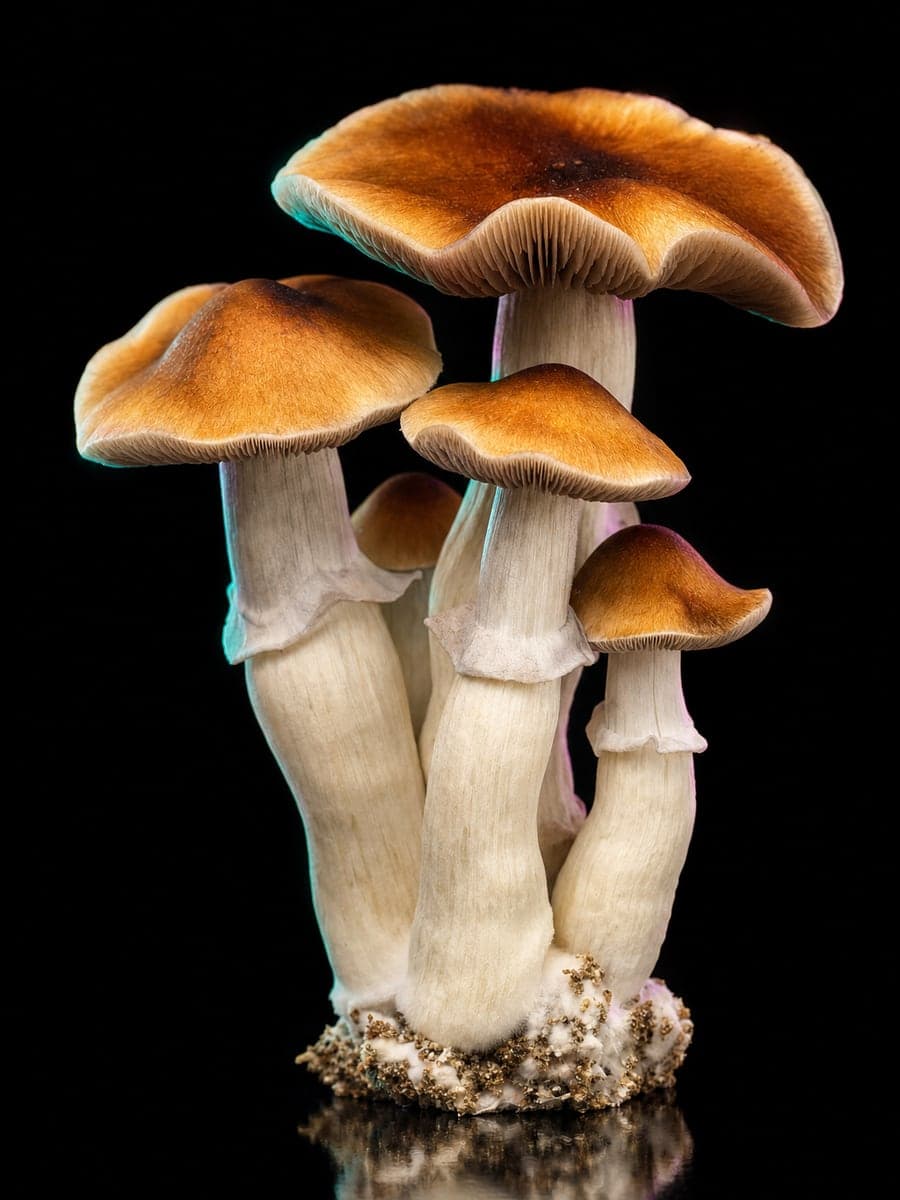
A wild Mississippi cube with big, wavy flushes.
Its distributor says Blue Magnolia was isolated in 2011 by Doc and Mycotek from a wild spore collection made in Mississippi, from a habitat of cow and horse dung and enriched soil; the line it sells came through a grower called HappyDemon.
A blog retelling dates the find to 2015 and says tissue from the original mushroom was sent to hobbyists on a mushroom forum; the distributor's date is 2011.
Where Blue Magnolia comes from
Blue Magnolia is a Psilocybe cubensis isolated from a wild spore collection made in Mississippi, credited by its distributor to growers known as Doc and Mycotek in 2011. Growers list it as Blue Magnolia Classic to set it apart from its rust-spored offshoot. It is best known as a parent of Steel Magnolia.
- Origin
- Mississippi, USA, from cow and horse dung (reputed) · 2011 (per its distributor)
- Family
- Wild isolates · Americas · Uncommon
- Lineage
- Steel Magnolia is listed as a cross of Blue Magnolia Classic and Penis Envy; Blue Magnolia Rust as a rust-spored isolate of it.
Its distributor says Blue Magnolia was isolated in 2011 by Doc and Mycotek from a wild spore collection made in Mississippi, from a habitat of cow and horse dung and enriched soil; the line it sells came through a grower called HappyDemon.
InoculateTheWorld: Blue Magnolia spore print (vendor page)A grower-compiled Shroomery list records Blue Magnolia Classic (BMC) as originally isolated by two Shroomery users from Mississippi, and Blue Magnolia Rust as a rust-spored isolate of it, credited with some doubt to a Mycotopia user.
Shroomery forum: 'A Huge List of Psilocybe Cubensis Variety description' (LulzSwag, 2022–24)Basidium Equilibrium keeps it in its collection as a legacy line documented by Doc Danks Seeds, describing a classic cap profile with medium-to-broad gills.
Basidium Equilibrium: Blue Magnolia (vendor page)A breeder's strain guide names Blue Magnolia Classic as one parent of Steel Magnolia, with Penis Envy.
Wumbo Genetics strain guide (2023, vendor page)
A blog retelling dates the find to 2015 and says tissue from the original mushroom was sent to hobbyists on a mushroom forum; the distributor's date is 2011.
What it looks like
- Caps
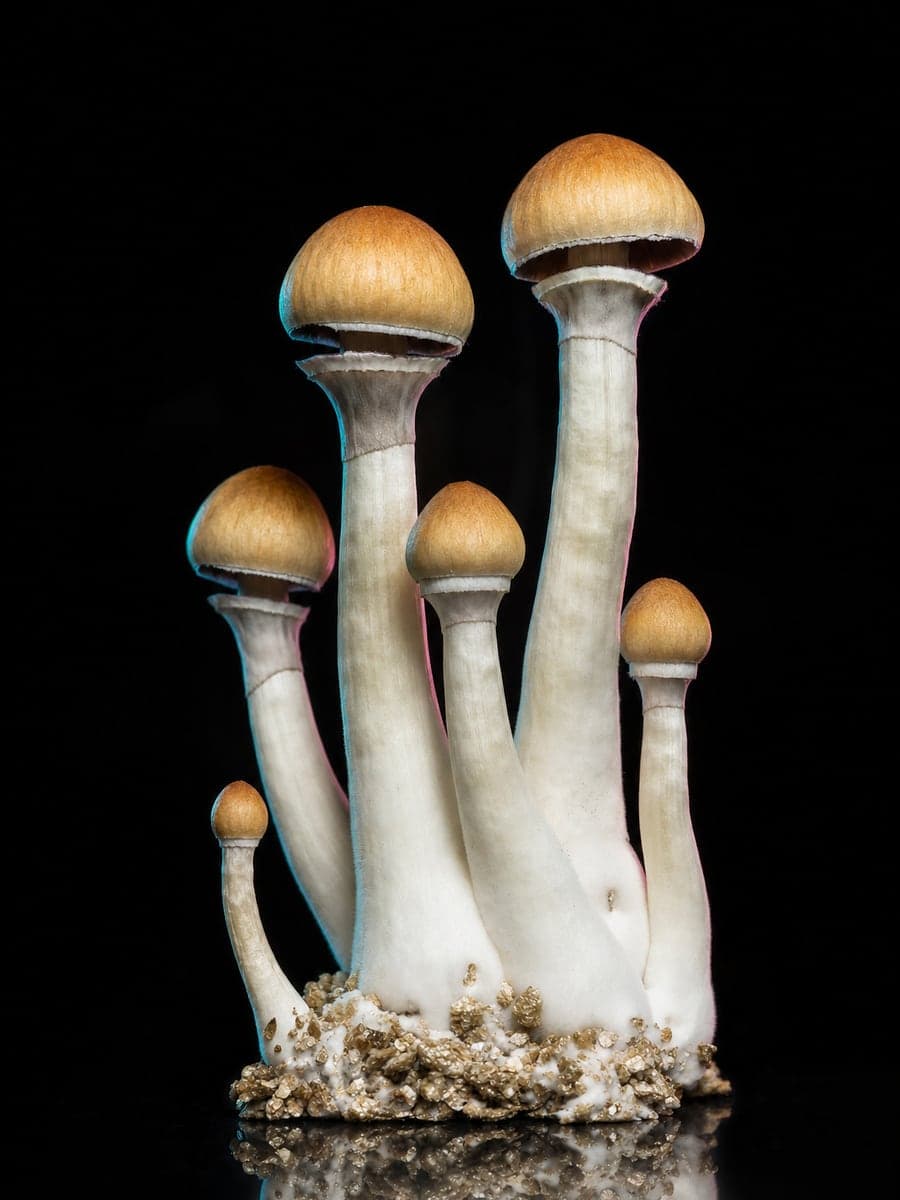
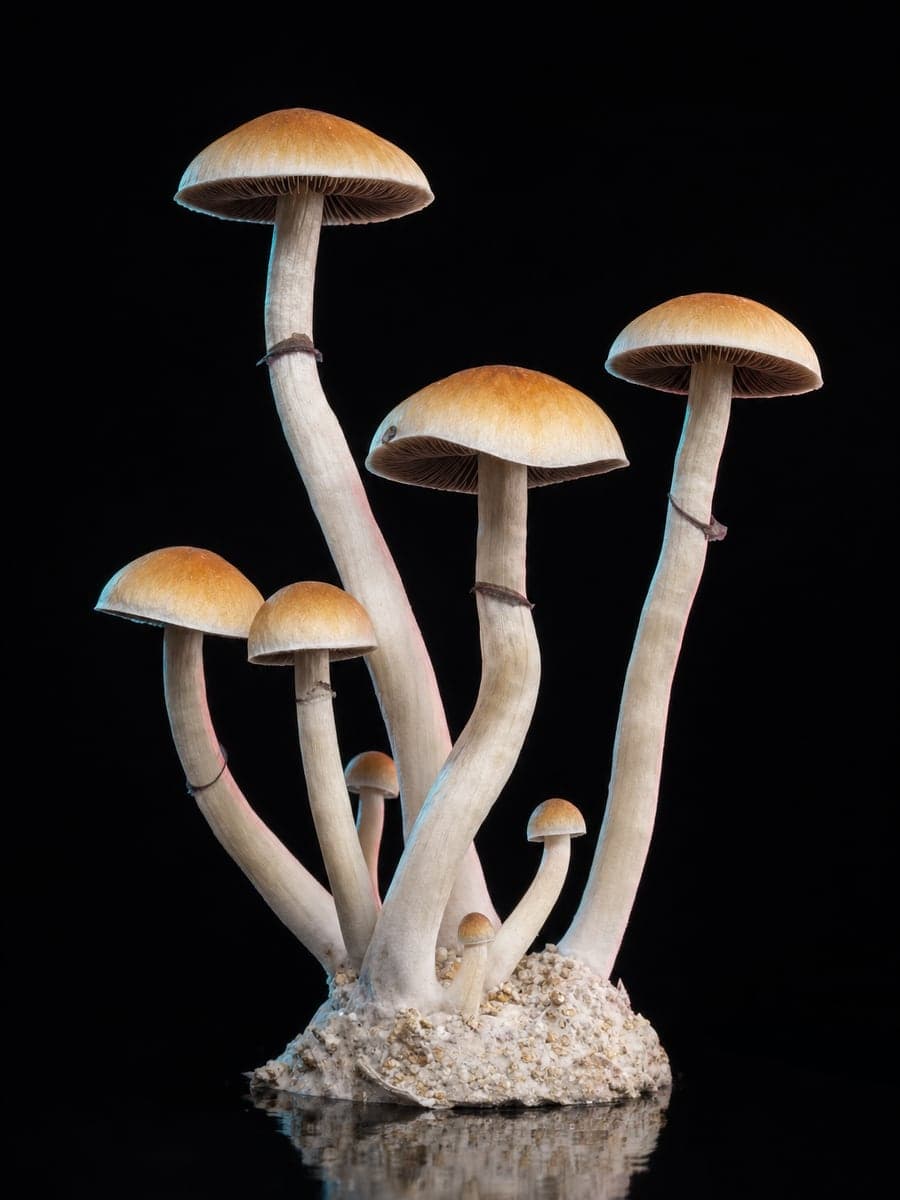
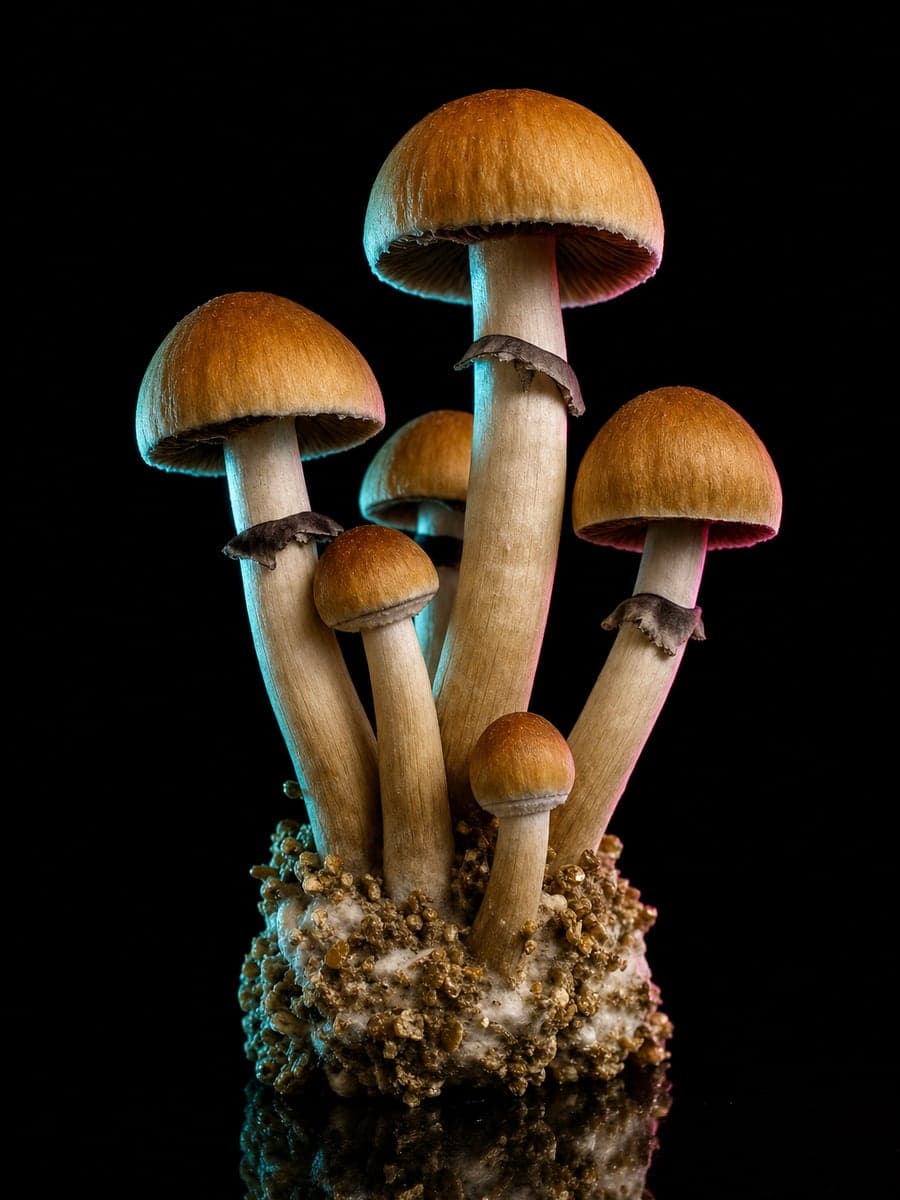
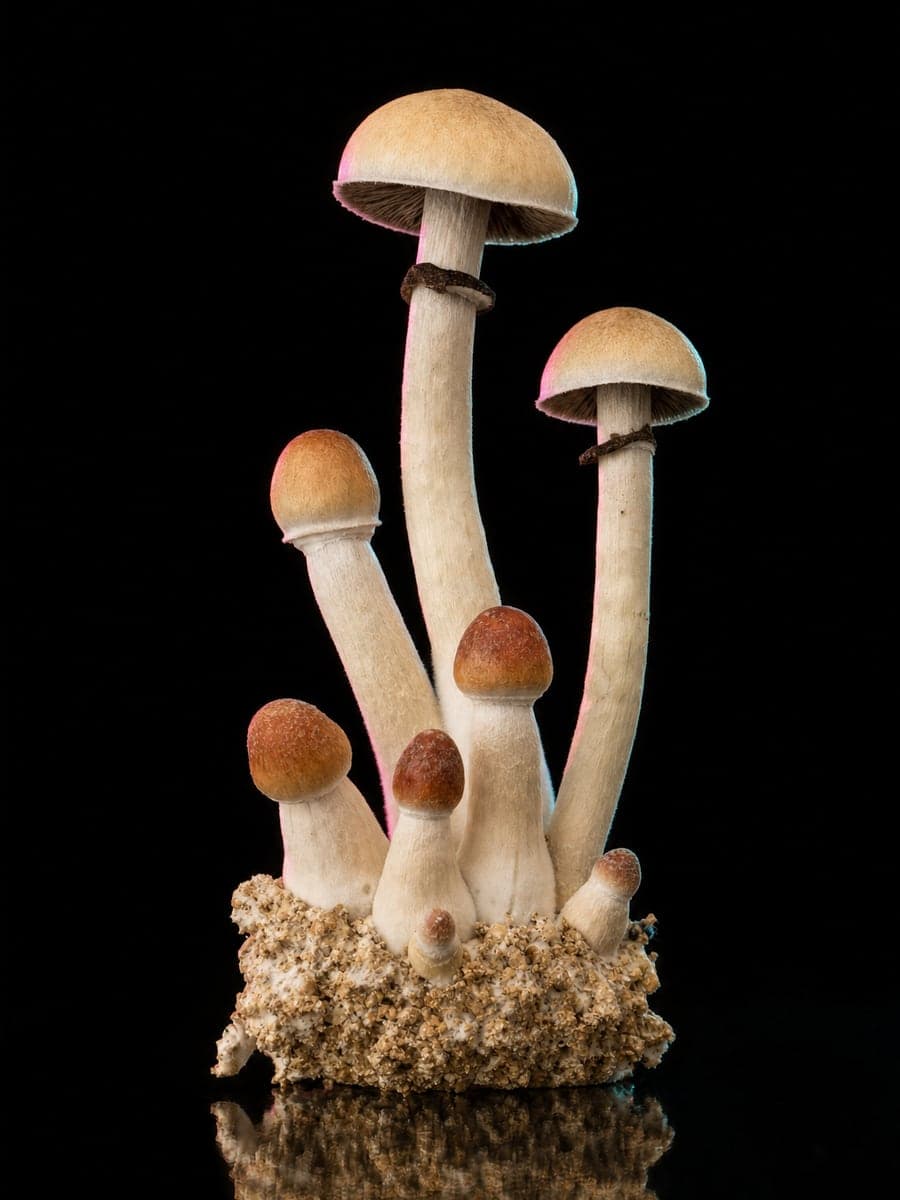
- Golden-caramel to brown caps that open wide and flat, often with wavy edges and darker centres.
- Stems
- Thick, pale cream stems; large fruits in dense flushes.
- Notes
- Its distributor describes dark brown spores. Cap and stem notes come from vendor grow photos. A separate rust-spored isolate, Blue Magnolia Rust, also exists.
- Growing
- Its distributor promises consistent flushes of very large fruits; growers' photos show dense, heavy flushes.
How it is described
Vendors and blogs call it potent, but no lab result or trip-report consensus was found. It is safest described as a typical, productive wild-type cubensis.
Based on: Vendor and blog descriptions only; no lab data.
Blue Magnolia, asked and answered
Where does the Blue Magnolia strain come from?
From a wild spore collection made in Mississippi, on cow and horse dung. Its distributor credits Doc and Mycotek with the isolation in 2011.
What does Blue Magnolia look like?
Big flushes of golden-caramel caps that open wide and wavy, on thick pale stems. Its distributor describes dark brown spores.
Is Blue Magnolia strong?
Vendors call it potent, but there are no lab results for it. Treat it as a typical cubensis.
What is the difference between Blue Magnolia and Steel Magnolia?
Blue Magnolia is the wild Mississippi isolate. Steel Magnolia is a later cross of Blue Magnolia Classic with Penis Envy.
The Shroomdex records history and reputation, not advice: how a strain is described is never a promise of how it will feel, and nothing here is medical advice. Strength varies from batch to batch. Start low and see our dose calculator. Never forage from a website: deadly look-alikes grow wild.