Cambodian Gold
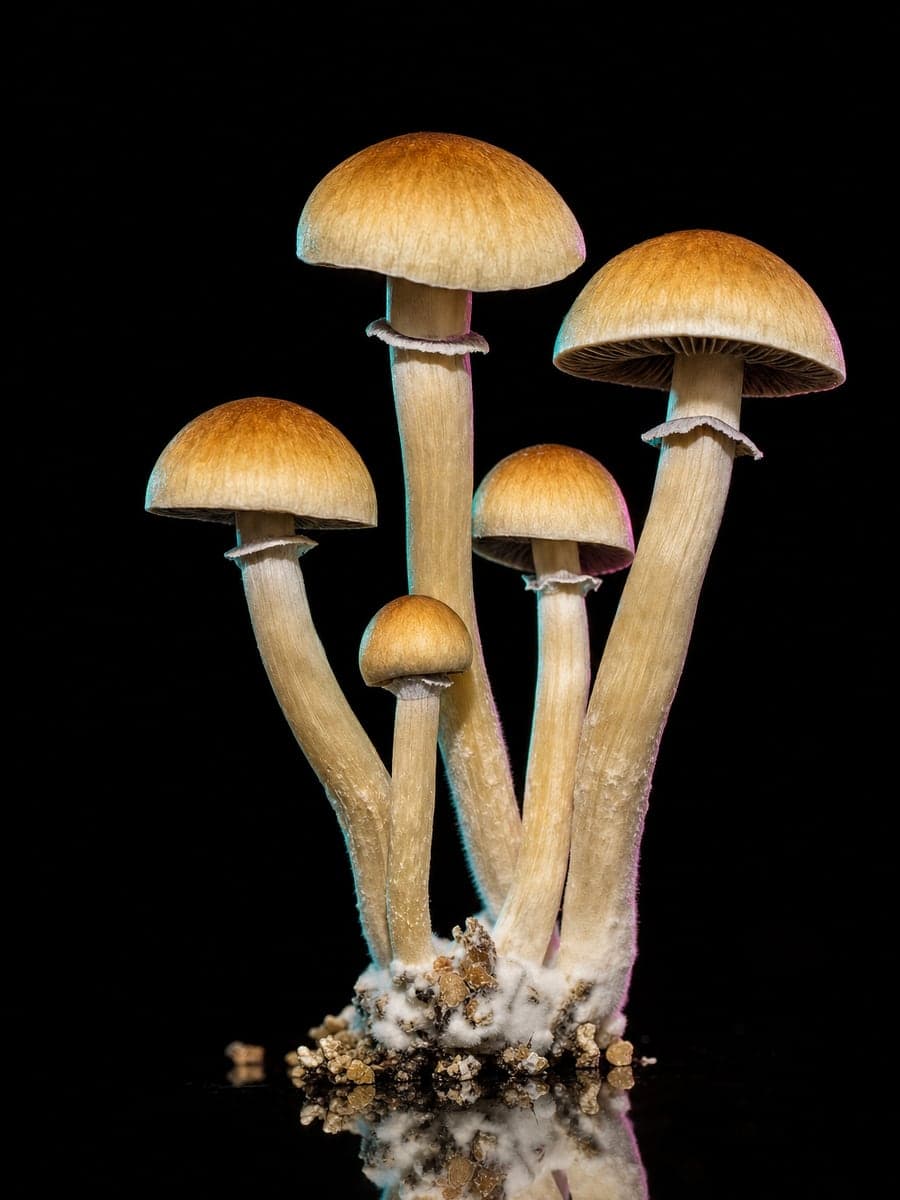
Golden caps from the Angkor Wat story.
Inoculate The World says Cambodian Gold was originally foraged at or near the Angkor Wat temple complex and brought into cultivation by John Allen.
The Angkor Wat story is shared with the older Cambodian strain, and growers often assume Cambodian Gold is a selection of it.
Where Cambodian Gold comes from
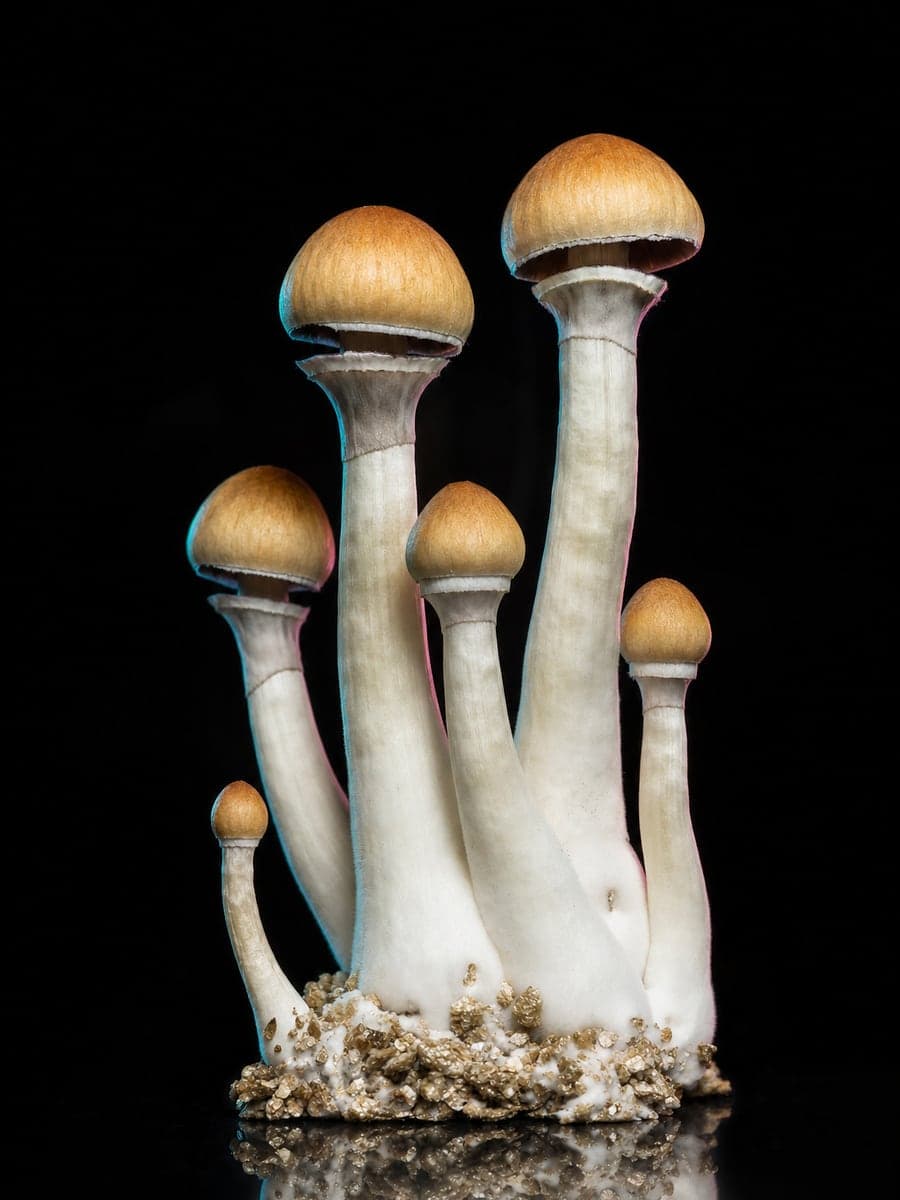
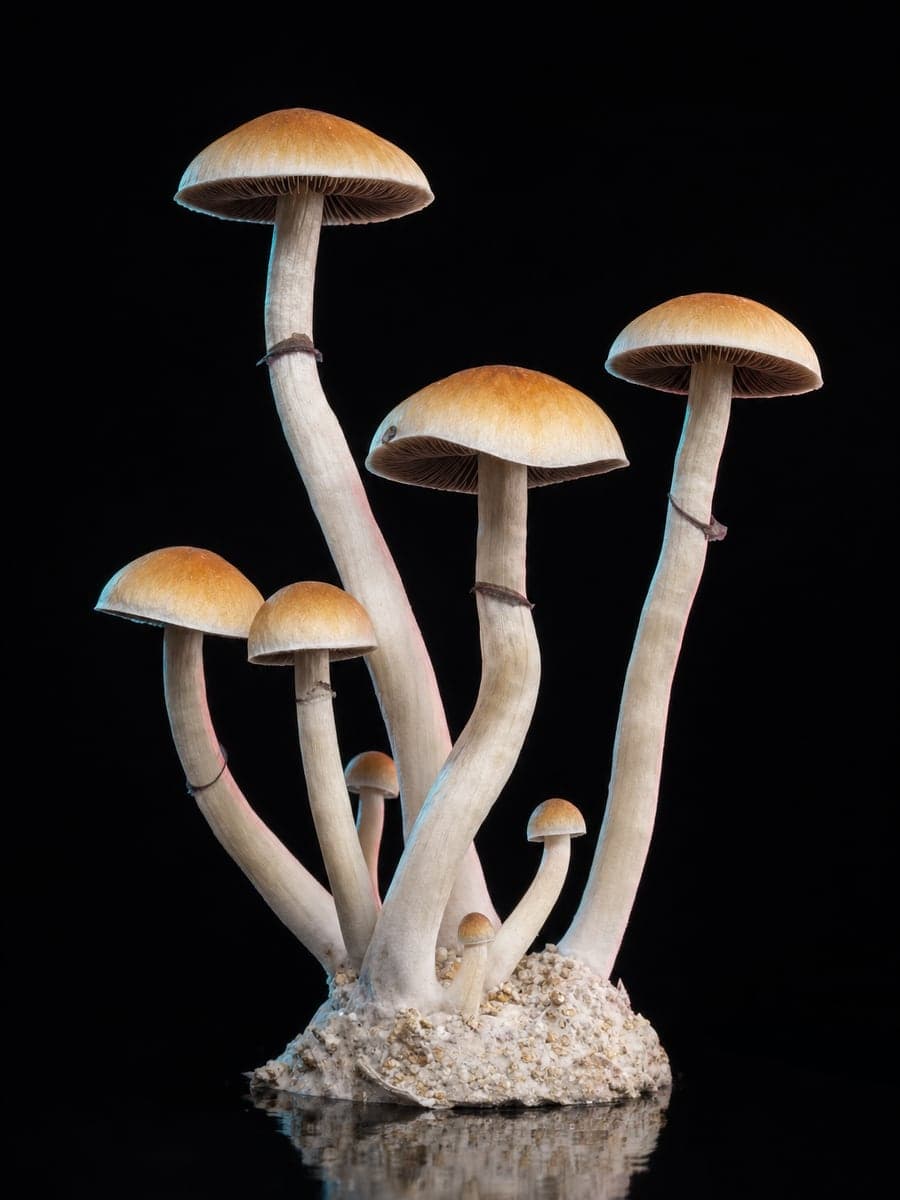
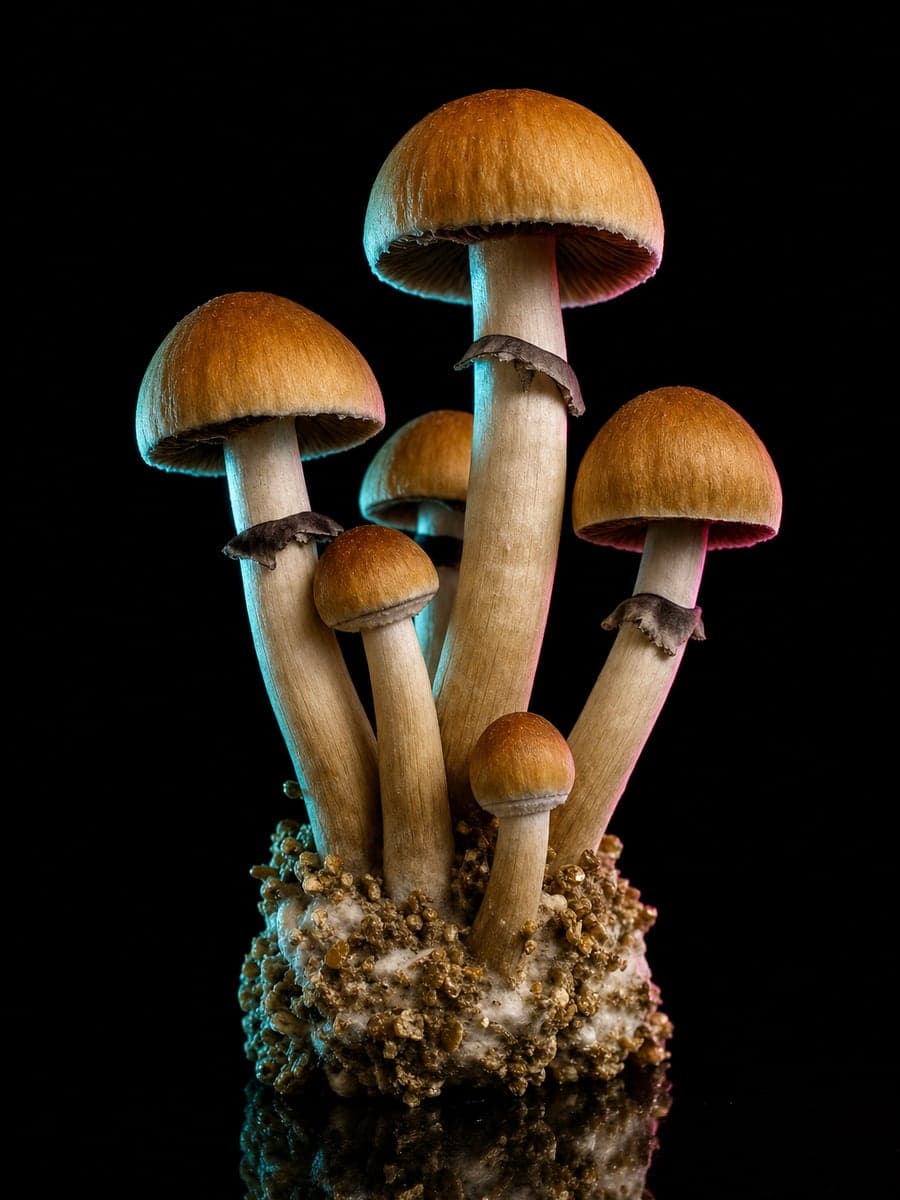
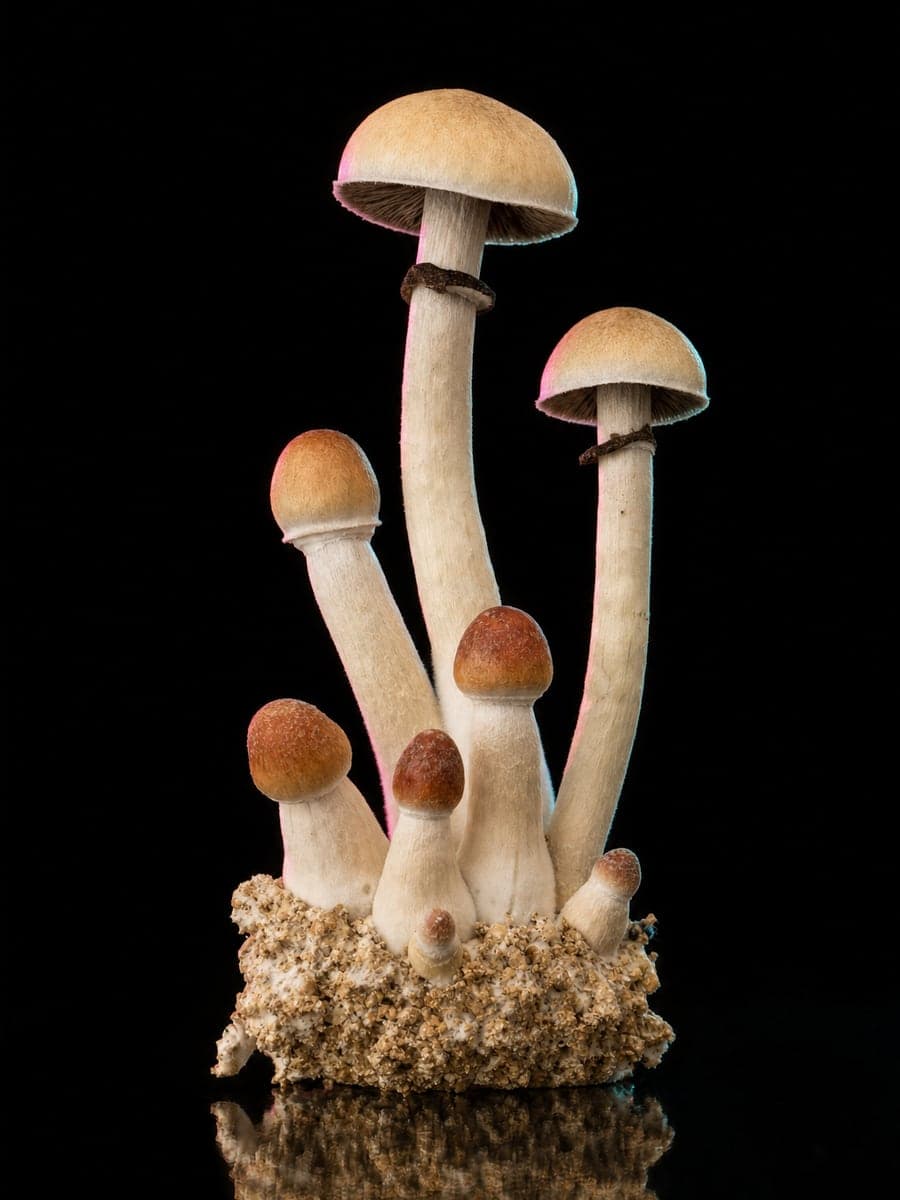
Cambodian Gold is a Psilocybe cubensis strain sold by a US spore seller, which traces it to mushrooms John Allen foraged around Angkor Wat in Cambodia. It grows dense flushes of golden-tan caps on slender cream stems. The seller lists it separately from the older Cambodian strain, and how the two relate is not documented.
- Origin
- Angkor Wat area, Cambodia (per its seller; collected by John Allen)
- Family
- Wild isolates · Asia · Uncommon
- Lineage
- Its origin story is the same as the dex's Cambodian strain; no source says whether it is a selection of that line or a separate collection.
Inoculate The World says Cambodian Gold was originally foraged at or near the Angkor Wat temple complex and brought into cultivation by John Allen.
Inoculate The World: Cambodian Gold Spore Syringe (vendor page)Inoculate The World: Cambodian Gold Spore Print (vendor page)The same seller describes golden caps on standard, cream-coloured hollow stems and calls the genetics fast.
Inoculate The World: Cambodian Gold Spore Syringe (vendor page)The seller sells Cambodian Gold and a plain Cambodian strain as separate products.
Inoculate The World: catalogue search for "cambodian" (vendor)Psilocybe cubensis is a pan-tropical species recorded from Southeast Asia, Cambodia included.
Wikipedia: Psilocybe cubensis (pointer)
The Angkor Wat story is shared with the older Cambodian strain, and growers often assume Cambodian Gold is a selection of it.
What it looks like
- Caps
- Golden tan to caramel, small to medium, rounded at first and opening flat with darker centres.
- Stems
- Cream coloured, slender and hollow, in dense, even canopies.
- Notes
- Described by its seller as "standard cube" stems under golden caps; seen in its labelled grow photos.
- Growing
- Its seller calls the genetics fast and vigorous, in line with the Cambodian strain's reputation for quick colonisation.
How it is described
No trip-report consensus was found for Cambodian Gold specifically. Like the Cambodian strain, it is generally treated as a typical, steady cubensis.
Based on: No lab data or strain-specific trip reports found; reputation of the Cambodian line.
Cambodian Gold, asked and answered
Where does the Cambodian Gold strain come from?
Its seller traces it to mushrooms John Allen foraged around Angkor Wat in Cambodia. How it relates to the older Cambodian strain is not documented.
What does Cambodian Gold look like?
Dense flushes of golden-tan caps, darker at the centre, on slender cream-coloured stems.
Is Cambodian Gold strong?
There is no lab test for it and no trip-report consensus. It is usually treated as a typical cubensis.
Is Cambodian Gold the same as Cambodian?
They share an origin story, but the seller that carries both lists them separately, and no source explains the difference.
The Shroomdex records history and reputation, not advice: how a strain is described is never a promise of how it will feel, and nothing here is medical advice. Strength varies from batch to batch. Start low and see our dose calculator. Never forage from a website: deadly look-alikes grow wild.