Pakalensis
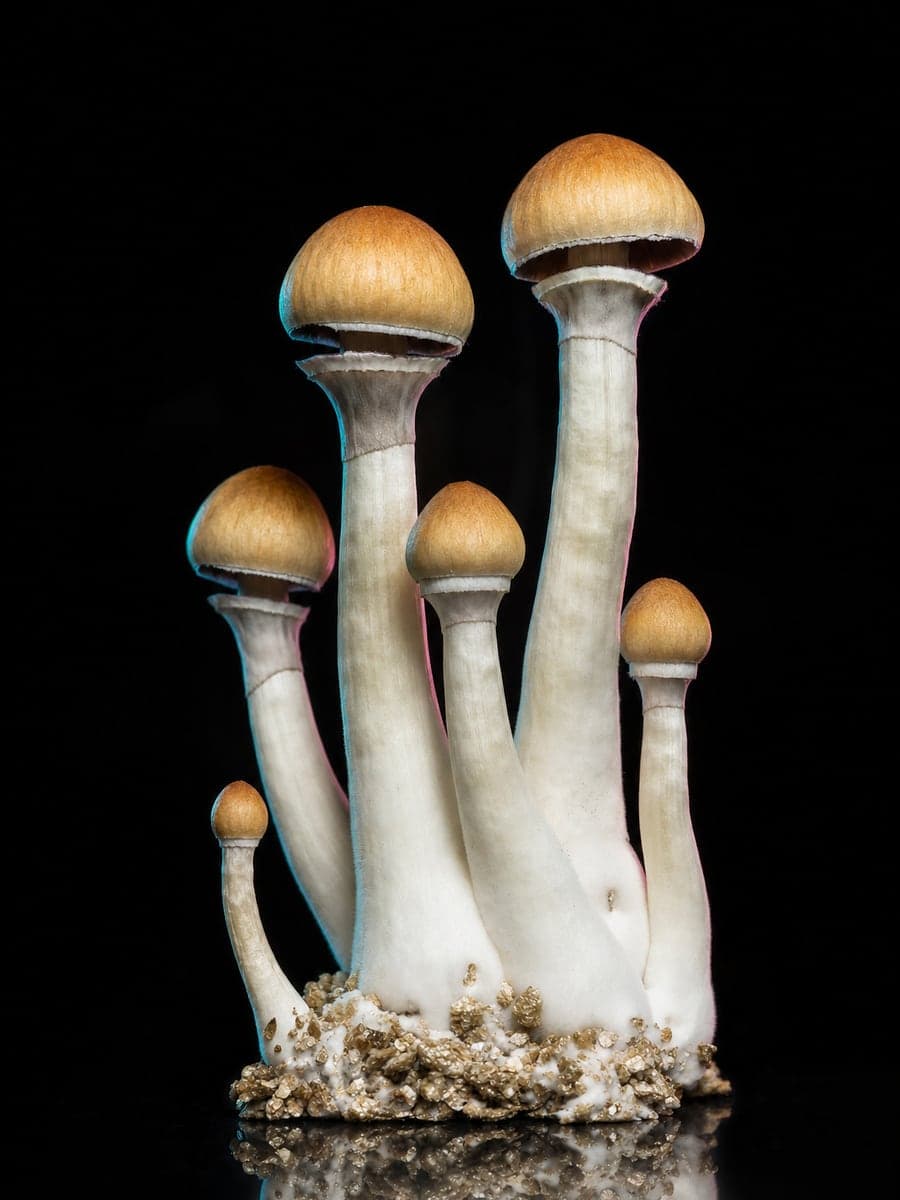
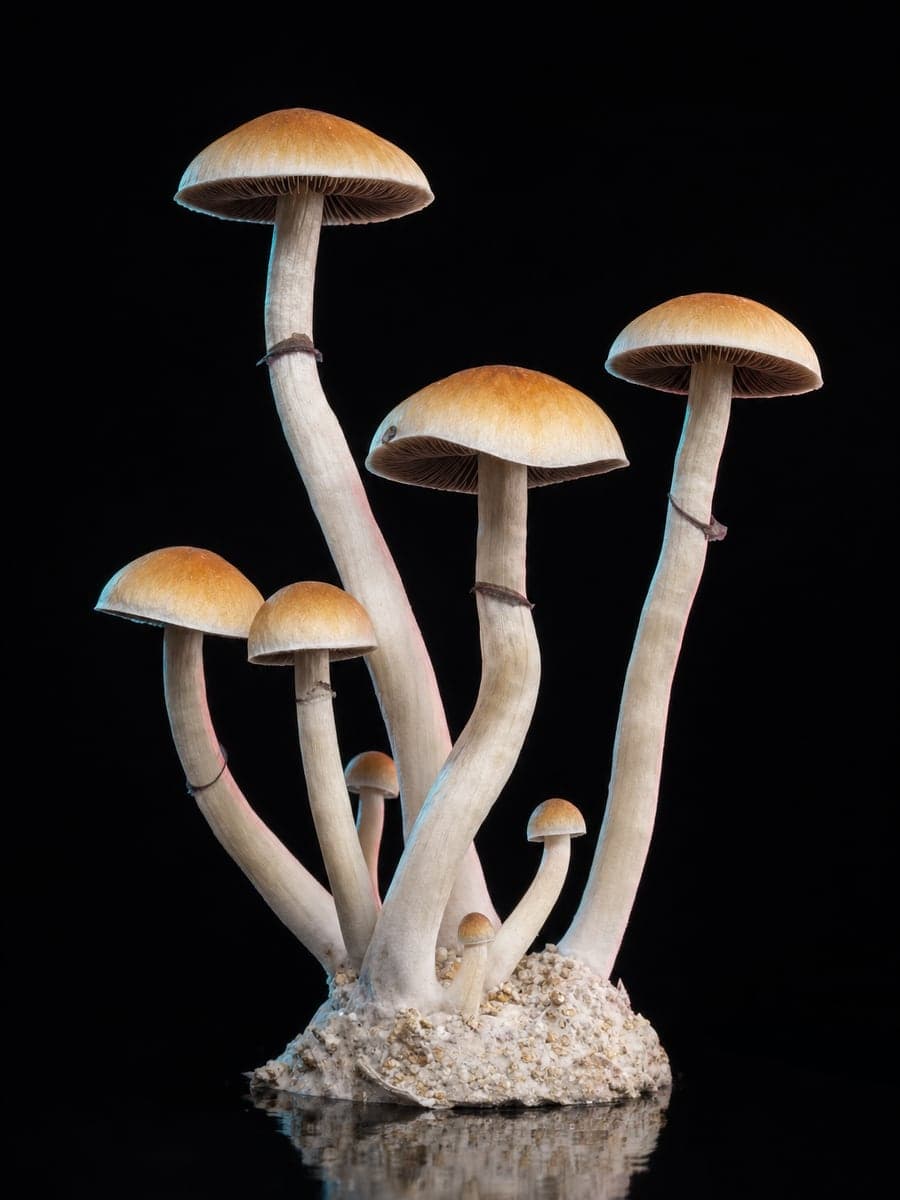
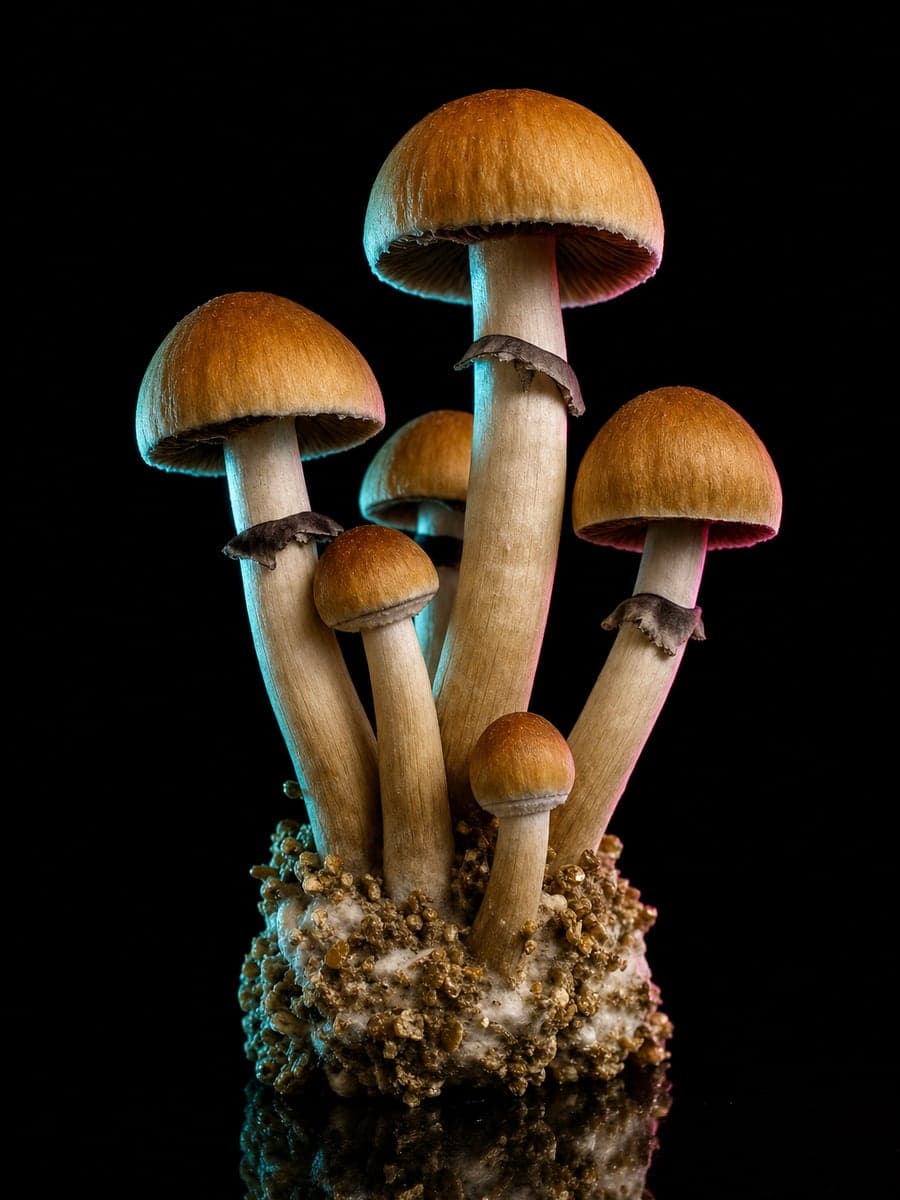
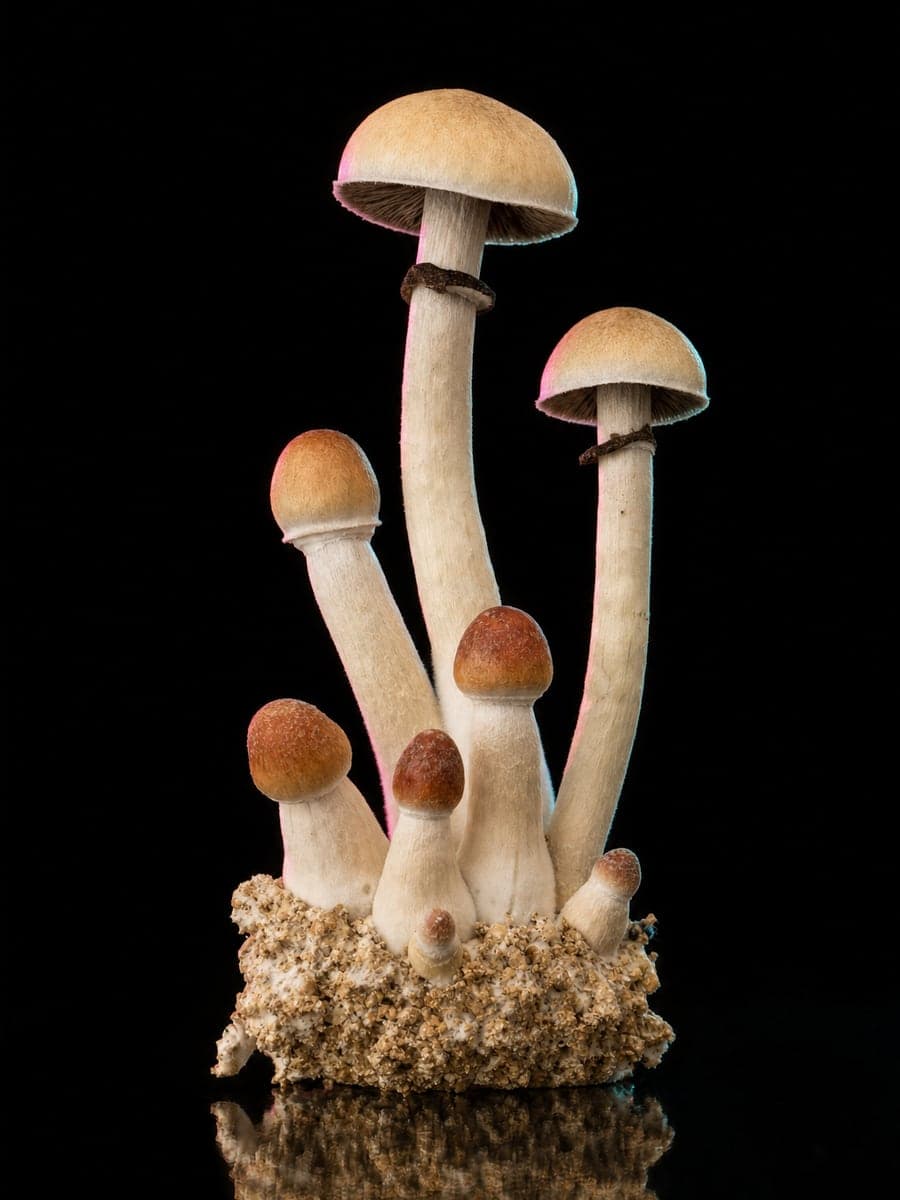
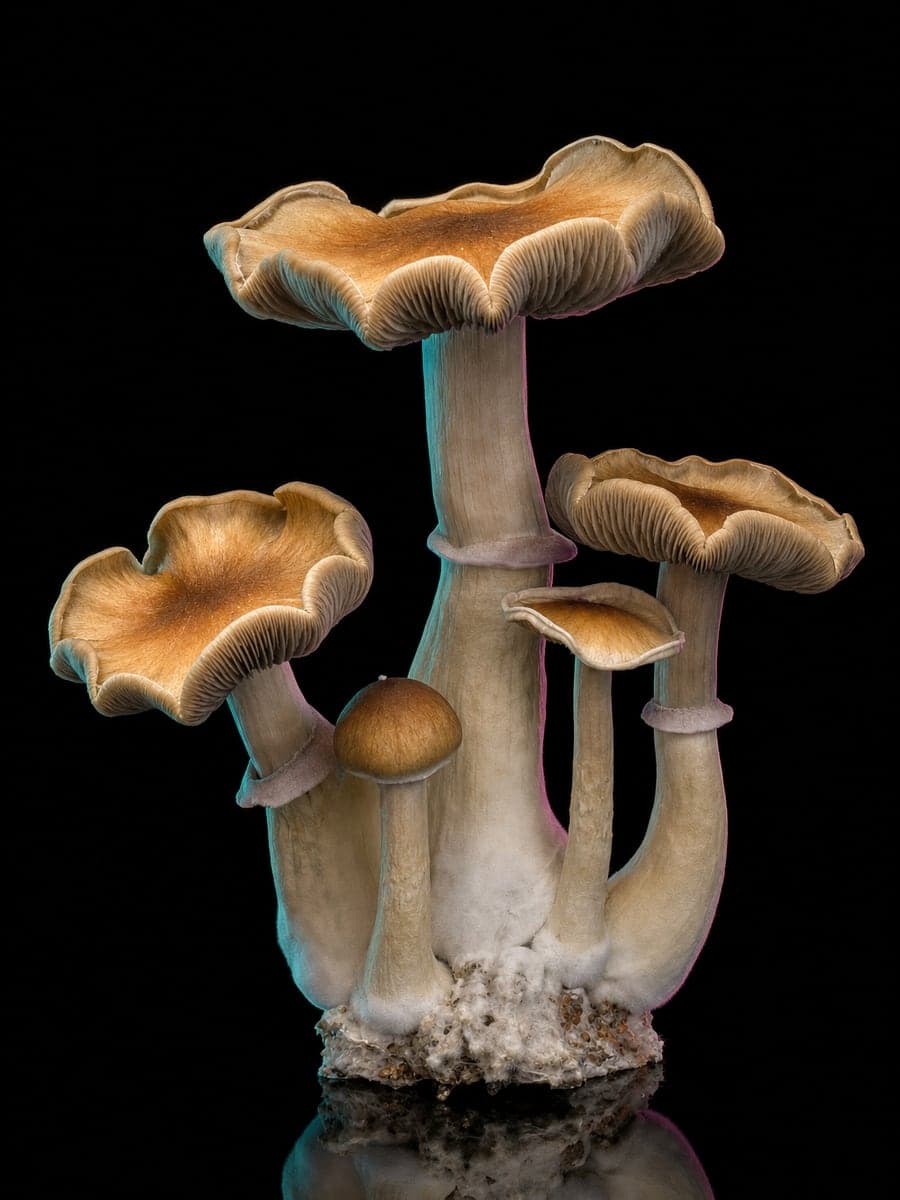
Wavy starburst caps from near the ruins of Palenque.
Inoculate The World says it was found near the Maya ruins of Palenque in the Chiapas jungle by Pekon Metsa in 2013, who passed it to Earth's Tongue for distribution.
Where Pakalensis comes from
Pakalensis is a wild Psilocybe cubensis collection that the vendor Inoculate The World says was found near the Maya ruins of Palenque, Chiapas, Mexico, in 2013 and first distributed by Earth's Tongue. It is named after Pakal the Great, Palenque's seventh-century king. Its caps open into wavy, upturned starbursts, and its spores are said to be rusty brown.
- Origin
- Near the Palenque ruins, Chiapas, Mexico (per Inoculate The World) · Collected 2013 (per Inoculate The World)
- Family
- Wild isolates · Americas · Rare
- Lineage
- How it relates to the older Palenque strain, from the same area, is not documented.
Inoculate The World says it was found near the Maya ruins of Palenque in the Chiapas jungle by Pekon Metsa in 2013, who passed it to Earth's Tongue for distribution.
Inoculate The World: Pakalensis (vendor page)The vendor says it was named after Pakal the Great, the seventh-century king of Palenque.
Inoculate The World: Pakalensis (vendor page)The vendor describes big fruits with golden-brown, almost starburst caps that curl up at the edges, solid white stems, and light, rusty brown spore deposits; its photos match.
Inoculate The World: Pakalensis (vendor page)
What it looks like
- Caps
- Large, golden-brown and darker at the centre, opening into wavy "starburst" shapes whose edges curl upward.
- Stems
- Solid, white and fairly thick.
- Notes
- Light spore deposits that the vendor describes as rusty brown rather than the usual purple-brown.
- Growing
- Sold as a beginner strain and described as fast and vigorous.
How it is described
Pakalensis has no documented reputation beyond its vendor calling it fast and vigorous; no lab test or trip-report consensus was found.
Based on: One vendor description; no lab data or trip reports found.
Pakalensis, asked and answered
Where does the Pakalensis strain come from?
Inoculate The World says it was collected near the Maya ruins of Palenque in Chiapas, Mexico, in 2013 and first distributed by Earth's Tongue.
Why is it called Pakalensis?
The vendor says it honours Pakal the Great, who ruled Palenque in the seventh century.
What does Pakalensis look like?
Large golden-brown caps that open into wavy starbursts with upturned edges, on solid white stems.
Is Pakalensis strong?
There is no lab test or established reputation for it.
The Shroomdex records history and reputation, not advice: how a strain is described is never a promise of how it will feel, and nothing here is medical advice. Strength varies from batch to batch. Start low and see our dose calculator. Never forage from a website: deadly look-alikes grow wild.