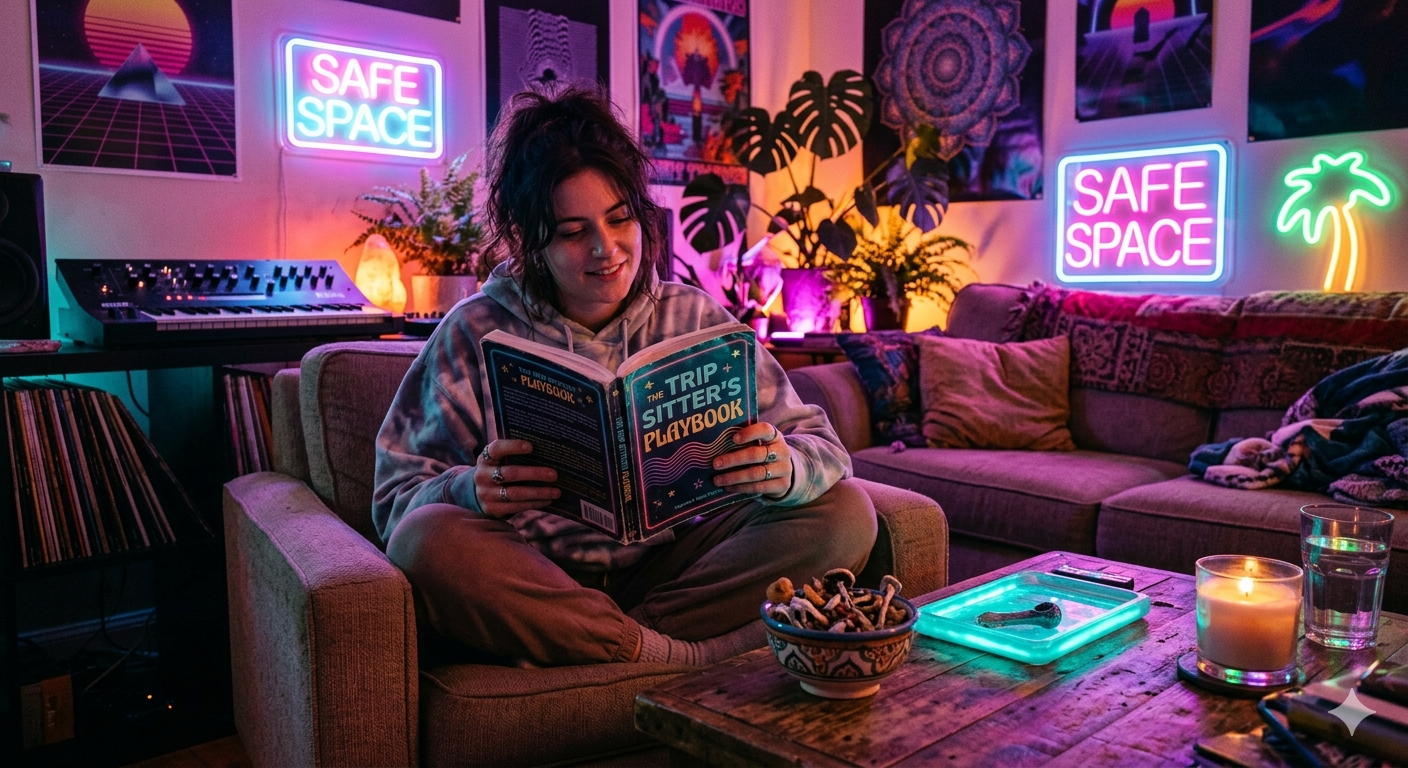
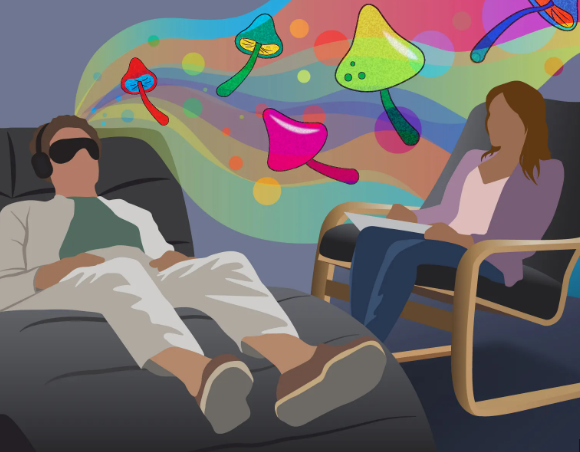
When a session gets intense, people rarely need a lecture. They need grounding techniques for a mushroom trip—simple, repeatable moves that bring attention back to the body, the room, and the present moment.
This guide shares 12 mid-trip grounding techniques you can use yourself or as a trip sitter: breath, touch, senses, environment resets, and language that helps without over-talking. Educational harm reduction only—not medical advice.
Disclaimer: Educational content only. If someone is in danger or medically unwell, seek emergency help.
What Grounding Means During a Mushroom Trip
Grounding is the practice of reconnecting attention to something stable—breath, feet, temperature, a familiar voice, a known object—when thoughts, emotions, or visuals feel overwhelming.
Psilocybin can amplify sensation, emotion, and meaning. That is often the point of a session. It can also make small worries feel huge. Mid-trip grounding is not about “killing the trip.” It is about giving the nervous system a quieter channel when intensity spikes.
Body: feet, breath, hands, temperature Senses: 5 things you see, textured object, soft music Environment: dim lights, quieter sound, one room change Language: short safety phrases, one question at a time
Frequently Asked Questions
What are the best grounding techniques for a mushroom trip?
The most reliable tend to be feet on the floor, long exhales, temperature and comfort resets, and reducing sensory load—then short reassurance from a sitter.
Should I try to stop the trip with grounding?
No. Grounding steadies attention; it does not “cancel” psilocybin. Expect intensity to continue while support improves manageability.
Do grounding techniques work for everyone?
No. Some people need silence; others need soft conversation. Offer options, don’t force one method.
Can music help grounding?
Yes—if it’s calm and controllable. Chaotic playlists can worsen anxiety. Have a “landing” playlist ready.
What if grounding isn’t enough?
Reduce stimulation further, keep a sober sitter present, and seek emergency help if safety is at risk.
The best grounding techniques for a mushroom trip are boring on purpose: feel your feet, lengthen the exhale, hold something soft, cool down or warm up, lower the lights, sip water, say a short safety phrase. Mid-trip, simplicity beats cleverness.
Prepare these tools before you need them—and remember that a calm sitter and a low-stimulation room are grounding techniques too.
The trip feels over. The room looks normal again. And yet—sleep after psilocybin does not always arrive on command.
Many people describe the same pattern: mentally wired for hours after the peak, then crashed the next day. This guide explains why sleep after mushrooms can be difficult, what the wired-then-crashed arc usually looks like, and practical ways to support rest without turning the landing into another battle.
Educational harm reduction only—not medical advice. If sleep disruption is severe or persistent, talk to a qualified clinician.
Disclaimer: Educational content only. Not medical advice.
The Wired-Then-Crashed Pattern: What People Mean
When users say they feel wired then crashed after psilocybin, they usually mean two phases:
Wired (same night): tired body, active mind—racing thoughts, emotional replay, light sensitivity, “tired but not sleepy”
Crashed (next day): heavy fatigue, brain fog, emotional tenderness, low motivation—even if the trip felt beautiful
That pattern is common enough to be worth planning for like you plan music or sitter support. Sleep is not a footnote to the session—it is part of recovery and integration.
Why Sleep After Psilocybin Is Hard (Even When the Trip Is “Over”)
1) Your nervous system may still be activated
Psilocybin experiences can involve hours of emotional and sensory intensity. Even when subjective effects fade, the body may still be in a heightened state—similar to how you can feel keyed up after a concert, argument, or intense workout, except the internal content is weirder and harder to “turn off.”
Clinical psychedelic research emphasizes preparation and supportive environments because acute experiences strongly affect post-session state (Johns Hopkins Center for Psychedelic Research).
2) The mind stays associative when you want sequential sleep
During the comedown and afterglow, many people report:
looping memories from the session
sudden insight bursts (“I should text everyone / fix my life tonight”)
heightened meaning attached to ordinary thoughts
That mental activation is one reason sleep after mushrooms gets delayed—not because you are still “tripping,” but because your brain has not downshifted into sleep mode.
3) Duration and timing push bedtime later
Many oral psilocybin sessions last roughly 4–6 hours of obvious effects for moderate doses, sometimes longer—especially with edibles or higher doses (How Long Do Shrooms Last?; pharmacokinetics: Hasler et al.).
If you dose at 8 p.m., “normal bedtime” may arrive before your mind feels done processing. You are trying to sleep during the integration window, not after it.
4) Physical leftovers: nausea, temperature swings, restlessness
Hour-by-Hour: Sleep After Psilocybin the Same Night
General map for a moderate evening session—not a rule for every body.
Hours 0–6: Active session
Sleep is usually unrealistic during peak and early comedown. Plan accordingly—don’t expect to “just go to bed” mid-arc.
Hours 6–10: The “wired” zone
Many people feel physically tired but mentally lit. This is where people doom-scroll, over-journal, or replay the trip audio-visually with eyes closed.
Goal: downshift stimulation, not solve your life.
Hours 10–14+: First sleep attempt
Some fall asleep here; others lie awake until early morning. Both happen. Fighting insomnia aggressively often prolongs it (Sleep Foundation on insomnia basics).
The Next-Day Crash: Why You Can Feel Wrecked After “Good Trips”
Sleep after psilocybin quality strongly shapes the next day. Even a positive session can leave you:
short on total sleep
short on deep sleep if you slept lightly or late
emotionally open and depleted at the same time
physically tired from hours of sympathetic arousal
That “crash” is not proof something went wrong. It is often the bill for a long nervous-system event plus poor sleep timing.
Neuroplasticity discussions sometimes highlight post-session windows for reflection—but brains still need sleep to consolidate (Psilocybin & Neuroplasticity; general sleep-memory literature: NIH Brain Basics: Sleep).
Practical Sleep Support After Psilocybin (Same Night)
These are gentle behavioral supports—not promises, not medical prescriptions.
Environment
dim lights 1–2 hours before attempting sleep
cool, quiet room; fan/hum if silence feels too loud
phone on do-not-disturb (not in hand)
remove harsh overhead LEDs
Body
small sips of water; light snack if hungry (toast, banana, broth)
warm shower or wash face/hands (ritual downshift)
gentle stretching—not intense exercise that reactivates you
Mind
Cap journaling (10–20 minutes, then stop—integration continues tomorrow)
avoid big life decisions at 2 a.m.
if thoughts loop, try slow exhale-focused breathing
accept awake rest if sleep will not come—fighting it often worsens it
What usually does not help same-night sleep
more psilocybin or cannabis to “knock you out”
alcohol as a sedative
large caffeine “because I’m tired tomorrow”
intense trip recap group chats
Can’t Sleep After Shrooms? Common Mistakes
Expecting instant sleep the minute visuals fade
Scheduling early morning obligations after an evening session
Using screens as a pacifier (blue light + content stimulation)
Treating afterglow insight as urgent homework due before dawn
Interpreting insomnia as “the trip ruined me” instead of a common landing effect
Dose, Format, and How They Change Sleep After Mushrooms
Higher doses
More intensity → longer processing → later sleep. High-dose timelines: 5 Grams Minute-by-Minute.
Moderate/beginner doses
Still can delay sleep via come-up anxiety and afterglow. See 1–2 Gram Timeline.
Edibles/chocolate
Delayed onset and longer tails can push the wired phase later into the night (Edible Dosing Math).
Lemon tek
Compressed timelines may end earlier—but intensity can still leave mental activation (Lemon Tek Guide).
LSD comparison (if relevant to your audience)
LSD often lasts longer than psilocybin; sleep disruption can extend further (LSD Hour-by-Hour Breakdown).
Microdosing and Sleep: A Different Conversation
Some microdosers report better mood/focus; others report insomnia or restless nights—especially if dosing late in the day or stacking too frequently. Spacing and morning timing matter. Read: Microdosing 101 and Tolerance.
Full-dose sleep issues and microdose sleep issues are related in name only—don’t assume the same fixes apply.
Sleep After Psilocybin and Safety: Driving, Work, Childcare
Poor sleep the first night can impair attention the next day even when you feel “mostly fine.” That matters for driving, work, and caregiving.
Conservative planning:
no same-day driving after an evening session
light schedule the day after if possible
treat grogginess as real impairment—not a character flaw
When Poor Sleep After Psilocybin Deserves Extra Attention
One rough night after a session is common. Consider professional support if you notice:
severe or persistent insomnia beyond a few nights
panic that does not settle with rest and support
ongoing perceptual disturbances (see also long-term effects discussions)
worsening mood that feels disconnected from ordinary recovery
This article cannot diagnose you. It can only normalize the common wired/crashed pattern and flag when “common” may not fit.
72-Hour Sleep Recovery Plan (Simple)
Night 0 (session night): low light, hydration, short journal, no substance stacking, accept delayed sleep Day 1: wake time as normal as possible, sunlight walk, nap optional but short, no late caffeine Day 2: regular meals, gentle movement, resume routines slowly Day 3: assess sleep trend; integration actions, not more psychedelics
Yes for many people. Mental activation during comedown/afterglow is a frequent report, even when visuals are gone.
How long until I can sleep after mushrooms?
Highly variable. Some sleep within hours of comedown; others lie awake until morning—especially after late sessions, edibles, or redosing.
Why do I feel depressed or flat the day after?
Sleep debt, emotional processing, and nervous system fatigue can all contribute. It does not always mean the trip was “bad.”
Will melatonin or sleep aids help?
Some people use OTC aids; interactions and next-day grogginess vary. We are not recommending specific products—ask a clinician if you use medications or have health conditions.
Does cannabis help sleep after psilocybin?
Sometimes people fall asleep; other times cannabis adds anxiety or fog. It is an unpredictable add-on (Cannabis + Psilocybin).
Can a trip sitter help with post-session sleep?
Yes—by reducing stimulation, offering water/blanket, keeping the space calm, and avoiding long intense debriefs late at night (Trip Sitter Playbook).
The Bottom Line
Sleep after psilocybin often follows a wired-then-crashed rhythm: an activated mind when your body wants rest, then next-day fatigue when life still expects you to function. Plan for it like part of the session—protect the landing, keep stimulation low, avoid substance stacking, and give yourself a gentle day after.
Rest is not the opposite of integration. It is how integration actually sticks.
The trip ends. Then psilocybin integration begins—and for many people, the first three days matter more than they expect.
This psychedelic integration guide covers the first 72 hours after psilocybin: what integration means, why the post-session window gets so much attention in research and therapy settings, and practical steps for sleep, journaling, movement, relationships, and turning insights into grounded action—without treating a profound experience like a productivity hack.
Educational harm reduction only. Not medical or therapeutic advice. If you are in crisis, seek qualified help.
Disclaimer: Educational content only. Not medical advice.
What Is Psilocybin Integration?
Psilocybin integration is the process of making sense of a psychedelic experience and deciding—slowly—what (if anything) should change in daily life.
It is not:
forcing every insight to become a life overhaul
posting your entire trip on social media while emotionally raw
treating the experience like a fortune cookie you must obey
It is:
stabilizing your body and nervous system after the session
capturing memories before they fade or mythologize
separating meaningful signals from noise
choosing small, realistic next steps
Clinical psychedelic research programs emphasize preparation and follow-up support because the session itself is only one phase. Institutions like the Johns Hopkins Center for Psychedelic Research and the Imperial College Psychedelic Research Centre routinely pair psychedelic sessions with structured before-and-after care—not because the molecule “fails” without it, but because context shapes outcomes.
Why the First 72 Hours Get So Much Attention
People talk about a post-psilocybin “window” for two overlapping reasons: subjective openness and neurobiological plasticity.
1) You are still metabolically and emotionally landing
Even when obvious effects fade, many report an afterglow: emotional sensitivity, clarity, tenderness, or fatigue. Sleep may be uneven. Appetite and focus can feel off. Integration in the first 72 hours starts with recovery—not interpretation marathons.
2) The brain may be more “writable” after psychedelic experiences
Research on psilocybin and neuroplasticity suggests psychedelic experiences can coincide with periods of heightened neural flexibility (our neuroplasticity guide; see also review literature on serotonergic psychedelics and plasticity, e.g. Ly et al., Cell Reports).
That does not mean you must “optimize” the window like a biohacker. It means what you repeat—sleep, rumination, supportive conversation, gentle habits—may matter more right now than usual.
3) Memory distortions start quickly
Trips are vivid in the moment and slippery afterward. Without light documentation, people often rewrite the story within days—sometimes toward glory, sometimes toward shame. Early integration captures texture while it is still accessible.
Psilocybin Integration Hour 0–24: Stabilize First
The first day is mostly landing, not life planning.
Immediate post-session (first 2–6 hours)
Hydrate and eat simply if appetite returns (avoid heavy/greasy food if nauseous)
Short debrief only if helpful—avoid forced deep analysis at 2 a.m.
If a sitter was present, a brief check-in helps: “Anything you need? Water? Quiet?” Long philosophical debriefs can wait. Sitter guide: How to Be a Good Trip Sitter.
Same evening: sleep is part of integration
Many people sleep poorly the first night even when the trip feels “over.” That is common and can affect mood the next day. Prioritize:
Day two is often when people feel emotionally open and physically tired. This is a sweet spot for gentle integration—not major life decisions.
Morning: nervous system first
Slow breakfast, hydration, short walk if tolerated
Delay intense social obligations if you feel raw
Light movement (walking, stretching) often beats aggressive workouts if you feel depleted
Midday: sort insights into three buckets
Use this filter to avoid integration whiplash:
Immediate care (sleep, boundaries, apologizing for real harm, medical follow-up if needed)
Experiments (try journaling daily for a week; one difficult conversation; one creative session)
Poetry (beautiful trip metaphors with no clear action—honor them, don’t obey them)
If an insight demands irreversible action (quitting job, ending relationship, moving cities), treat it as Day 7+ material, not Day 2 material—unless safety is involved.
Conversation: choose the right humans
One trusted person beats five casual listeners. Avoid people who will:
mock the experience
immediately diagnose you
push you to trip again quickly
treat every insight as gospel
Integration circles and therapists exist in many cities; psychedelic-informed therapy is an evolving field. If you work with a clinician, choose someone qualified—this blog cannot replace that relationship.
Afternoon/evening: nature and simplicity
Time outdoors (even 20 minutes) helps many people re-anchor in ordinary reality without numbing the afterglow. Pair with low-demand activities: shower, tidy one room, cook one simple meal.
Psilocybin Integration Hour 48–72: Turn Signals Into Small Actions
By day three, many people feel closer to baseline—but integration should continue at a smaller scale.
Write a “one-page integration plan”
Keep it embarrassingly small:
One behavior to start (e.g., 10-minute walk after work)
One behavior to stop (e.g., doomscrolling before bed)
One relationship repair or boundary (if clearly needed)
One follow-up date (journal check-in 7 days out)
Small plans survive contact with real life. Grand manifestos usually don’t.
Test insights, don’t marry them
Ask:
Does this insight still feel true when I’m rested?
Does it improve my relationships and responsibilities?
Would a calm friend say this is wise—or reactive?
Research on challenging psychedelic experiences shows difficulty and meaning often coexist over time (Carbonaro et al., Journal of Psychopharmacology). Integration includes making room for complexity—not forcing positivity.
Avoid the “instant re-trip” impulse
Afterglow can romanticize rapid re-dosing. Tolerance, emotional processing, and safety all argue for spacing sessions. Read: Psilocybin Tolerance.
Integration Practices That Actually Hold Up (First 72 Hours)
Journaling (brief, repeated)
Five minutes daily beats one heroic 3-hour entry. Track mood, sleep, and one sentence of meaning.
Movement without punishment
Walks, yoga, stretching—especially if the trip was physically draining. Integration is not a boot camp.
Music and art (containment, not re-triggering)
Revisit music from the session if it felt supportive; skip tracks linked to panic unless you have support present.
Digital hygiene
Delay public posting, hot takes, and DM confessions. The trip can feel urgent; integration benefits from privacy first.
Body care
Hydration, regular meals, magnesium-rich foods if that’s your norm, sunlight, consistent wake time. GI recovery tips: Nausea, Ginger, Tea & Food Timing.
Difficult Experiences Need Integration Too
If the session included fear, confusion, or shame, integration is not “finding the silver lining.” It is:
If symptoms feel persistent, disproportionate, or frightening after the session, talk to a qualified clinician. This guide is not a substitute for care.
What Not to Do During Psilocybin Integration (First 72 Hours)
Major irreversible decisions (career, relationships, relocations) unless safety demands immediacy
Convincing others they should trip
Interpreting every emotion as cosmic truth
Ignoring sleep, food, and hydration while chasing “enlightenment productivity”
Stacking substances to “fix” the afterglow
Driving or working impaired because you “feel mostly fine”
Microdosing After a Macrodose: Slow Down
Some people jump from a full session into microdosing within days. That can blur your ability to tell what is baseline, afterglow, or pharmacological effect. If you microdose, consider a pause and clean observation first. Basics: Microdosing 101.
If you take psychiatric medications, do not change them based on a trip insight—discuss with your prescriber. Context: Psilocybin + SSRIs/SNRIs.
Day 1: rest, hydrate, simple food, low stimulation, short journal, no driving, gentle debrief Day 2: walk/move, sort insights (care / experiments / poetry), one trusted conversation, nature Day 3: one-page mini plan, schedule 7-day check-in, avoid re-dosing, return to routines slowly
Frequently Asked Questions
What is psilocybin integration in simple terms?
It is the process of recovering from the session and deciding what insights deserve action in everyday life—without rushing or forcing meaning.
Why focus on the first 72 hours?
Many people are still in afterglow, sleep-deprived, emotionally open, and rewriting memories. Early integration stabilizes the body and captures useful detail before stories distort.
Do I need a therapist for integration?
Not always—but support helps, especially after difficult experiences. A trusted friend, journal, and slow pacing can be enough for some; others benefit from qualified professional help.
Should I trip again soon if the session was beautiful?
Most harm-reduction-oriented approaches suggest spacing full sessions and letting tolerance reset. Afterglow is not a green light to repeat immediately.
What if I feel sad on day 2?
Emotional openness and fatigue can mimic sadness or flatness. Prioritize sleep, food, gentle movement, and connection. Seek professional help if mood feels severe or persistent.
How is integration different from the trip itself?
The trip is acute experience; integration is application. One is chemistry and context; the other is behavior, relationships, and time.
Can I work normally during the first 72 hours?
Some people can; many prefer lighter schedules. If focus, emotion, or sleep is off, treat recovery as part of the process—not a failure.
The Bottom Line
Psilocybin integration is not a vibe—it is aftercare. The first 72 hours reward boring basics: sleep, food, hydration, gentle movement, short journaling, trusted conversation, and tiny action steps. That is how many people turn a powerful session into something that actually lasts.
If you have ever said that during a psilocybin session, you are in very crowded company. Redosing shrooms too soon is one of the most common ways people accidentally turn a manageable experience into an overwhelming one—especially with edibles, chocolate, and whole dried mushrooms on a full stomach.
This guide explains why redosing mushrooms too early backfires, how delayed onset tricks your brain, what “stacked peaks” feel like, and what to do instead while you wait. Educational harm reduction only—not dosing advice.
Disclaimer: Educational content only. Not medical advice. Never drive impaired.
Why Redosing Shrooms Too Soon Is the #1 Mistake
Psilocybin sessions have a built-in patience tax: onset delay. Effects rarely match wall-clock expectations—especially with food, tea variations, lemon tek, or edibles. When the come-up feels slow, impatience becomes the real drug.
Redosing shrooms too soon usually means:
taking more because you think dose one failed
adding edibles when dried mushrooms are still absorbing
stacking formats (tea + chocolate + caps) in one hour
The result is not a smooth “double dose.” It is often a delayed collision—dose one arrives while dose two is still climbing.
The Psychology: “Nothing Is Happening” Is Often Wrong
Before effects are obvious, a lot is already happening pharmacologically. Oral psilocybin is converted to psilocin in the body; psilocin levels rise after a lag phase that varies by person and context (Hasler et al., Journal of Clinical Psychopharmacology).
During that quiet window, people commonly feel:
anticipation anxiety (“did I take enough?”)
normal-room impatience
mild stomach signals mistaken for “not working”
placebo/nocebo loops from reading trip reports online
Redosing during this window is like sending a second train before you know where the first one stopped.
Whole-Mushroom Redosing: Why Dried Caps & Stems Trick You
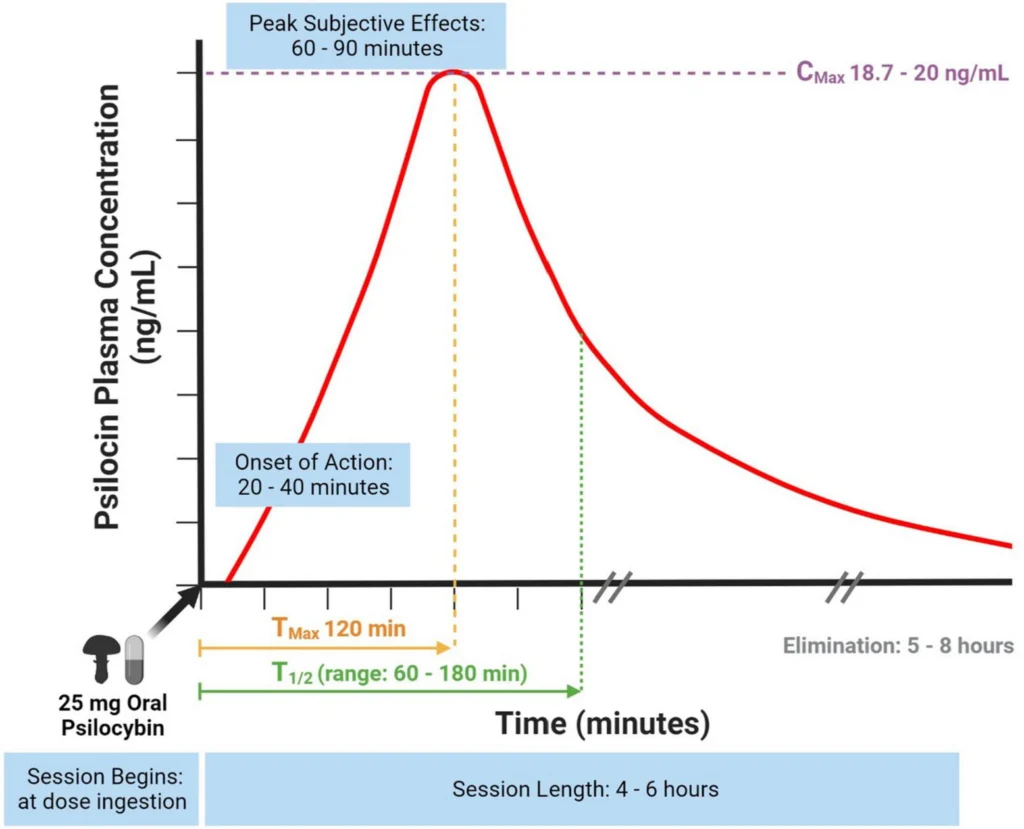
With whole dried mushrooms, onset often lands roughly in the 20–60 minute range for many users—sometimes later with a recent meal or low sensitivity that day. See beginner timing: 1–2 Gram Shroom Timeline.
Common whole-mushroom redose scenarios
45 minutes in: “I feel a little weird but not tripping”—take more → both doses peak together
GI delay: stomach contents slow absorption; you redose at minute 60; minute 90 becomes intense
Format stacking: eat mushrooms, then drink tea 30 minutes later “to help it along”
Why whole mushrooms feel slower than people expect
anxiety can mask early signals until they suddenly feel “all at once”
Harm-reduction default: if you are new or using an unfamiliar batch, treat the first 90 minutes as a no-redose zone unless you are working with a deliberate, pre-planned protocol—and even then, stacking full doses same-day is rarely wise.
Edible Redosing: The Most Expensive Mistake
Redosing shrooms too soon hurts most with psilocybin edibles—chocolates, gummies, drink mixes—because edibles add another delay layer on top of psilocybin’s normal lag.
homogeneity issues: uneven distribution means one piece ≠ another (Edible Dosing Math)
full stomach + edible = longer “dead zone” where impatience wins
people compare edible timing to smoked cannabis edibles lore (“30 min”) and get burned
The classic edible failure loop
Minute 0: eat one square / one gummy
Minute 45: “Nothing.” eat another
Minute 75: “Still nothing.” eat a third
Minute 105: all three curves collide
This is the single most repeated story in edible harm-reduction forums—and it is almost always a timing mistake, not a “bad batch.”
Label math does not save you from redosing
Even perfect division on paper fails if you redose before the first portion expresses. Edible labels describe intent, not your stomach’s schedule.
Lemon Tek, Tea, and Format Changes Mid-Session
Some people redose by switching formats instead of taking more of the same thing:
ate dried mushrooms → lemon tek 40 minutes later
ate chocolate → shroom tea 30 minutes later
micro sip of tea “just to boost it”
Lemon tek often compresses onset and can feel sharper—not gentler (Lemon Tek Guide). Tea may come on faster than chewing whole material (Benefits of Shroom Tea).
Switching formats mid-session is still redosing mushrooms too early if the first route has not fully declared itself.
What a Stacked Peak Feels Like (and Why It Scares People)
When two doses collide, people often report:
sudden intensity jump (“it went from 0 to 100”)
time distortion and panic about duration
strong nausea or body load
feeling trapped because they “can’t undo” the second dose
difficulty communicating with a sitter
Clinical dose-response research shows psilocybin effects can scale non-linearly—moderate increases may produce disproportionate subjective intensity for some individuals (Johnson et al., Journal of Psychopharmacology). Redosing turns that non-linearity into a surprise.
Difficult does not always mean dangerous—but it raises the value of preparation, sitters, and calm environments: Trip Sitter Playbook.
How Long Should You Wait? Practical Waiting Framework
There is no universal “safe redose hour” that works for everyone. Instead, use route-specific patience windows as planning defaults—not guarantees.
Whole dried mushrooms (chewed/eaten)
Minimum wait before even considering more: often 90–120 minutes from first ingestion
Why: many come-ups are still climbing at 60 minutes, especially with food
Better rule than math: pick one dose and one format before you start. Let the session answer the question. The urge to redose is usually anxiety about uncertainty—not accurate pharmacology.
Redosing vs Tolerance: Different Problems
People sometimes redose because a recent session felt weak. That may be tolerance, not bad product. Psilocybin tolerance builds quickly; redosing same-day often adds intensity without adding clarity (Psilocybin Tolerance).
Trying to “break through” tolerance by stacking doses same-day is a common path to messy experiences—and it does not reset tolerance safely.
SSRIs/SNRIs can also change intensity; do not escalate doses to compensate (Psilocybin + SSRIs/SNRIs).
What to Do Instead of Redosing Shrooms Too Soon
Before the session (prevention)
choose one dose, one format
write the dose and time on paper (phone notes get weird later)
Sitter Playbook: How to Handle “Should I Take More?”
Sitters hear this constantly. Useful responses:
“What time did you take the first dose?”
“Let’s wait until [agreed time] before we even discuss more.”
“Your job now is to breathe and let it arrive.”
“More substance won’t undo anxiety—it usually multiplies it.”
Do not debate metaphysics. Do not fetch “just a little more” because they sound confident. Confidence during onset is not reliability.
When People Still Redose Anyway: Landing Support
If stacked intensity hits:
reduce stimulation (lights, music, crowd)
one calm sitter voice, short sentences
water in sips; bucket nearby if nauseous
no cannabis/alcohol “to ride it out”
remember duration is finite—even stacked peaks end
Afterward, integration matters: what triggered the redose? impatience, edible format, mixed substances, sleep debt? Psilocybin Integration: First 72 Hours.
Frequently Asked Questions
Is redosing shrooms too soon dangerous?
It can turn a moderate session into an overwhelming one—raising panic, nausea, and sitter burden. Severe outcomes are uncommon at typical doses, but “safe enough” is not the same as “wise.”
How long should I wait before redosing mushroom edibles?
Many edible users need 2–3+ hours before the first portion fully shows itself—sometimes longer with food. Patience beats guessing.
What if I genuinely took too little?
Still wait through the route’s typical onset window. If you chronically underdose, adjust next session’s planned dose—not this one mid-climb.
Does lemon tek mean I can redose sooner?
Usually the opposite: lemon tek hits faster and harder. Stacking on top is a common mistake.
Can I redose the next day?
Tolerance often makes next-day repeats disappointing and can push people toward escalating behavior. Spacing days/weeks is the usual harm-reduction norm.
Why did my friend redose fine but I didn’t?
Metabolism, food, format, batch variance, set/setting, and co-used substances all differ. Anecdotes are not schedules.
The Bottom Line
Redosing shrooms too soon is the #1 way people turn “I thought it was a light night” into “I can’t believe I did that.” Edibles amplify the mistake because delay feels like failure. Whole mushrooms amplify it because come-up sneaks in quietly until it doesn’t.
Pick one dose. Write down the time. Wait through the dead zone. Let the first train arrive before you send another.
Most trip guides talk about music, setting, and mind-set. Few talk about the kitchen—and on a long session, mushroom trip food prep can quietly decide whether you feel grounded or miserable.
This guide covers easy food for long psychedelic sessions: what to eat before psilocybin, what to prep in advance, gentle snacks for the landing phase, hydration basics, and sitter-friendly ideas that avoid strong smells, heavy grease, and mid-peak cooking chaos. Educational harm reduction only—not dosing or medical advice.
Disclaimer: Educational content only. Not medical advice.
Why Mushroom Trip Food Prep Matters on Long Sessions
A “long session” usually means you have blocked out 6–8+ hours for effects plus landing time—typical for many full-dose psilocybin experiences (How Long Do Shrooms Last?).
During that window, your body still needs:
Stable blood sugar (crashes can feel like anxiety)
Hydration (dehydration worsens headache and nausea)
Low-effort calories during comedown when cooking feels impossible
Minimal GI irritation (chitin and come-up sensitivity already stress some stomachs)
Research on psilocybin often controls set/setting carefully in clinical environments; while food is not the main variable studied, general nutrition guidance for GI comfort emphasizes simple, familiar foods during stress and recovery periods (Harvard Health on gentle foods for stomach upset). For psilocybin specifically, community harm-reduction practice consistently recommends planning food like you plan music—before the session starts.
What to Eat Before Shrooms (Timing Without Overthinking)
The most searched question in this cluster is what to eat before shrooms. There is no universal rule, but patterns are clear:
Light snack 1–3 hours before (common sweet spot)
Examples people tolerate well:
toast or plain crackers
banana or applesauce
oatmeal (small portion, not heavy)
rice or plain pasta (small)
yogurt (if dairy usually agrees with you)
Why: not fully empty stomach (can reduce harsh GI feel for some), not fully full (can delay onset and increase bloating).
Why smell matters: psychedelic come-ups often increase sensory sensitivity; kitchen odors can trigger nausea or unease in some people. Clinical psychedelic settings typically minimize environmental disruption for similar reasons (Imperial College Psychedelic Research Centre).
If someone asks for food during peak
Default to nothing or very little unless blood sugar is clearly a concern. Small sips of water beat big meals.
Easy Foods for the Landing Phase (Comedown & Afterglow)
Most mushroom trip food prep pays off here—when appetite returns but energy is low.
Best comedown foods (gentle, familiar, low odor)
Bone/veggie broth or miso soup (warm, soothing, easy sip)
Toast with honey or jam
Banana, applesauce, soft fruit
Plain rice or congee
Scrambled eggs (if tolerated; mild protein)
Instant oatmeal (small bowl)
Crackers + mild cheese or hummus (small portions)
Smoothies (simple: banana, oat milk, no weird powders you’ve never used)
Foods many people regret during landing
pizza/grease bombs
heavy dairy if lactose-sensitive
super sugary candy dumps (crash later)
experimental “health” supplements mid-landing
Hydration: The Most Forgotten Part of Food Prep
Water is part of food for mushroom trip planning—not an afterthought.
Before and during
steady sips across the day, not chugging liters at once
room-temperature water often feels gentler than ice-cold during nausea
electrolytes if you sweated, cried hard, or ate little
Helpful drinks (low drama)
water
ginger or chamomile tea
diluted coconut water (if you like the taste)
clear broth
Usually skip
alcohol
energy drinks
large coffee doses if anxious
carbonated soda if bloated
General hydration guidance for wellness contexts emphasizes consistent intake over binge drinking fluids (Mayo Clinic: water and health).
Sample Mushroom Trip Food Prep Menu (One Long Session)
Adjust for dietary needs. Keep everything boring and familiar.
2–3 hours before session
Small bowl oatmeal + banana, or toast + jam.
Pre-prepped and waiting on a tray
Cut fruit, crackers, broth in thermos, ginger tea, two water bottles.
Hours 0–4 (during effects)
Water sips only for most; ginger tea if nauseous. No cooking.
Hours 4–8 (landing)
Warm broth + toast, or rice bowl with mild sauce on the side.
For 2–4 people, think individual portions so nobody argues over dishes mid-landing.
pre-portioned snack boxes per person
labeled water bottles
one neutral soup base + add-ins on the side
agree in advance: no cooking during peak
one sober sitter handles kitchen if anyone eats
Hosting norms overlap with sitter prep: keep the space predictable, not gourmet.
Vegetarian, Vegan, and Sensitive-Stomach Options
Vegetarian/vegan easy prep
miso or vegetable broth
hummus + soft pita
rice + steamed veg (pre-cooked)
banana + nut butter (small amount)
smoothies with familiar ingredients only
Gluten-free / low-FODMAP note
Use the bland foods you already know you tolerate. A trip day is not the time to test new ingredients. FODMAP-sensitive people often do better with rice, bananas, broth, and simple starches during GI stress (Monash University FODMAP blog on gentle eating when unwell).
Sitter Script: Offering Food Without Pressure
Sitters should offer once, calmly—no parental nagging.
“There’s water and toast ready if you want it later.”
“No rush—food is here whenever.”
If refused: accept it and revisit in 30–60 minutes.
Forced eating can increase distress during sensitive phases.
Frequently Asked Questions
Should I fast before a mushroom trip?
Some people prefer an empty stomach for faster onset; others get more nausea. A light bland snack 1–3 hours prior is a common compromise.
Usually small sips are better than meals. If someone is shaky or faint, a small simple carb may help—avoid heavy food.
Does food prep matter if I drink shroom tea?
Yes. Tea may reduce fibrous load, but hydration and landing meals still matter for long sessions.
Is fruit good during a psilocybin session?
Often yes during landing—easy energy, mild taste. During peak, smell and texture sensitivity can make fruit unappealing for some.
What should a trip sitter prepare?
Water, ginger tea option, one bland snack, broth or toast ready, minimal kitchen smells, no pressure to eat.
The Bottom Line
Smart mushroom trip food prep is boring on purpose: light pre-session food, pre-cut landing snacks, steady hydration, and no heroic cooking during peak hours. The best food for mushroom trip days is whatever your body already trusts—planned ahead so the session stays about the experience, not the kitchen.
If you are new to psilocybin, the most useful thing you can have is a realistic map. This 1 gram mushroom trip timeline walks through what many beginners report—minute by minute—from first ingestion through come-up, peak, and landing. We also show how a 2 gram shroom trip often differs in intensity, duration, and emotional tone.
This is a beginner mushroom trip timeline for education and harm reduction. It is not dosing advice. Individual responses vary by body, format (tea, dried, edibles), set, setting, and tolerance. Never drive impaired. If you have health or medication questions, consult a qualified professional.
Disclaimer: Educational content only. Not medical advice.
Before the 1–2 Gram Psilocybin Timeline: What This Dose Range Usually Means
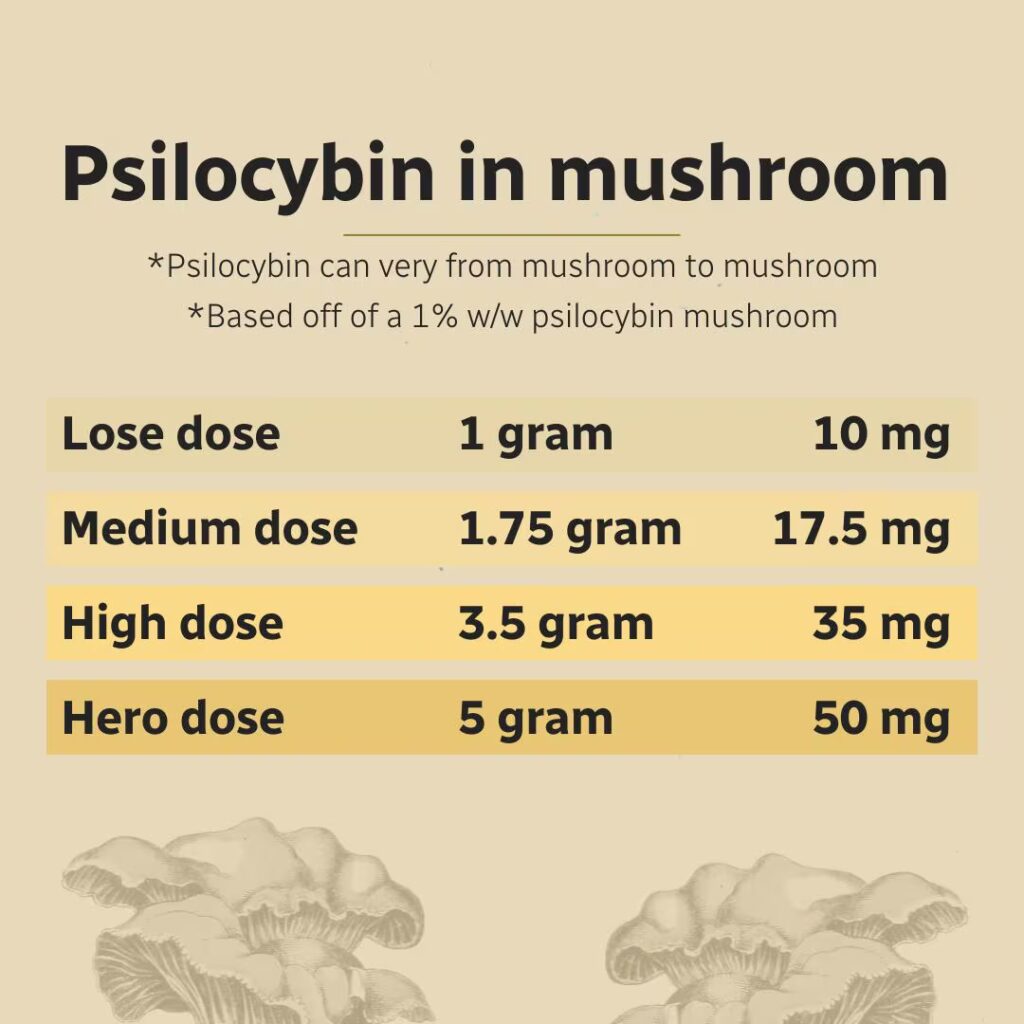
Most discussion online uses dried Psilocybe cubensis as the reference point. In that context, 1–2 grams is often described as a beginner-friendly to moderate range—not a microdose, and not a heroic dose.
Research and pharmacology reviews note that psilocybin is converted to psilocin in the body and that subjective effects depend strongly on dose and context. A foundational pharmacokinetic study in humans found psilocin levels rising after oral psilocybin ingestion with individual variation in timing and intensity (Hasler et al., Journal of Clinical Psychopharmacology).
So treat any 1-2 gram psilocybin timeline as a pattern map, not a guarantee.
Format changes the clock
Dried whole mushrooms: common reference for timelines below
Assumption: ~1 g dried cubensis, oral ingestion, moderate set/setting. Empty vs fed stomach shifts timing by 15–45+ minutes.
Minutes 0–20: Ingestion and the “quiet phase”
What you may feel: little to nothing psychedelic yet; maybe stomach awareness, anticipation, slight restlessness.
What’s happening: psilocybin is being absorbed and converted toward psilocin. Clinical pharmacology work shows psilocin appearance in blood after oral dosing with a lag phase—this is why the first 20 minutes often feel normal (Hasler et al.).
Beginner tip: do not re-dose here. Impatience is a common cause of accidentally taking too much.
Minutes 20–45: First signals
What you may feel: “something is different”—mild mood lift, giggles, sensory sharpening, yawning, light nausea for some.
What’s happening: serotonergic effects begin via psilocin’s activity (especially 5-HT2A receptor signaling—see psilocybin pharmacology overview).
Beginner tip: if nausea appears, sip water; reduce smells; consider ginger tea strategies from our nausea + ginger/tea guide.
Minutes 45–90: Come-up (the transition window)
What you may feel at ~1 g: colors slightly richer, music more emotional, light visual drift (breathing walls, enhanced textures), introspection increasing.
What’s happening: this is the steepest part of the 1 gram mushroom trip timeline for many people—the shift from baseline to altered state.
Beginner tip: stay in your planned space. This is when a sober sitter matters most (Trip Sitter Playbook).
Minutes 90–150 (~1.5–2.5 hours): Early peak zone for 1 g
What you may feel: warm emotional openness, enhanced beauty in ordinary objects, conversational depth, mild time distortion.
What’s happening: subjective intensity plateaus for many low-moderate doses before declining gradually. Modern clinical programs at institutions like Johns Hopkins Center for Psychedelic Research emphasize how much environment and support shape outcomes—even at non-heroic doses.
Beginner tip: if anxiety flickers, change one variable: lower lights, softer music, slower breathing—not more substance.
Minutes 150–240 (~2.5–4 hours): Gentle descent at 1 g
What you may feel: effects soften; you can usually follow conversations; visuals fade; hunger may return.
What’s happening: the tail of the experience. Many people still feel “open” or tender emotionally—this can be a good journaling window.
Minutes 240–360+ (~4–6 hours): Near-baseline for many at 1 g
What you may feel: mostly normal cognition with a light afterglow; tiredness; emotional sensitivity.
2 Gram Shroom Trip Timeline: How It Differs From 1 Gram
A 2 gram shroom trip is not simply “twice” a 1 g trip. It often changes the shape of the curve: sharper come-up, longer peak, more visual/emotional intensity, and less ability to “act normal” during the middle.
Clinical dose-response work shows psilocybin effects scale non-linearly with dose—moderate increases can produce disproportionate changes in intensity for some participants (Johnson et al., Journal of Psychopharmacology).
Minutes 0–30 at ~2 g: faster “this is happening” energy
Come-up can feel more obvious than 1 g: stronger body sensations, more visual movement, greater emotional amplification.
Minutes 30–90: steeper climb
Many beginners report this window as the most destabilizing at 2 g—especially in overstimulating rooms or with social pressure.
Minutes 90–180 (~1.5–3 hours): main peak for many at 2 g
Common reports: clear visuals, deep introspection, time distortion, difficulty with complex tasks (messages, logistics, navigation).
Harm reduction: do not add cannabis or alcohol to “manage” intensity (Cannabis + Psilocybin).
Empty stomach: often faster, sometimes harsher GI feel. Light snack: slower but smoother for some. Heavy meal: delayed, unpredictable onset. Details: Nausea, Ginger, Tea & Food Timing.
Prepare calm music playlists (no sudden volume jumps)
Decide transport in advance—no same-day driving
Journal ready for afterglow if you want integration notes
When a Beginner Timeline Goes Off-Map
Even at 1–2 g, people can have difficult experiences—anxiety spikes, looping thoughts, nausea, or emotional overwhelm. That does not always mean something is “wrong,” but it does mean support matters.
Lower stimulation (lights/music/people)
Short reassurance from a sitter
One change at a time (don’t panic-redesign everything)
Is this 1 gram mushroom trip timeline accurate for everyone?
No. It’s a common pattern map for dried cubensis at low-moderate doses. Tea, edibles, metabolism, and setting can shift every phase.
How long does a 2 gram shroom trip last?
Many people report about 5–7 hours total subjective effects, with afterglow into the evening. Some feel mostly baseline sooner; others feel emotionally open longer.
Is 2 grams too much for a first trip?
Many beginners start lower or ensure strong support at 2 g. The right choice depends on sensitivity, environment, and whether a sober sitter is present.
Why do I feel effects before “peak time”?
Come-up starts before peak. Interoception and anxiety can make early minutes feel intense even when visuals are mild.
Can I shorten the timeline with lemon tek?
Lemon tek often compresses onset/peak/comedown—sometimes faster and sharper, not necessarily “easier.”
When is it okay to drive?
When you are fully rested, fully baseline, and not impaired. Many people plan no same-day driving. Read our psilocybin and driving guide.
The Bottom Line
A reliable 1 gram mushroom trip timeline helps beginners replace guesswork with structure: quiet start → come-up → peak → landing → afterglow. A 2 gram shroom trip usually lengthens and intensifies that middle section—more reason to prepare set, setting, and support before the clock starts.
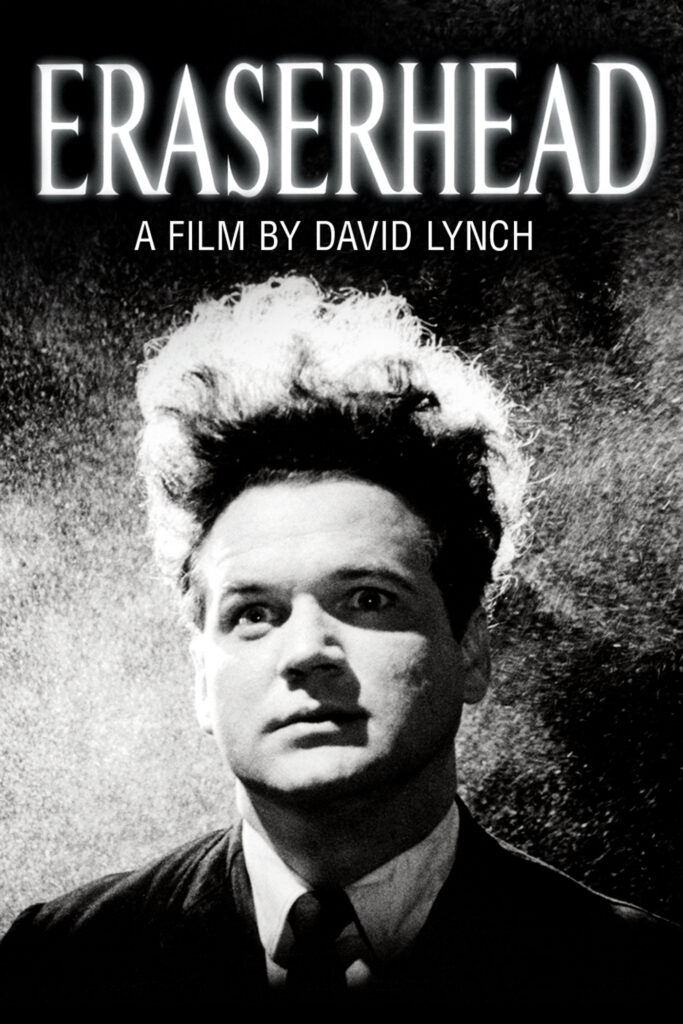
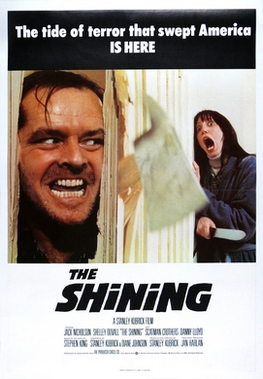
Some films are legendary for their visuals—and legendary for derailing a psilocybin session. This guide ranks the trippiest movies to watch on shrooms (and the ones to save for sober) so you can match the screen to your nervous system, not just your Letterboxd taste.
We picked 20 visually intense films: 10 that often work on mushrooms for many people (slower, awe-forward, less punitive) and 10 that are usually a bad idea while altered (anxiety loops, body horror, paranoia fuel). Taste varies—this is harm-reduction framing, not a guarantee.
If you are new or using moderate+ doses, many harm-reduction-oriented users skip screens entirely. If you do watch, lower brightness, subtitles off or on (your preference), and volume conservative.
Top 10 Trippiest Movies to Watch ON Shrooms
These are visually wild—but relatively session-compatible for many people at low–moderate doses with a calm sitter nearby.
1. Baraka (1992) / Samsara (2011)
Wordless global visual poems—slow cuts, massive landscapes, human rituals. Less plot = less to misread while altered. (Baraka · Samsara)
Why on shrooms: awe-first, no jump-scare contract.
2. Fantasia (1940)
Classical music + animated sequences—pure synesthesia bait without narrative punishment. (Wikipedia)
Why on shrooms: gentle mythic imagery; you can look away during any segment that feels too intense.
3. Spirited Away (2001)
Miyazaki’s dream logic feels intuitive rather than hostile—rich worlds, emotional warmth, clear moral compass. (Wikipedia)
Why on shrooms: wonder > horror; many people report feeling “held” by Ghibli pacing.
4. 2001: A Space Odyssey (1968)
The stargate sequence alone is a cultural rite of passage for psychedelic-friendly cinema. (Wikipedia)
Why on shrooms: long visual patience; cosmic scale.
Caution: HAL tension can spike anxiety for some—know your dose.
Why not on shrooms: cognitive load + dread with no stable ground.
Honorable Mentions: Context-Dependent
Sometimes great ON shrooms (dose-dependent):Interstellar, Tron: Legacy, Dune (2021), Alice in Wonderland (2010), Akira—stunning, but pacing/emotion/intensity can flip mid-session.
Sometimes great SOBER only:Mulholland Drive, Pi, Mandy, Event Horizon—trippy, but paranoia/horror ratios are high.
The best movies to watch on shrooms are usually trippy but kind—awe, music, slow visuals, easy exits. The trippiest films to save for sober are often the ones that weaponize anxiety, identity horror, and chaotic editing.
Your session is not a film festival. If the screen stops feeling supportive, turn it off. The best show is often the one inside your eyelids—or none at all.
Nausea is one of the most common complaints people report with magic mushrooms—and one of the most searchable. If you’ve ever felt queasy during the come-up, wondered whether ginger for mushroom nausea actually works, or debated eating before shrooms vs taking them on an empty stomach, you’re not alone.
This guide explains why psilocybin mushrooms cause nausea, when it usually shows up, and what people commonly try to reduce it: ginger, shroom tea, and timing with food. It’s educational harm reduction—not medical advice, and not a guarantee any method will work for you.
Disclaimer: Educational information only. Not medical advice. If vomiting is severe, persistent, or accompanied by concerning symptoms, seek qualified medical care.
Magic Mushroom Nausea Is Common—and Usually Not “All in Your Head”
Survey data and community reports consistently place GI discomfort among the top unpleasant side effects of psilocybin mushrooms. For many people it’s mild and passes. For others it can dominate the come-up—or return later—and occasionally leads to vomiting.
That matters because nausea is not just physical. During a psychedelic come-up, stomach unease can become psychological fuel: “Something is wrong” → anxiety → more body distress → a loop.
Understanding the mechanisms helps you choose smarter strategies (tea vs whole mushrooms, light food vs empty stomach, ginger vs nothing)—without expecting a perfect fix every time.
Why Do Shrooms Cause Nausea? The Main Mechanisms
There is no single official cause. In practice, most nausea stories involve a mix of the factors below.
1) Chitin and mushroom “body load”
Like culinary mushrooms, psilocybin fungi have tough cell walls rich in chitin—a material humans do not digest smoothly. When you eat dried caps and stems, your GI tract works hard on fibrous material it was never optimized to break down cleanly.
Many people describe this as body load: heaviness, bloating, stomach churning, or nausea before visuals and emotional effects fully arrive.
This is a major reason people switch formats—especially shroom tea, which extracts actives while leaving much of the fibrous bulk behind.
2) Beta-glucans and stomach chemistry (the “indigestion” theory)
Some mycology-informed explanations point to beta-glucans in fungal cell walls interacting unpleasantly with stomach acidity during breakdown. Whether or not you remember the grade-school “acid + base” image, the practical takeaway is simpler: raw-ish fungal material in the stomach can feel rough, especially on an empty or stressed gut.
3) Psilocybin → psilocin conversion still happens in the gut
Even when people take synthetic psilocybin in research settings, nausea still gets reported—so it’s not only mushroom fiber. Your body converts psilocybin to psilocin, and that pharmacological process (plus serotonin-related signaling) may contribute to GI sensations for some individuals.
Translation: even “pure” psilocybin routes can still upset sensitive stomachs, though many people notice whole dried mushrooms feel worse than tea or filtered formats.
4) Come-up anxiety shows up as stomach symptoms
Anticipation, fear, or overstimulation can produce nausea-like feelings independent of mushrooms. On psilocybin—when interoception ( sensing your body ) is amplified—minor stomach signals can feel enormous.
That’s one reason calm set/setting and a sober sitter help: they reduce the anxiety layer that makes nausea worse.
5) Dehydration, sleep debt, and “you were already fragile”
Dehydration, low sleep, hangover states, and general GI sensitivity can turn mild mushroom nausea into a bigger problem. If your baseline is already irritated, mushrooms may not be the only variable—but they can be the trigger you notice.
When Mushroom Nausea Usually Hits (and Why Timing Strategies Matter)
Early come-up (15–45 minutes for many oral routes)
This is the classic window: stomach churning before or as effects begin. Strategies here target GI load (tea vs chewing), food timing, and calming the nervous system.
Mid-experience resurgence
Some people feel fine early, then nausea returns during movement, heat, strong smells, or emotional spikes. Hydration, temperature, and environment matter more here.
After edibles or delayed formats
Mushroom chocolate, gummies, and tea can shift onset. Nausea may arrive later than expected—especially if someone ate a heavy meal beforehand or re-dosed too early.
Ginger for shroom nausea is probably the most popular “folk + wellness” recommendation online—and one of the few options with at least some general GI literature behind it (mostly for pregnancy-related nausea and motion sickness, not psilocybin specifically).
Why ginger gets recommended
People already associate ginger with settling the stomach
It’s easy to add to tea rituals people already use for mushrooms
It improves taste and “ritual comfort,” which can reduce anticipatory anxiety
Important honesty check: there is no robust clinical trial proving ginger prevents psilocybin nausea. Community success stories are real; they’re just not guaranteed.
Common ginger formats people use
Fresh ginger tea (sliced root simmered or steeped)
Ginger + mushroom tea blends (often with honey/lemon)
Candied ginger (easy to nibble—watch sugar and portion size)
Ginger capsules (some take these 30–60 minutes beforehand—individual tolerance varies)
Ginger beer/ale (often more sugar/carbonation than ginger; not the same as tea)
Practical ginger notes (harm reduction, not rules)
Start with a familiar ginger format you’ve tolerated before on normal days
Carbonated sugary drinks can worsen bloating for some people
What People Try: Shroom Tea (and Why It Helps Some Stomachs)
Shroom tea for nausea is popular because it changes the delivery problem: less fibrous mushroom material in the stomach, faster access to dissolved actives, and room to add ginger, mint, or chamomile.
Why tea often feels gentler than chewing dried mushrooms
Less chitin bulk ingested
Warm liquid can feel soothing during come-up anxiety
Easier pacing (sip slowly vs swallowing everything at once)
Peppermint or spearmint (cooling stomach feel for some)
Chamomile (calming ritual; not a pharmacological anti-nausea drug)
Lemon (flavor + lemon tek angle—see below)
Honey (palatability; blood sugar comfort for some)
Tea mistakes that can still cause nausea
Boiling aggressively (some people report harsh brews feel worse—gentler steeping is common)
Drinking too fast on an empty stomach
Leaving sludge in the cup and swallowing mush residue anyway
Assuming tea eliminates all nausea (it often reduces GI load, not all pharmacological effects)
Lemon Tek and Nausea: Related, but Not the Same as “Ginger Tea”
Lemon tek is often discussed alongside nausea because citric acid may begin breaking down fungal material before ingestion—and because it converts some psilocybin toward psilocin earlier in the process.
Community reports are mixed:
Some people feel less stomach distress because they’re not chewing as much material
Some feel more intensity faster—which can include anxiety-linked nausea
Onset compression can skip the gradual ramp some people prefer
Timing With Food: Empty Stomach vs Light Snack vs Full Meal
This is one of the most debated topics in mushroom forums—and one of the biggest sources of “worked for me / failed for me” contradictions.
Empty stomach (common but not automatically “best”)
Pros people report: faster/more predictable onset; less food competing for digestion.
Cons people report: harsher GI irritation; sharper come-up; nausea for sensitive stomachs.
Light snack 1–3 hours before (very common compromise)
Examples people use: toast, banana, oatmeal, crackers, small rice portion—bland and easy.
Why it helps some people: stomach isn’t completely empty; blood sugar feels steadier; psychological comfort of “not doing this starving.”
Tradeoff: may delay onset slightly and can soften peak intensity for some users (not always—individual variance is huge).
Full heavy meal shortly before (often problematic)
Greasy, large, or slow-digesting meals can:
delay onset unpredictably
increase bloating and reflux sensations during come-up
make people think “nothing is happening” and re-dose too early (especially with edibles)
Simple food-timing framework (non-prescriptive)
If you often get nauseous on empty stomach → try a light bland snack beforehand
If you want faster onset and tolerate GI load → empty or near-empty may work better
If you ate heavy → expect delay; avoid redosing impatience
Keep post-ingestion food light during come-up (avoid rich/smelly cooking)
Other Nausea Strategies People Mention (Quick Reality Check)
Hydration (before, not chugging during peak)
Dehydration worsens nausea. Sip water steadily across the day—not a huge chug right at ingestion if your stomach is already reactive.
Peppermint tea or mint
Popular for soothing stomach feel. Evidence in psilocybin context is anecdotal, but low-risk for many people.
Fresh air and temperature
Overheating, stuffy rooms, and strong smells (food prep, incense, perfume) can trigger or worsen nausea during come-up. Cool air and simpler environments help.
Anti-nausea OTC meds
Some people discuss OTC options in forums. We are not recommending any medication here—interactions, individual health conditions, and timing with psychedelics can matter. If you’re considering meds, talk to a qualified clinician.
“Just throw up and you’ll feel better”
Some people do feel relief after vomiting; others feel worse physically and psychologically. If vomiting is repeated or severe, that’s a medical concern—not a “normal trip rite.”
Format Matters: Dried, Tea, Chocolate, Gummies, Capsules
Your ingestion format changes nausea risk:
Whole dried mushrooms: highest fibrous load for many users
Tea / filtered brew: often less GI bulk
Capsules: still contains mushroom powder—can still nauseate, but skips taste/gag reflex triggers
Chocolates/gummies: less mushroom texture, but fat/sugar and delayed onset can create different stomach profiles
Freeze-dried products: texture and stomach response vary by user and preparation
Trying to “power through” on a severely unsettled stomach while adding more substances
Re-dosing because you think nausea means “it didn’t work”
Strongly flavored or greasy food during come-up
Assuming every online “one simple trick” works the same for all bodies
Nausea reduction is usually a stack of small improvements—format + timing + environment + calm support—not one magic hack.
Frequently Asked Questions
Why do I feel nauseous before the trip starts?
Common reasons include GI load from mushroom material, anticipatory anxiety, dehydration, and individual sensitivity. Come-up nausea often precedes obvious psychedelic effects.
Does ginger actually help mushroom nausea?
Many people report yes, especially in tea form—but psilocybin-specific evidence is limited. It may help stomach comfort and ritual calm more than “blocking” pharmacological nausea entirely.
Is shroom tea better than eating dried mushrooms for nausea?
Many users report less nausea with strained tea because less fibrous material is ingested. Results vary by brew method and individual GI sensitivity.
Should I eat before taking magic mushrooms?
There is no universal rule. Empty stomach may increase GI harshness for some; heavy meals may delay onset and increase bloating. A light bland snack 1–3 hours prior is a common middle path.
Does lemon tek stop nausea?
Sometimes it helps by reducing chewed material; sometimes faster onset feels more intense. It is not a guaranteed anti-nausea method.
Can mushroom nausea turn into vomiting?
Yes, for some people. Occasional vomiting is reported in community use. Repeated, severe, or concerning vomiting deserves medical attention.
Does nausea mean my mushrooms are bad or “wrong”?
Not necessarily. Nausea is commonly reported even with well-tolerated material. Persistent unusual symptoms or signs of illness are different—those warrant caution and professional advice.
The Bottom Line
Magic mushroom nausea usually comes from a mix of fungal GI load (chitin/fiber), individual psilocybin sensitivity, and come-up anxiety—not a single switch you can flip off. That’s why people experiment with ginger, tea, and food timing rather than one universal fix.
If nausea has been a dealbreaker for you, the highest-leverage experiments are often: switch from whole dried mushrooms to strained tea, try a light pre-session snack, add ginger you already tolerate, and improve set/setting support. Track what changes onset, intensity, and stomach feel—without expecting identical results every time.
“Should I smoke weed on mushrooms?” is one of the most common questions in the psychedelic community—and one of the least satisfying to answer with a simple yes or no.
Some people swear cannabis and psilocybin create their best nights. Others describe the same combination as a fast track to anxiety, paranoia, looping thoughts, or a trip that feels “too loud” to navigate. Both stories can be true—because cannabis and psilocybin do not combine in a predictable, linear way.
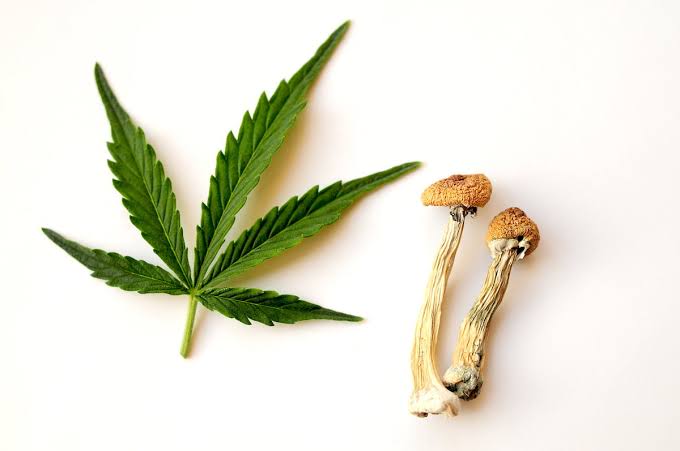
This guide explains why mixing weed and shrooms is unpredictable: different brain systems, different timelines, THC vs CBD differences, edible timing traps, and why tolerance to cannabis does not automatically prepare you for magic mushrooms. It is educational harm reduction, not a mixing guide.
Disclaimer: Educational information only. Not medical advice. If someone is in danger, medically unwell, or unable to stay safe, seek emergency help.
Why Cannabis and Psilocybin Feel Like a Gamble (Even for Experienced Users)
Psilocybin is a classic serotonergic psychedelic. After ingestion, your body converts it to psilocin, which strongly affects serotonin receptors—especially 5-HT2A—and produces dose-dependent changes in perception, emotion, and self-referential thinking.
Cannabis is a different pharmacological world. THC (delta-9-tetrahydrocannabinol) acts primarily on the endocannabinoid system, especially CB1 receptors in the brain, influencing mood, memory, sensory filtering, anxiety circuits, and interoception (how you feel your body from the inside).
So when people ask about mixing weed and magic mushrooms, they are not stacking two versions of the same effect. They are stacking two different “operating systems” on one nervous system—often while both are still booting up.
That is the root of unpredictability.
What “unpredictable” actually means in practice
Unpredictable does not always mean “bad.” It means:
The same person can have different outcomes on different days
The same dose of THC can feel mild alone and intense during a psilocybin peak
A “calming” cannabis strain can still trigger paranoia in the wrong setting
Delayed cannabis edibles can arrive late and collide with a mushroom peak you thought was settling
If your goal is a manageable magic mushroom experience, the most reliable approach is still psilocybin alone with strong set, setting, and support. Mixing is where variance explodes.
What Psilocybin Does During a Magic Mushroom Trip
Magic mushrooms are not standardized pharmaceutical pills. Potency varies by variety, growing conditions, storage, and product format (dried, freeze-dried, chocolate, gummies, tea). But the general arc of a full psilocybin experience is familiar to many users:
Come-up: restlessness, nausea for some, sensory sharpening, emotional sensitivity
Peak: strong perceptual changes, introspection, time distortion, meaning salience
Psilocybin can amplify whatever is already present—mood, bodily sensations, unresolved stress, environmental cues. That amplification is a key reason polysubstance psychedelic use is harder to plan than single-substance sessions.
What Cannabis Does—and Why “Weed” Is Not One Substance
When people say they “smoke weed on mushrooms,” they might mean:
High-THC flower
THC vape concentrates
Edible THC gummies or chocolates
CBD-dominant products (which may still contain THC)
Balanced THC:CBD products
Each route has a different onset and duration—and that matters enormously when combined with psilocybin.
Smoked or vaped THC: fast onset, fast surprises
Inhaled cannabis often hits within minutes. That speed is exactly what makes it disruptive during a mushroom come-up: the brain is already shifting, then THC adds a rapid second layer before the traveler has footing.
Edible cannabis: the delayed double peak problem
THC edibles can take 30 to 120+ minutes to fully express themselves, then last longer than many people expect. If someone also ate psilocybin edibles (chocolate, gummies), they may now be managing two delayed curves—a common recipe for accidental intensity.
CBD and psilocybin: not a reliable “trip stabilizer”
Online forums sometimes recommend CBD for mushroom anxiety. Some individuals report CBD feels calming. Others notice no effect. Some CBD products still contain enough THC to matter—especially for low-tolerance users.
CBD is not a clinically established “off switch” for difficult psilocybin experiences. Treat CBD and psilocybin as another variable, not a safety net.
7 Reasons Mixing Weed and Shrooms Is Unpredictable
1) Two timelines, one nervous system
Psilocybin often unfolds over hours with a gradual rise, a sustained peak, and a long landing. Cannabis—especially inhaled THC—can spike quickly. Your brain may be processing a rising psilocybin curve and a sudden THC pulse at the same time.
That overlap is one of the most common contexts for “I wasn’t ready for that” stories.
2) Cannabis can amplify mushroom trip anxiety and paranoia
THC is well known for increasing anxiety or paranoia in some users, particularly when:
tolerance is low or rusty
the environment is overstimulating
the person is already uncertain or frightened
the dose is higher than expected (common with edibles and concentrates)
Psilocybin can intensify emotion and suggestibility. THC can add a suspicious, jittery, or “everything means something” tone. Together, that can become a thought loop that is hard to steer.
3) Sensory intensity can flip from beautiful to harsh
Many people take magic mushrooms for visual and sensory richness. THC can sharpen perception too—but not always in a pleasant way. Some users report cannabis on mushrooms makes lights feel aggressive, sounds feel sharp, or textures feel overwhelming.
So “stronger visuals” is not always “better visuals.”
4) Memory and orientation can get harder to track
THC can disrupt short-term memory and continuity (“What was I thinking?”). Psilocybin can disrupt normal self-narrative and time tracking. Combined, some people feel less able to use grounding tools because they cannot hold a stable thread of orientation.
That is one reason trip sitters often treat cannabis as a wildcard during psilocybin sessions.
5) Physical side effects can stack and feed psychological distress
Both cannabis and psilocybin can contribute to:
nausea or stomach discomfort
dizziness or lightheadedness
heart rate changes
dry mouth and dehydration sensations
temperature swings (chills/warmth)
During psychedelic states, bodily sensations are often interpreted with high emotional weight. Physical discomfort can become psychological fuel.
Set and setting already matter on mushrooms alone. Adding THC often reduces the margin for error. A messy room, harsh lighting, social tension, or unpredictable group dynamics can escalate faster when two psychoactive systems are active.
7) Tolerance does not transfer the way people assume
Regular cannabis users sometimes assume they are “used to altered states.” But cannabis tolerance is not psilocybin preparedness. Likewise, experienced psychonauts can still have unexpectedly difficult cannabis + psilocybin combinations when timing, dose, or setting shifts.
Your friend’s story is not your pharmacology.
Smoking Weed During the Mushroom Come-Up, Peak, and Comedown
None of this is a recommendation to combine substances. These are common timing patterns that explain why outcomes swing.
Weed during the psilocybin come-up (often the riskiest window)
The come-up is when many people feel vulnerable: nausea, restlessness, “is it happening?” energy, and rising sensory sensitivity. Adding THC here—especially via vape or high-THC flower—can spike anxiety before the traveler has psychological traction.
This is a frequent context for mushroom trip anxiety reports involving cannabis.
THC during the psilocybin peak (high variance, high intensity)
Some users report intensified awe, laughter, or visual richness. Others report confusion, paranoia, or a sense of losing the plot. At peak, small THC increases can feel disproportionately large because the brain is already in a highly plastic, highly suggestible state.
If someone is aiming for depth or emotional processing, THC at peak can also distract from integration-quality material by adding noise.
Cannabis on the mushroom comedown (not automatically “safe”)
Some people use cannabis to relax after intense experiences. It can help some individuals unwind. It can also:
re-trigger anxiety loops when the mind is tired
worsen next-day fog or emotional rawness
blur the line between “landing” and “re-dosing” the altered state
Edible THC + Psilocybin Edibles: The Timing Trap Nobody Plans For
One of the most underestimated polysubstance scenarios is edible cannabis + psilocybin edibles (chocolate bars, gummies, drink mixes).
Why it goes wrong so often:
Both formats can have delayed onset
People re-dose because “nothing is happening yet”
Two delayed peaks overlap
Homogeneity issues in edibles create uneven intensity (one piece hits harder than expected)
This is also where label confusion matters. A mushroom chocolate might be discussed in “grams of mushroom material,” while THC edibles are discussed in milligrams of THC—two different languages that brains merge into one false sense of control.
What People Commonly Report When Mixing Cannabis and Magic Mushrooms
Community reports are anecdotal, but the patterns are consistent enough to be useful for harm reduction.
“Positive synergy” reports (why people keep trying it)
Increased laughter and social warmth (more common in low-stress group settings)
Heightened music appreciation
Stronger visual saturation
A sense of “softening” or body relaxation early on (sometimes before anxiety appears)
Difficult experience reports (why sitters worry)
Paranoia and suspicion of friends or the environment
Racing, looping thoughts
Feeling “too high” with no clear off-ramp
Dissociation or depersonalization sensations
Panic spikes during transitions (come-up, peak shift, comedown)
Nausea and dizziness that feel harder to manage than on mushrooms alone
Important nuance: a difficult experience is not always a “bad trip” in the long-run meaning sense—but it can be unsafe in the moment, especially without a sober sitter and a stable environment.
Who Should Be Especially Careful About Weed and Psilocybin
Some people are more likely to have chaotic outcomes when mixing. Extra caution (or avoiding mixing entirely) is reasonable if you:
Are newer to psilocybin or returning after a long break
Have a history of cannabis-induced anxiety or paranoia
Are already sleep-deprived, dehydrated, or emotionally unstable going in
Are in an unfamiliar setting or with people you do not fully trust
Are combining additional substances (including alcohol)
Are using high-potency concentrates or unfamiliar edibles
Have medical conditions affected by heart rate, blood pressure, or psychiatric stability (talk to a qualified clinician—this article cannot assess individual risk)
Harm Reduction If Cannabis Enters the Picture Mid-Trip
If someone already consumed cannabis during a psilocybin session and anxiety rises, the best interventions are usually environmental and relational—not adding more substances.
Sitter moves that often help
Lower the lights; remove harsh overhead LEDs and flashing visuals
Reduce music intensity; switch to minimal or near-silence if lyrics feel intrusive
Offer one simple thing at a time: water, blanket, bathroom, fresh air (if safe and agreed)
Use short reassurance: “You’re safe. I’m here. This will pass.”
Change one variable at a time (music OR lighting OR room), then wait
Phrases that usually help vs phrases that often backfire
Usually helpful:
“You’re safe right now.”
“Want the lights lower?”
“We can sit quietly.”
Often backfires:
“You’re fine, stop tripping.” (invalidating)
“Why are you scared?” (forces analysis)
“Just smoke more CBD, it’ll fix it.” (adds another variable)
If distress is severe, sustained, or escalating, treat it as a real-world safety issue—not a willpower contest.
Cannabis vs Alcohol With Psilocybin: Different Risks, Same Harm-Reduction Principle
People often compare polysubstance choices. Alcohol and cannabis are not identical companions for psilocybin.
Alcohol commonly adds dehydration, nausea, motor impairment, and judgment errors—people may misread how impaired they are. Read: Is It Safe to Mix Alcohol with Psilocybin?
Cannabis more often adds anxiety/paranoia loops, sensory harshness, and timing surprises—especially with edibles and concentrates.
The shared harm-reduction principle is simple: if you are trying to understand psilocybin, adding second substances makes the data noisy and the experience harder to support.
Microdosing Mushrooms and Using Cannabis: A Separate Kind of Unpredictability
Some people microdose psilocybin while using cannabis regularly. Even when a psilocybin dose feels “sub-perceptual,” interaction reports still vary:
Some feel scattered or anxious
Some feel fine and cannot isolate which substance caused what
Some unknowingly build a story about microdosing benefits that is actually confounded by cannabis habits
If your goal is clean self-observation, separating substances makes interpretation easier. For microdosing basics, see Microdosing 101 and Psilocybin Tolerance.
The Next Day: Why Cannabis + Psilocybin Can Leave a “Foggy Landing”
Even when the main effects end, people sometimes report:
poor sleep or restless sleep
emotional sensitivity
mental fog or slower focus
anxiety hangover (especially after high-THC combinations)
That matters for real-life responsibilities—not just because of impairment ethics, but because the combo can affect recovery quality. Plan the day after like part of the session: hydration, food, rest, low social demand, and no safety-sensitive tasks if you do not feel fully baseline.
Frequently Asked Questions
Can you smoke weed on mushrooms safely?
There is no universally “safe” way to mix psychoactive substances. Many harm-reduction-oriented communities advise learning psilocybin on its own first, with a sober sitter and a stable setting. If cannabis is added, outcomes are highly variable.
Does weed make shrooms stronger?
Sometimes it feels stronger; sometimes it feels stranger, anxious, or fragmented. “Stronger” is not always enjoyable, and it is not consistent across sessions.
Why do I get paranoid when I mix THC and psilocybin?
THC can increase anxiety and paranoia in some users, while psilocybin amplifies emotion and suggestibility. That combination can turn small worries into loops—especially during come-up or in overstimulating environments.
Are cannabis edibles more risky with mushroom edibles?
They can be, because both may have delayed onset. People often re-dose too early, then get hit by overlapping peaks. Edible homogeneity issues can make intensity uneven.
Does CBD cancel out a mushroom trip?
Not reliably. CBD is not an established clinical “trip stopper” for psilocybin. Products labeled CBD may still contain THC.
Is it okay to use cannabis only on the comedown?
Some people do; some regret it. Comedown cannabis can relax—or re-trigger anxiety and worsen next-day fog. It is still an added variable.
Does cannabis tolerance help?
Not necessarily. Familiarity with THC does not guarantee a smooth psilocybin interaction, especially with edibles, concentrates, or high-stress settings.
What should a trip sitter do if someone smokes weed mid-trip and panics?
Stabilize the environment: lower lights, simplify sound, offer water/blanket, use short reassurance, avoid arguing about their perceptions, and change one variable at a time. Seek emergency help if safety is in question.
The Bottom Line
Cannabis and psilocybin can produce wildly different outcomes from session to session because they act on different brain systems, hit on different timelines, and multiply set-and-setting sensitivity. That is why mixing weed and shrooms remains popular in culture—but unpredictable in practice.
If you want the clearest, most supportable magic mushroom experience, treat polysubstance use as an advanced complication—not a default. Prepare the session, keep a sober sitter when appropriate, and plan the full arc including sleep and the next day.
Peer-reviewed reviews on psilocybin/psilocin pharmacology and 5-HT2A receptor mechanisms
Peer-reviewed literature on THC/CB1 receptor effects, anxiety response, and route-dependent pharmacokinetics (inhaled vs oral)
Psychedelic harm-reduction and challenging-experience research literature (survey and qualitative studies on difficult experiences and support)
Disclaimer: Educational content only. Not medical advice. Never drive impaired. Laws vary by jurisdiction. Consult a qualified professional for personal medical or medication questions.
Most “trip sitter advice” online is either too vague (“just be supportive”) or too dramatic (“be a shaman”). In real life, the best sitters usually aren’t performing wisdom—they’re running a calm environment like a quiet stage crew while someone else is doing hard inner work.
This playbook is built for readability: 15 concrete behaviors you can actually execute, plus a few high-value add-ons—music strategy, lighting rules, when to speak, when silence wins, and what to do when the experience gets bumpy.
Disclaimer: Educational and harm-reduction information only. Not medical advice. If someone may be a danger to themselves or others, or appears medically unwell, seek emergency help.
What a Trip Sitter Is Actually Optimizing For
Altered states often amplify sensory load, social complexity, and uncertainty. Your job is to reduce those three variables without taking control of the traveler’s inner process.
Think in outcomes:
Safety: prevent injury, dehydration, wandering into unsafe situations, and medical emergencies.
Predictability: stable lighting, stable sound, stable emotional tone from you.
Agency: support their choices when they’re coherent; don’t steer their psyche.
If you remember only one line: You are not the director of the trip. You are the stage crew.
Before Anything Starts: A 10-Minute Sitter Setup (Worth It)
These aren’t “behaviors” during the trip, but they make the behaviors work:
Clean the main room (clutter reads as “noise” to a heightened brain).
Pre-stage water (easy lid, stable cup, spill-friendly placement).
Temperature check (slightly warm beats slightly cold for many people).
Bathroom clarity (door unlocked path, nightlight if needed).
Interception plan for roommates, pets, deliveries, and phones.
Also decide sober what “escalation” means for your group—when to call a trusted third person, when to seek medical help. Deciding while altered is harder.
The Playbook: 15 Concrete Behaviors
Each item below includes what to do, why it helps, and a quick common mistake to avoid.
1) Pre-brief signals and boundaries (so language doesn’t fail later)
What to do: Agree on simple signals for quiet, company, and physical contact (yes / no / ask each time). Agree whether you’ll suggest leaving the house (often best avoided unless planned).
Why it helps: At peak intensity, complex negotiation feels impossible. Signals compress decisions.
Common mistake: Vague reassurance (“I’m here if you need anything”) without concrete options.
2) Default to quiet presence during the steepest windows
What to do: During the most intense come-up/peak stretches, treat silence + availability as the default. Sit where they can see you if that comforts them—or sit nearby if they prefer eyes-closed darkness.
Why it helps: Many people become hyper-attuned to tone, subtext, and “being interpreted.” Too much talking can feel like surveillance.
Common mistake: Filling silence because you’re nervous. Your boredom is not their problem to solve.
3) Use short acknowledgments instead of speeches
What to do: Keep lines brief and repeatable: “You’re safe.”“I’m with you.”“This will pass.”
Why it helps: Long monologues add cognitive load and can sound like you’re trying to “logic” them out of an experience that isn’t primarily logical.
Common mistake: Teaching philosophy mid-peak. Even if it’s true, it’s poorly timed.
4) Ask one question at a time—never stack questions
What to do: Ask a single yes/no question: “Want a blanket?” Wait. Accept no.
Why it helps: Stacked questions force multitasking while multitasking feels broken.
Common mistake: “Do you want water or tea, are you cold, should we change the music, are you hungry?”
5) Avoid “why” questions while they’re altered
What to do: Replace “Why are you scared?” with concrete offers: lower lights, slower music, blanket, fresh air (if safe and agreed), bathroom escort.
Why it helps: “Why” prompts analysis; many people need stabilization first.
Common mistake: Investigative interviewing that accidentally turns the trip into a performance.
What to do: Prefer lamps over harsh overheads. Warm color temperature. Indirect bounce light beats pointing a bright bulb at someone’s face.
Why it helps: Visual complexity and flicker can feed loops and unease.
Common mistake: RGB color storms or strobes because they look cool online.
8) Reduce visual “noise” in the room
What to do: Hide clutter, blinking router lights, messy stacks, chaotic posters if the room feels aggressive. Close unrelated tabs on TV/laptop.
Why it helps: Pattern recognition ramps up; the environment becomes part of the content.
Common mistake: Leaving chaotic visuals up because “it’s their apartment.” You can still tidy the session space.
9) Phones silenced for everyone in the space
What to do: Silent mode, face-down, no random TikTok beside someone peaking unless they request a specific clip/song.
Why it helps: Notifications are micro-startles; startles scale badly.
Common mistake: The sitter scrolling while the traveler feels “watched.”
10) Offer water and simple food without pressure
What to do: Keep water visible and reachable. Offer simple foods (fruit, toast). If they decline, accept it calmly.
Why it helps: Dehydration and low blood sugar can worsen discomfort—but forcing intake can worsen distress.
Common mistake: Parental nagging. Offer once, wait, offer later.
11) Bathroom support: respectful proximity
What to do: If they want help, many people prefer you wait outside the door (unless you’ve agreed otherwise). Keep instructions simple: “I’m right here.”
Why it helps: Bathrooms can feel disorienting; proximity reduces panic without crowding.
Common mistake: Jokes or playful commentary while they’re vulnerable.
12) Treat temperature as a first-line intervention
What to do: Socks, blanket, room temp tweak, offer a warm mug to hold (even herbal tea if appropriate).
Why it helps: Cold hands/feet can cascade into somatic worry.
Common mistake: Ignoring physical discomfort while trying to talk them through it.
13) If distress rises, change one channel at a time
What to do: Choose one lever: music OR lighting OR room change OR fresh air (if safe). Wait a few minutes. Reassess.
Why it helps: Multiple simultaneous changes can feel like the world is “escalating.”
Common mistake: Panic-redesigning the entire environment in five minutes.
14) Validate emotions without arguing about content
What to do: Reflect the feeling: “That sounds overwhelming.” Stabilize the body: “You’re safe here.” Offer a concrete next step: “Want the lights lower?”
Why it helps: Debating unusual thoughts mid-trip rarely resolves them—and can increase shame.
Common mistake: Fact-checking their perceptions like a courtroom.
15) Know the emergency threshold—and use it if needed
What to do: If you see signs of medical emergency, self-harm, violence, or a sustained inability to stay oriented that isn’t improving with calm support, call emergency services. A sitter’s job includes real-world safety, not “handling everything in-house.”
Why it helps: Some situations are not psychological “difficulty”—they’re emergencies.
Common mistake: Pride. Don’t risk someone’s life to avoid “making a scene.”
Quick Reference: When to Speak vs When to Stay Quiet
Situation
Default move
What to say (examples)
Peak intensity, eyes closed
Quiet presence
(none unless spoken to)
They ask a direct question
Short honest answers
“Yes.” / “I don’t know.” / “In about an hour, usually.”
Fear without a clear request
Stabilize body + environment
“You’re safe. I’m here. Want a blanket?”
Looping questions
Same calm answer each time
Don’t improvise new explanations every loop
They want connection
Gentle conversation at their pace
Follow their topic; don’t redirect to your agenda
Handling Common Bumpy Moments (Short Playbooks)
Nausea or GI discomfort
Reduce smells (food prep, incense).
Offer water; keep a bin nearby just in case.
Calm, boring posture from you—no frantic energy.
Time distortion (“Is it forever?”)
Don’t debate time philosophically.
Offer a simple anchor: “It’s been about X minutes since you took it.” (Only if you actually know.)
Paranoia directed at you (“You’re plotting”)
Lower defensiveness. Slow voice.
Offer transparency + choice: “I can sit farther away. Want me outside the door?”
They want the music off—then silence feels too loud
Try ultra-soft ambient bed at very low volume, or gentle room tone (fan/hum) if available—still no surprises.
Three “Pro Moves” That Separate Good Sitters from Great Ones
A) You regulate your own nervous system on purpose
Slow breathing, slower movements, softer volume, wider gaps between sentences. Your physiology is contagious.
B) You manage logistics like a professional
Doorbells, pets, roommates, food delivery—intercept the outside world so the traveler doesn’t have to negotiate reality.
C) You save debriefing for later
Mid-trip “meaning extraction” can pressure people. Notes are fine; deep analysis is often better after sleep.
Optional: A Small “Sitter Bag” (Simple Items)
Electrolyte packets + water
Light snacks (plain, low odor)
Wet wipes / tissues
Clean socks
Eye mask (only if they want it)
Charging cable (for their phone if needed—used minimally)
Frequently Asked Questions
Should the sitter be completely sober?
For best judgment and safety, yes. The sitter is the baseline anchor.
What if they want me to talk the whole time?
Follow their lead—but keep your turns shorter than usual. Let them steer topics.
What if I’m getting overwhelmed?
Tag in a second sober person if possible. If not, slow your body down first (breath, shoulders), then simplify the environment.
The Bottom Line
Great trip sitting is mostly boring competence: predictable environment, gentle voice, short sentences, thoughtful music, stable lighting, and the wisdom to stay quiet while someone navigates the experience.