After a psilocybin session, one of the most practical questions people ask is deceptively simple: When is it okay to drive?
The honest answer is not a catchy number of hours. It is a chain of facts: psilocybin impairs the same capacities that safe driving depends on—visual processing, attention, reaction time, and judgment—long after the “peak” feels finished. Sleep, residual effects, and how you feel the next morning all matter.
This article is for education and harm reduction. It is not telling you to drive after any substance. In Canada, driving impaired by drugs (including psilocybin) is illegal and dangerous. If you are not completely sober and unimpaired, do not drive—use a taxi, rideshare, transit, or a sober driver.
Let’s break down what the science and real-world patterns suggest about timing, sleep, afterglow, and next-day focus—so you can plan responsibly.
First: Why “How Many Hours?” Is the Wrong Starting Point
Driving requires sustained attention, stable perception (especially at night), quick motor responses, and sound judgment. Classical psychedelics like psilocybin disrupt those functions through agonism at the serotonin 5-HT2A receptor—the same receptor class implicated in the perceptual and cognitive changes studied in modern neuroimaging research on psilocybin.
That matters for driving because impairment is not only “seeing trails.” It can be:
Altered depth perception and contrast sensitivity
Slower or fragmented attention under cognitive load
Emotional lability or anxiety spikes in unfamiliar situations (traffic, weather, pedestrians)
Fatigue after hours of sympathetic arousal and mental intensity
So the goal is not to find the minimum hours until you “feel sort of normal.” The goal is to avoid operating heavy machinery until you are fully back to baseline—and for many people, that means not the same calendar day, and often not until after a full night’s sleep.
What Psilocybin Does in the Body (Briefly)
Psilocybin is a prodrug: it is converted to psilocin, which is responsible for most psychoactive effects. Psilocin acts as a serotonin 5-HT2A agonist (among other actions), producing dose-dependent changes in perception, cognition, and mood—effects that overlap strongly with capacities that regulators and road-safety science associate with impaired driving risk.
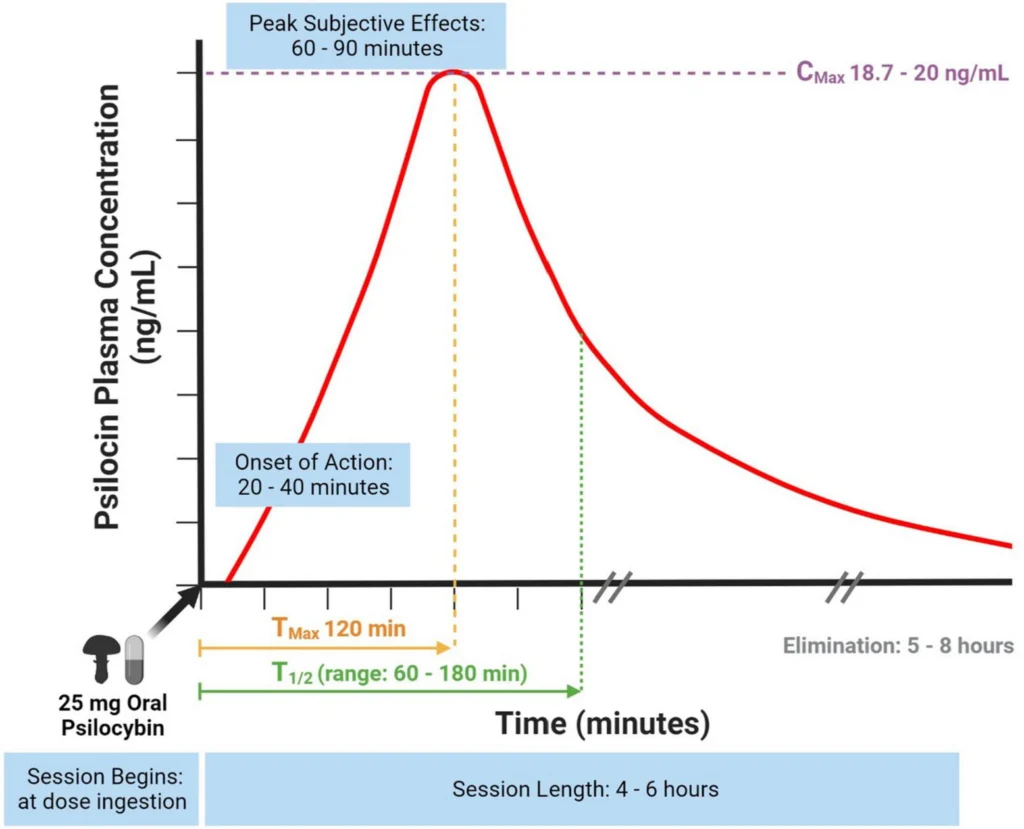
Acute subjective effects for many users fall into a rough window of about 4–6 hours for a full-dose experience, with meaningful individual variation based on dose, route of administration, stomach contents, individual metabolism, and set/setting. For a general timeline of onset, peak, and comedown, see our guide: How Long Do Shrooms Last?
But “the trip ended” does not automatically mean “safe to drive.” Subtle effects—emotional afterglow, mild visual “sparkle,” slowed cognition, or fatigue—can persist longer than the obvious psychedelic phase.
The Same-Day Driving Question: A Harm-Reduction Default
If you are looking for a practical default that prioritizes safety and legal risk reduction:
Do not drive during the acute effects or the comedown.
Do not drive the same day as a full-dose psilocybin session if there is any doubt about your baseline.
Plan ahead: arrange transportation before the experience begins.
Why so conservative? Because public roads mix unpredictability (other drivers, pedestrians, weather) with high stakes. Psilocybin’s effects are not reliably linear—people can feel “clear enough” while still having measurable cognitive and perceptual changes. If your goal is responsible use, separate the session from driving entirely.
Sleep After Psilocybin: Why It’s Often the Real Bottleneck
Even when subjective effects fade, people often report:
Difficulty falling asleep for many hours after ingestion
Restless or shallow sleep if sleep happens too early
That matters for driving because sleep deprivation itself impairs reaction time and attention in ways that can resemble intoxication. A person who finishes a late-night session with little sleep may be impaired the next morning even if psilocybin is no longer pharmacologically “active” in the way it was at hour three.
Practical takeaway: treat “I slept poorly” as a reason to delay driving until you are genuinely rested—not merely “awake.”
Residual Effects & Afterglow: When You Feel “Fine” But Aren’t Baseline
Many users describe an afterglow: improved mood, openness, emotional sensitivity, or a sense of clarity the day after. That can feel pleasant—and it can still coincide with:
Reduced tolerance for stress or overstimulation
Emotional sensitivity that can spike in conflict or surprise situations
Subtle perceptual changes in some individuals (especially in low light)
Afterglow is not the same as “zero impairment.” It is a different state than ordinary baseline, even when it feels positive.
Also worth naming carefully: a small minority of people report longer-lasting visual phenomena or perceptual oddities after psychedelic use. If anything like that is present, driving is inappropriate until resolved—and if symptoms persist, that’s a reason to seek qualified medical advice.
Next-Day Focus: What People Notice (and Why It Varies)
Some people report sharp focus the day after; others feel foggy, tired, or emotionally raw. Contributing factors often include:
Sleep quantity and quality
Hydration and food during/after the session
Stress level of the experience itself (beautiful but intense sessions can still deplete you)
Co-use of other substances (including alcohol or cannabis), which can compound impairment and sleep disruption
If your next-day goal includes work, childcare, or travel, plan conservatively. And if your next-day includes driving, the conservative standard is: you should feel completely normal in attention, reaction, and emotional regulation—not “good enough.”
Legal Reality in Canada (High Level)
In Canada, law enforcement can investigate drug-impaired driving using standardized field sobriety testing and drug screening technologies where applicable. The practical point for readers is simple: impaired driving is a serious criminal offence, and “I waited X hours” is not a reliable defence if you are impaired.
This article cannot interpret your personal legal risk; it can only emphasize that sobriety for driving means unimpaired, not “mostly down.”
If You Must Travel: Safer Alternatives to Driving
Sober driver arranged in advance
Rideshare/taxi
Transit where available
Stay overnight where you are, if possible
The best trip is the one that never puts you in a position to make a high-stakes decision while altered—or while sleep-deprived after being altered.
Quick Comparison: Why Psilocybin Is Not “Like Having a Beer” for Driving
People sometimes compare drugs using social drinking as a mental model. That model fails here for several reasons: psychedelic impairment can be perceptual and cognitive in ways that don’t feel like “intoxication” in the alcohol sense; confidence is unreliable; and the duration curve doesn’t match a simple blood-alcohol style decline for many users.
So don’t translate the experience into a false sense of readiness. If you’re asking whether you’re okay to drive, that uncertainty itself is a signal to wait.
Frequently Asked Questions
Is there a standard number of hours after psilocybin when driving is safe?
There is no universally safe number. Effects vary by dose, individual, route, sleep, and co-use. Harm-reduction planning should assume no same-day driving for full-dose experiences unless you have a rigorous, personal baseline—and even then, many people choose next-day-only as a rule.
Can I drive the morning after if I slept?
Sleep helps, but it is not automatic proof of fitness to drive. If you slept poorly, feel foggy, or feel emotionally unsettled, delay. If you feel completely baseline, you still must ensure you are not impaired.
Does microdosing change the driving answer?
If a person is taking any amount of a psychoactive substance that could impair attention or perception, driving may be unsafe and illegal. Many people treat microdosing as incompatible with driving for the same reasons—especially because “sub-perceptual” is subjective.
What if I feel totally sober?
Feeling sober is not always reliable. If there is any residual visual strangeness, slowed thinking, or strong emotional volatility, do not drive.
Psilocybin can be profound. It can also leave you tired, emotionally open, perceptually altered, or sleep-deprived—any of which can make driving unsafe even when the main effects seem over.
The clearest harm-reduction message is also the least glamorous: keep driving out of the equation until you are fully rested, fully baseline, and certain you are unimpaired—and when planning a session, assume you will not be the one behind the wheel that day.
Explore more educational guides on our Magic Mushroom Blog, and browse our shop responsibly in line with the laws that apply to you.
Nichols, D.E. — Psilocybin and serotonin 5-HT2A receptor pharmacology (classic psychedelic mechanism overview). Peer-reviewed reviews and chapters on psychedelic pharmacology.
Carhart-Harris, R.L. et al. — Psilocybin neuroimaging and network neuroscience (context for perceptual/cognitive effects). See e.g. Proceedings of the National Academy of Sciences and related work from Imperial College London’s Centre for Psychedelic Research.
Health Canada — Psilocybin and public health framing (legal status and health information): search Health Canada for current psilocybin-related pages.
Disclaimer: This article is for general education and harm reduction. It is not medical or legal advice. Psilocybin is regulated/illegal in many contexts; laws vary by jurisdiction. Never drive impaired. If you have health concerns, consult a qualified professional.
Most people who’ve tried magic mushrooms have done so at 1 gram, maybe 2. A comfortable, curious, manageable experience. Colors shift a little. Music sounds better. You feel connected and warm.
Five grams is something else entirely.
“At 5 grams, the world as you know it ceases to exist.”
That’s not an exaggeration. It’s not hype. It’s the honest, reported reality of what happens when a human being consumes what ethnobotanist Terence McKenna famously called a heroic dose — five dried grams of Psilocybe cubensis, taken intentionally and with full commitment.
This post is not a guide on whether you should do it. It’s a detailed, honest, minute-by-minute breakdown of what the heroic dose actually feels like, why it feels that way, and what the science says is happening in your brain while it unfolds.
Read it whether you’re curious, preparing, or simply trying to understand what people mean when they say a mushroom experience changed their life.
Before We Start: What Is the Heroic Dose?
Terence McKenna — the American ethnobotanist, philosopher, and one of the most influential voices in psychedelic culture — coined the term “heroic dose” to describe a very specific method of consumption: five dried grams of Psilocybe cubensis, taken alone, on an empty stomach, in silent darkness, with eyes closed.
McKenna’s framework was intentional. The darkness and silence eliminate external anchors for the mind. The solitude strips away social performance. The empty stomach accelerates onset and maximizes absorption. Together, these conditions create the optimal environment for what McKenna described as a “profound visionary experience.”
DoubleBlind Magazine describes it plainly: unlike high doses, which hover around 3.5 grams or so, heroic doses are strong enough to take you out of your present reality entirely.
The name itself is worth unpacking. “Heroic” doesn’t mean brave in the ordinary sense. It refers to the Hero’s Journey — the archetypal process of personal transformation described in myths and fairy tales across human history. You go in. You are changed. You return different.
Important disclaimer: This blog is for educational and harm reduction purposes. A heroic dose is not a recreational experience. It carries real psychological risks and is not appropriate for everyone. Never attempt a heroic dose without prior lower-dose experience, a safe set and setting, and ideally a trusted sitter or guide present. Read our full Magic Mushroom Safety Guide before proceeding.
What 5 Grams Actually Contains
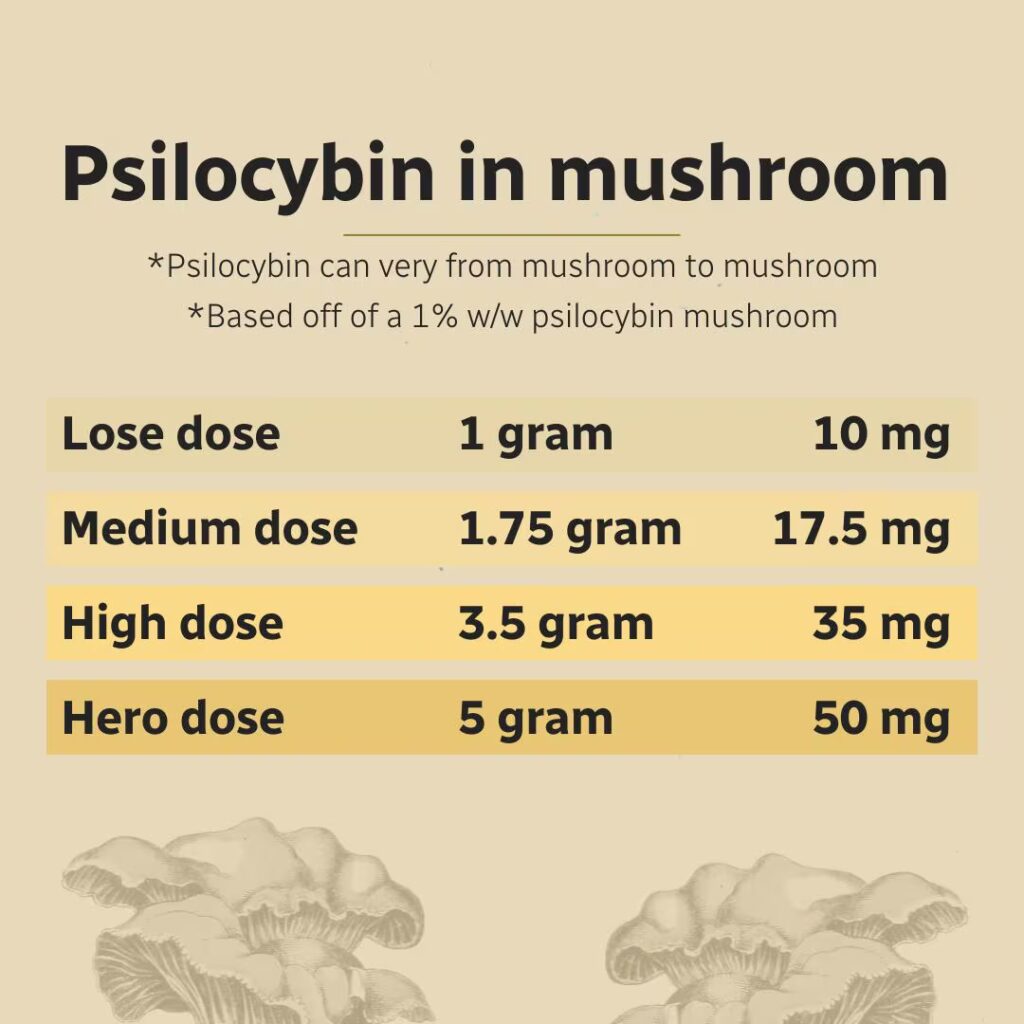
Before the timeline, a quick pharmacological note: when you eat 5 grams of dried P. cubensis, you’re consuming approximately 30–50 mg of psilocybin — based on average psilocybin content of around 0.5–1% of dry mushroom weight, with a range across species of 0.03% to 1.78%. In Johns Hopkins clinical research, the highest doses studied were 30 mg/70 kg bodyweight — roughly equivalent to 3–5 grams of dried mushrooms. So 5 grams sits at the very top of what clinical researchers consider the high-dose threshold.
At those doses, Johns Hopkins research found that 72% of volunteers had mystical-type experiences, and one month later they rated the session as having substantial personal and spiritual significance, with sustained positive changes in attitudes, mood, and behavior that were still undiminished at 14-month follow-up.
That context matters. The heroic dose isn’t folklore. It’s one of the most rigorously documented psychological experiences in modern science.
For a deeper look at how strain potency affects this equation, check out our complete mushroom strains guide. A Penis Envy 5-gram experience is categorically different from a 5-gram Golden Teacher experience.
The Minute-by-Minute Timeline
What follows is a composite account drawn from community reports, clinical research timelines, and pharmacokinetic data. Every person’s experience differs based on body weight, metabolism, strain potency, stomach contents, emotional state, and environment. But the broad arc — the phases, the transitions, the quality of experience — is remarkably consistent at this dose level.
The clock starts when you swallow.
⏱ Minutes 0–20: Stillness Before the Storm
You’ve eaten. The mushrooms are in your stomach. For the first 15–20 minutes, there’s often nothing detectable happening — just you, your breath, and the quiet awareness that something irreversible has been set in motion.
Most people describe a rising anticipatory tension during this window. Not quite anxiety, not quite excitement — something between the two. Your body knows. Your mind doesn’t yet.
Some people feel mild stomach awareness — a slight gurgling or warmth in the gut as the psilocybin begins its conversion to psilocin in the liver. This is normal, and at this dose, it’s almost a reliable signal that the process has begun. If you’re sensitive to nausea, having consumed your mushrooms in tea or chocolate form will have dramatically reduced this. For a full breakdown of how format affects onset, read our post on mushroom chocolate and bioavailability.
What to do: Lie down. Close your eyes. Set your intention one final time. Breathe slowly. You will not be able to stop what comes next — only receive it.
⏱ Minutes 20–40: First Contact
The first signals arrive. They’re subtle at first — easily mistaken for imagination — and then unmistakably real within minutes of each other.
Visual field shifts. With eyes closed, the darkness behind your eyelids begins to develop texture. Geometric patterns emerge — symmetrical, complex, pulsing faintly at first. Colors that aren’t there begin to accumulate in your peripheral vision. With eyes open, objects begin to breathe. The ceiling undulates. Edges soften.
Body sensations begin. A warmth or electricity moves through your limbs. Some people experience a wave of nausea at this point — especially on dried mushrooms consumed raw — which passes within 10–15 minutes for most. Some people feel a strong urge to yawn or stretch as the body responds to the sudden neurochemical flood.
Time starts to distort. The gap between thoughts stretches. What feels like 20 minutes may have been 5. The ordinary rhythm of your internal clock begins to slip.
At the pharmacological level, psilocin is now binding rapidly to 5-HT2A serotonin receptors concentrated in the prefrontal cortex. Blood levels of psilocin are rising quickly. The brain is beginning to experience what researchers describe as “massively disrupted functional connectivity” — the normal routing of neural signals is breaking down and new, unexpected connections are forming.
The feeling: An elevator beginning to rise. Still inside the building. But moving.
⏱ Minutes 40–60: Liftoff
This is where 5 grams separates itself from every lower dose you’ve ever tried.
The visual field doesn’t just shift — it transforms. With eyes closed, you are no longer in darkness. You’re inside an architectural space of cascading geometric forms: mandalas within mandalas, fractal landscapes that breathe and morph with impossible detail. Colors no longer correspond to anything in the physical world — you’re witnessing hues your waking consciousness has no name for.
Synesthesia begins. Music (if you’re listening to any) becomes visible. Sounds have textures. The boundary between senses starts to dissolve. A high dose brings “kaleidoscope visuals when eyes are closed or open, sensory and perceptual changes, synesthesia like hearing colors or tasting sounds, cognitive changes, and ego dissolution.”
Emotional intensity spikes. Whatever emotional material exists in your psyche — unprocessed grief, old fear, deep love, awe — begins surfacing rapidly and powerfully. This is not random. Psilocin’s action on 5-HT2A receptors disrupts the Default Mode Network (DMN) — the brain’s self-referential processing hub — creating a state in which emotional material bypasses the usual filters of ego-defense and moves directly into awareness. Neuroimaging studies have consistently shown that psychedelics like psilocybin significantly reduce DMN connectivity, and that this correlates directly with the subjective experience of ego dissolution.
Nausea (if present) typically ends here. The transition to peak is often the most physiologically turbulent part of the experience, but as the compound reaches full activity, most GI discomfort passes.
The feeling: You are no longer in the elevator. You’ve cleared the building. You’re above the clouds and still accelerating.
⏱ Hours 1–2: Entering the Deep
Language begins to struggle here. Not because the experience becomes incoherent — but because what is happening falls outside the categories that language was designed to describe.
Reality becomes fluid. The ordinary consensus structure of the world — the agreement that objects are solid, that self and other are separate, that time flows in one direction — loosens its grip entirely. At 5 grams, this is not a partial or metaphorical dissolution. It is literal. You may not know your name. You may not remember that you took mushrooms. You may not have a stable sense of being a person who is having an experience.
Ego dissolution begins. This is the defining feature of the heroic dose and the most difficult to describe to anyone who hasn’t experienced it. The “self” — the internal narrator, the sense of being a distinct person separate from the world — begins to quiet and then disappear. This is not a loss of consciousness. You are fully awake. But the one who is usually awake — “you” — is no longer present in the usual way.
What remains is awareness without a center. Experience without an experiencer. “In a state of ego dissolution, the boundaries are let down and a great zooming out takes place where you begin to see things on a macroscopic level. You are no longer an individual isolated from life as it takes place around you, but rather you are interconnected with everything through the web of life.”
From a neuroscience perspective, ego dissolution happens when the default mode network loses its usual grip and the communication between its hubs weakens. The DMN — which governs self-awareness, internal narrative, and the distinction between self and other — is dramatically suppressed by psilocin. What remains is pure, undifferentiated awareness.
Visions intensify to their maximum depth. At this point, with eyes closed, the visual content moves beyond geometry into full visionary experience. Landscapes. Faces. Beings. Symbolic narratives. Many people at this dose level describe encountering presences or entities — not experienced as hallucinations, but as encounters with something genuinely outside themselves. Whether this is neurological, philosophical, or spiritual is a question that science has not answered. What is documented is that it is experienced as profoundly real.
Time becomes irrelevant. The heroic dose produces its effects for 6 to 8 hours — but as time dilates during a trip of this kind, one’s perception of the time frame becomes far beyond that of ordinary measured time. What feels like lifetimes may be minutes. Many people report that subjective time during peak ego dissolution feels essentially infinite — not long, but dimensionless.
The feeling: You are not in a place. You are not a person. There is only this.
⏱ Hours 2–4: The Peak — Where the Work Happens
A heroic dose has three phases: the blast off, which usually happens within the first two hours; the strongest or peak experience, which occurs from around hours 2 to 4; and the comedown.
For many people, this is the most significant period of their lives. Not most significant drug experience. Most significant experience.
What commonly occurs at peak:
Complete mystical experience — a sense of profound unity with all things, transcendence of time and space, overwhelming positive mood, and an encounter with something felt as sacred or ultimate. Johns Hopkins research using the Mystical Experience Questionnaire found that at high doses, 72% of participants reported mystical-type experiences, and these were rated among the five most meaningful and spiritually significant events of their lives — more meaningful than the birth of a child or the death of a parent.
Emotional catharsis — grief, love, fear, joy, and awe flowing without the usual dams of ego-defense. People cry. People laugh. People face things they’ve been running from for years. The psychedelic process does not let you choose what surfaces.
Challenging experiences — it’s critical to acknowledge that at this dose, difficult experiences are common and expected. Johns Hopkins data shows that at high doses, 39% of volunteers experienced extreme anxiety or fear at some point during the session. This is not a failure of the experience — it is often the most therapeutically significant part of it. The ability to move through difficulty, to practice surrender rather than resistance, is exactly what the heroic dose asks of you.
Profound insight — about your life, your relationships, your patterns, your deepest fears and desires. These insights often feel more real and certain than anything you’ve understood before. Many persist long after the compound has cleared.
The neuroscience of the peak: Your brain is in a state that has no everyday analogue. Psilocybin has massively disrupted functional connectivity across cortex and subcortex — with research published in Nature showing this disruption is more than threefold greater than that of stimulant drugs. The brain’s usual specialized networks have dissolved into a state of massive global communication — sometimes called the “entropic brain” — in which every region is talking to every other region simultaneously. This is what produces the sense of universal connection, the dissolution of boundaries, and the perception that everything is deeply, meaningfully interrelated.
The feeling: Impossible to describe. People use words like birth, death, God, everything, nothing, home, ancient, infinite. Whatever it is, it is felt — with total certainty — as more real than ordinary reality.
⏱ Hours 4–5: The Tide Begins to Turn
Slowly — and it is slow — the peak begins to soften.
The return of self happens in fragments. A thought arrives that sounds distinctly like you. Then another. The geometric architecture of the closed-eye visual field begins to simplify. The undulations in the physical environment slow and soften. You begin to remember that you took mushrooms. You begin to remember your name.
This is often one of the most emotionally resonant phases of the entire experience — the return. There is frequently a profound sense of gratitude, of having been somewhere enormous and been returned to the ordinary world with something new. Many people cry during re-entry. Not from sadness — from the sheer intensity of the contrast between where they’ve been and the ordinary miracle of simply being alive.
Physical sensations return to the foreground. You may feel genuinely exhausted — the body has been running at neurological full capacity for hours. Mild jaw tension, a sense of physical weight, and deep fatigue are common. Drink water. Stay warm. Don’t rush to move.
The feeling: A ship returning to harbor after an enormous voyage. The sea is still moving. You can feel the difference in your body.
⏱ Hours 5–8: Resolution and Afterglow
The fully psychedelic phase is over. But the experience is not.
What remains is what the psychedelic community calls the afterglow — a period of unusual clarity, emotional softness, and perceptual richness that can last anywhere from a few hours to the following day. Music sounds beautiful. Food tastes vivid. Conversations feel meaningful in ways that ordinary conversation doesn’t.
Cognitive processing is active. Your mind is quietly beginning to organize and integrate what just happened. Insights surface in gentle, conversational form rather than overwhelming waves. This is an excellent time to begin journaling — even rough, half-formed notes — because the vividness of the experience fades faster than most people expect.
Emotional sensitivity remains elevated. Some people feel euphoric. Some feel fragile and tender. Some feel profoundly peaceful. All of these are valid and expected. Avoid stimulating environments, bright screens, or demanding social interactions during this window. Your nervous system has been through something significant and deserves care.
The feeling: Standing outside after a thunderstorm. Everything is quiet. The air is different. So are you.
What Happens in Your Brain: The Neuroscience Summary
For those who want to understand the biology underneath the experience:
The Default Mode Network Goes Offline
The DMN is the brain network responsible for self-referential thought — your internal narrative, your sense of being a distinct self, your rumination, your autobiographical memory. Psychedelics dramatically reduce DMN connectivity, and this reduction correlates directly with ego dissolution. When the DMN loses its grip, the sense of a bounded, separate self disappears — which is experienced as unity, oneness, or the dissolution of the ego.
Researchers at Imperial College London found that this “resetting” of the DMN is likely linked to psilocybin’s antidepressant effects — turning off the rigid self-referential loops associated with depression and reconsolidating them in a more flexible, less rigid form.
Global Brain Connectivity Explodes
Normally, different brain networks operate in isolation — the visual network, the auditory network, the emotional network, and so on. Psilocybin breaks down this segregation, creating vast cross-linking between networks that don’t normally communicate. This increased global connectivity is what produces synesthesia (hearing colors, seeing sounds), the sense that everything is connected, and the perception of visionary content with no external stimulus.
New Neural Connections Begin Forming
As we covered in our blog on Psilocybin and Neuroplasticity, a landmark 2021 Yale study showed that a single psilocybin dose produces approximately a 10% increase in dendritic spine density in the prefrontal cortex — new physical connections between neurons — within 24 hours, that persist for at least a month. The neural activity during your experience shapes which connections are built. What you think, feel, and process during the trip becomes, quite literally, new brain architecture.
This is why integration matters so much after a heroic dose. You’re not just processing an experience emotionally — you’re tending to new neural construction.
The Aftermath: What Changes
People don’t take heroic doses for entertainment. They take them because something needs to shift — and the evidence suggests it does.
Johns Hopkins research has documented that a single high-dose psilocybin session, combined with preparation and integration, produces:
Significant reductions in depression and anxiety persisting for 6–12 months
Increased psychological openness and flexibility
Lasting changes in attitudes toward life, self, and others
Reduced fear of death in patients with life-threatening illness
More than 85% of participants rating the experience as one of the five most meaningful and spiritually significant of their lives
These are not small effects. These are among the largest and most sustained psychological outcomes ever measured in a clinical trial.
The heroic dose is not magic. It is not a guaranteed cure for anything. But at its best — properly prepared, properly supported, properly integrated — it is one of the most powerful tools available to the human mind for breaking patterns, dissolving defenses, and encountering the deeper layers of who you are.
Before You Consider It: The Essential Checklist
✅ Prerequisites
Extensive experience at lower doses (1g → 2g → 3.5g minimum, over multiple sessions)
No personal or family history of psychosis, schizophrenia, or bipolar disorder
Not currently on SSRIs, MAOIs, or lithium
A trusted sitter present or immediately reachable
A safe, private, comfortable physical environment
Clear intention set in advance
An empty or near-empty stomach (3–4 hours fasted minimum)
An integration plan for the days and weeks following
✅ Strain Matters
Do not attempt a heroic dose with a high-potency strain like Penis Envy unless you are deeply experienced. Experienced users recommend starting a 5-gram heroic dose with a moderate-potency strain like Golden Teacher or a similar cultivar. Check our full strain effects guide before selecting.
✅ Integration Is Non-Negotiable
The weeks following a heroic dose are a critical neurological window — new dendritic spines are maturing, new neural pathways are consolidating. Journal. Sleep. Move your body. Speak with a therapist or integration coach if possible. Don’t rush back to ordinary routine. For everything you need to know, read our Psilocybin Integration Guide.
Frequently Asked Questions
Is 5 grams the same for everyone?
No. Mushroom potency varies enormously by strain and batch. A 5-gram heroic dose of Golden Teacher is a very different experience from 5 grams of Penis Envy — which could be 2–3x more potent. Always know your strain, and always work up gradually. A dose that is “heroic” for one person may be moderate for another.
Will I lose control of my body?
At a true heroic dose, most people are lying still with eyes closed. Gross motor function remains intact — you can move, stand, and seek help if needed. However, your capacity for coordinated, purposeful action is significantly impaired for several hours. This is one of the most important reasons for having a sitter present.
What if it goes badly?
Difficult experiences at this dose are common and often the most therapeutically meaningful. The primary harm-reduction tool is surrender — resisting a difficult experience amplifies it, while accepting and moving toward it tends to move it through. Having a trusted, sober sitter who understands psychedelics and can provide calm, grounding presence is the single most important safety factor at this dose level.
How long until I should do it again?
McKenna himself advocated for infrequent use. He recommended no more than two to three times per year at this dose level. The neuroplasticity research supports this — new connections need weeks to mature and stabilize before the process is repeated. The standard community recommendation is a minimum of 30 days between high-dose sessions, and many experienced users wait much longer.
Is this the same as what happens in clinical trials?
Clinical trial doses typically range from 20–30 mg of pharmaceutical-grade psilocybin, which roughly corresponds to 2.5–5 grams of dried cubensis. The experiences described in clinical research — mystical states, ego dissolution, profound emotional processing — are qualitatively consistent with what community users report at the heroic dose. The key difference is the presence of professional therapists, a clinically optimized environment, and formal integration support. The experience itself is the same.
The Bottom Line
Five grams of dried magic mushrooms is not a party. It’s not a night out. It’s not a way to get high.
It is — if approached correctly — one of the most profound experiences available to the human mind. A full dissolution of the ordinary sense of self. A direct encounter with something that most people describe as larger than any category their usual consciousness contains. And, consistently, an experience that is rated months and years later as among the most meaningful of an entire lifetime.
The timeline above is a map. But maps are not the territory. No description — not this one, not any — can prepare you for what 5 grams actually feels like. The preparation, the intention, the surrender, the integration: those are the real work. The compound just opens the door.
Griffiths et al. (2016) — “Psilocybin produces substantial and sustained decreases in depression and anxiety in patients with life-threatening cancer” — Journal of Psychopharmacology — https://pmc.ncbi.nlm.nih.gov/articles/PMC5367557/
Disclaimer: This blog is for educational and harm reduction purposes only and is not medical advice. Psilocybin mushrooms are a controlled substance in many jurisdictions. Always research the laws in your area before proceeding.
If you’ve spent any time around the mushroom community, you’ve probably heard someone say it: “Just lemon tek it.”
It’s said casually, like it’s common knowledge. And honestly? At this point, it kind of is. Lemon tekking has become one of the most popular ways to consume magic mushrooms — and for good reason. It’s fast, it’s potent, and it might even be easier on your stomach.
But what actually is lemon tek? What’s the science behind it? How do you do it properly? And is it right for you?
Whether you’re a curious beginner or a seasoned psychonaut looking to switch things up, this guide covers everything. Let’s get into it.
What Is Lemon Tek?
Lemon tek (short for “lemon technique”) is a method of preparing magic mushrooms by soaking ground-up dried shrooms in fresh lemon or lime juice for 15–20 minutes before consuming the mixture. That’s it. That’s the whole concept.
Simple? Yes. But the effects? Far from simple.
The idea is that the citric acid in the lemon juice kickstarts the conversion of psilocybin (the inactive prodrug in mushrooms) into psilocin (the compound that actually produces the psychedelic experience) before it enters your body. Normally, this conversion happens in your stomach and liver. With lemon tek, you’re outsourcing part of that digestive work to your kitchen counter.
The result, according to thousands of user reports? A faster come-up, a more intense peak, a shorter overall trip, and — for many — less nausea. We’ll break all of that down in detail.
The Science Behind Lemon Tek
Let’s get nerdy for a minute — because the chemistry here is actually pretty fascinating.
Psilocybin Is a Prodrug
When you eat magic mushrooms, the compound that enters your system is psilocybin. But here’s the thing most people don’t realize: psilocybin itself doesn’t get you high. It’s a prodrug, meaning it needs to be converted into another compound — psilocin — before it becomes psychoactive.
This conversion happens through a process called dephosphorylation (removing a phosphate group from the molecule). Normally, this takes place in your stomach and liver, facilitated by enzymes and the acidic environment of your gut. If you want a deeper look at how psilocybin interacts with your brain once it becomes psilocin, check out our blog on How Shrooms Make You Feel.
Citric Acid Mimics Stomach Acid
Here’s where lemon tek enters the picture. Lemon juice has a pH of about 2, which is remarkably close to human stomach acid (pH 1.5 to 3.5). When you soak ground mushrooms in lemon juice, the citric acid begins that dephosphorylation process outside of your body — essentially pre-digesting the psilocybin into psilocin before you drink it.
It’s like giving your body a head start. By the time that lemon-soaked mixture hits your stomach, a significant portion of the psilocybin has already been converted. Your body absorbs psilocin much faster than it can process raw psilocybin, which is why the effects kick in sooner and hit harder.
The Chitin Factor
There’s another layer to this. Mushroom cell walls are made of chitin — the same tough material found in crab shells and insect exoskeletons. Your body doesn’t produce enough of the enzyme (chitinase) to break chitin down efficiently, which is part of why raw mushrooms can make people feel nauseous. We dive deep into this in our blog on Why Magic Mushrooms Cause Nausea.
When you grind mushrooms into a fine powder and soak them in acidic lemon juice, you’re helping break down those chitin cell walls. This not only releases more psilocybin for conversion — it also makes the mushroom material easier to digest, which is likely why many people report less stomach discomfort with lemon tek.
The Vitamin C Theory
One more piece of the puzzle: lemons are rich in vitamin C, which acts as an antioxidant. Some mycologists theorize that the vitamin C protects psilocin from oxidizing (breaking down) once it’s been converted from psilocybin. This could help preserve more of the active compound, making it more potent when consumed. Lemons also contain the flavonoid quercetin, which may inhibit an enzyme in the small intestine that plays a role in first-pass metabolism — potentially preserving even more psilocin.
It’s worth noting that while the core chemistry behind lemon tek is plausible and well-supported by anecdotal evidence, no formal clinical studies have specifically tested the lemon tek method in a controlled lab setting. The science is indirect but compelling — and the consistency of thousands of user reports gives it serious credibility.
Lemon Tek vs. Eating Dried Mushrooms: What’s the Difference?
The best way to understand lemon tek is to compare it with the most common method — just eating dried mushrooms.
Onset Time: Eating dried mushrooms typically takes 30–90 minutes to kick in. With lemon tek, most people feel the first effects within 10–20 minutes. That’s a massive difference, and it’s the first thing people notice.
Intensity: Lemon tek is widely reported to feel 1.5–2x stronger than the same dose eaten normally. This isn’t because you’re adding psilocybin — it’s because all of the psilocin hits your system in a much shorter window, creating a more concentrated peak.
Duration: A standard mushroom trip lasts 6–8 hours. A lemon tek trip is typically 3–5 hours. It’s a compressed version of the same journey — shorter, but deeper.
Nausea: Many people experience nausea from eating raw or dried mushrooms. Lemon tek reduces this for most users by breaking down the chitin before it enters your stomach.
Taste: Let’s be honest — dried mushrooms taste like dirt. Lemon tek doesn’t taste amazing, but the sour citrus flavor is a significant improvement over chewing raw shrooms. Add some honey or ginger and it becomes almost pleasant.
The key trade-off: lemon tek gives you a more intense but shorter experience. More of the psilocin hits your system at once, which creates a steeper come-up, a more powerful peak, and a quicker resolution.
For some people, that’s exactly what they want. For others — especially first-timers — it can be a bit too much, too fast. We’ll talk about who should and shouldn’t lemon tek in a bit.
A coffee grinder, spice grinder, or mortar and pestle
A small glass or cup
A spoon for stirring
Optional: a strainer or cheesecloth, ginger, honey, herbal tea
Step 1: Grind Your Mushrooms
Grind your dried mushrooms into the finest powder you can manage. A coffee grinder works best here. The finer the powder, the more surface area is exposed to the lemon juice, and the more complete the conversion will be. If you don’t have a grinder, chop them up as finely as possible with a knife.
Step 2: Add Lemon Juice
Place the mushroom powder into your glass and squeeze fresh lemon juice over it — enough to completely cover the powder. A good rule of thumb is the juice of about one lemon per 1–2 grams of dried mushrooms. Fresh-squeezed is ideal, but bottled lemon juice works in a pinch.
Step 3: Soak and Stir
Let the mixture sit for 15–20 minutes. Stir it every 5 minutes or so to make sure all the mushroom material is in contact with the acid. Don’t let it sit much longer than 20 minutes — once psilocin is formed, it can start to oxidize (break down) if left exposed too long.
Step 4: Drink It
You’ve got a few options here:
Shoot it: Down the mixture in one go, like a shot. Quick, efficient, and gets the experience started fast. Chase it with a bit of water.
Strain and drink: Pour the mixture through a cheesecloth or fine strainer to separate the liquid from the mushroom material. This can further reduce nausea, but you may lose a small amount of potency.
Add to tea: Pour warm (not boiling) water or your favorite herbal tea into the mixture. Add honey and ginger for taste and stomach-soothing. This is the most pleasant way to drink it.
Step 5: Settle In
Find a comfortable spot. The effects are coming — and they’re coming fast. Within 10–20 minutes, you’ll likely start to feel the first waves. Have your environment set up, your playlist ready, and your trip sitter nearby if you have one. For tips on creating the perfect setting, check out our blog on The 10 Best Activities to Do While on Magic Mushrooms.
Lemon Tek Dosage Guide
This is critical. Because lemon tek intensifies the experience, you should not use the same dose you’d normally take when eating dried mushrooms. Most experienced psychonauts recommend reducing your usual dose by 25–30% when lemon tekking.
Here’s a rough guide by experience level:
Microdose (0.1–0.2g lemon tekked): Sub-perceptual. Subtle mood lift and focus. If you normally microdose 0.2g, try 0.1–0.15g with lemon tek.
Low / Museum Dose (0.4–1g lemon tekked): Mild visuals, enhanced mood, gentle body sensations. Great for social settings or a light afternoon experience.
Moderate (1–2g lemon tekked): Vivid visuals, emotional depth, meaningful introspection. This is the sweet spot for most experienced users. Equivalent to roughly 1.5–3g eaten normally.
Strong (2–3.5g lemon tekked): Intense visuals, ego softening, profound insights. Not for beginners. This can feel like a 4–5g standard trip.
Heroic (3.5g+ lemon tekked): Full ego dissolution, reality-shifting, deeply transformative. Experienced psychonauts only. Proceed with extreme caution and a trip sitter.
Important: Strain potency matters too. A gram of Penis Envy is significantly more potent than a gram of Golden Teachers. If you’re using a high-potency strain with lemon tek, you need to be even more conservative with your dose.
If you’re new to mushrooms entirely, we’d actually recommend not starting with lemon tek. Eat dried mushrooms or try our microdose capsules first so you understand how your body responds to psilocybin. Then graduate to lemon tek once you have a baseline.
Lemon Tek vs. Mushroom Tea: Which Is Better?
Lemon tek and mushroom tea are both popular alternatives to eating dried shrooms. But they work differently and serve different purposes.
How they work: Lemon tek uses citric acid to convert psilocybin into psilocin before consumption. Mushroom tea uses hot water to extract psilocybin into a drinkable liquid — but the conversion to psilocin still happens in your body.
Onset and intensity: Lemon tek is faster (10–20 minutes) and subjectively stronger. Tea is slightly faster than eating dried (15–30 minutes) but the intensity is closer to a standard trip.
Duration: Lemon tek runs 3–5 hours. Tea runs 4–6 hours. Both are shorter than eating dried mushrooms (6–8 hours).
Nausea: Both reduce nausea compared to eating raw shrooms. Lemon tek has a slight edge because the citric acid helps break down chitin more aggressively. Tea helps because you can strain out the mushroom material.
Taste: Tea wins here. You can flavor it with anything — chamomile, ginger, honey, cinnamon. Lemon tek is sour and citrusy, which some people love and others find harsh.
Pro tip: You can actually combine both methods. Soak your ground mushrooms in lemon juice for 20 minutes, then add warm herbal tea, ginger, and honey. You get the conversion benefits of lemon tek with the smooth, sippable experience of tea. Best of both worlds.
Tips to Reduce Nausea with Lemon Tek
One of the biggest draws of lemon tek is the potential to reduce nausea. But it’s not a guaranteed fix for everyone. Here are some additional tips to keep your stomach happy:
1. Eat a Light Snack 1–2 Hours Before
Don’t lemon tek on a completely empty stomach. A small, bland meal — crackers, toast, a banana — can give your stomach something to work with and reduce the shock of introducing an acidic, mushroom-filled liquid.
2. Add Fresh Ginger
Ginger is a natural anti-nausea remedy. Slice some fresh ginger and add it to your lemon tek mixture, or brew ginger tea to use as your base liquid. This alone can make a huge difference.
3. Strain Out the Mushroom Material
If nausea is a persistent issue for you, strain the liquid through a cheesecloth or coffee filter after soaking. You’ll lose a small amount of potency, but you’ll remove most of the chitin that causes stomach upset.
4. Sip Slowly
Instead of shooting the mixture, add it to warm tea and sip it over 10–15 minutes. This gives your stomach a more gradual introduction and can reduce the initial wave of nausea.
5. Stay Hydrated
Dehydration makes nausea worse. Drink water throughout the day leading up to your experience, and keep water nearby during your trip.
Best Strains for Lemon Tekking
Not all strains are created equal, and the strain you choose will significantly affect your lemon tek experience. Here are some recommendations:
For Beginners (Mild to Moderate Potency)
Golden Teachers: The classic all-rounder. Euphoric, visual, introspective, and forgiving. Lemon tekking 1–1.5g of Golden Teachers is a great entry point for someone who’s tripped before but is new to lemon tek.
Brazilian Cubensis: Warm, social, and uplifting. A good choice if you want a lighter, more energetic lemon tek experience.
For Experienced Users (Moderate to High Potency)
African Transkei: Known for vivid visuals and a strong body high. Lemon tekking amplifies those visuals beautifully.
Blue Meanies: More potent than your average cubensis. Lemon tekking even 1.5g can produce a deeply immersive experience.
For Seasoned Psychonauts (High Potency)
Penis Envy: Already one of the most potent strains out there. Lemon tekking PE is not for the faint of heart. Start low — 1 to 1.5g lemon tekked can feel like 3g+ eaten normally.
Dino Eggs: Dense, potent, and compact. A lemon tek with these can be a profound, ego-dissolving journey.
Lemon tek is simple, but there are a few ways to mess it up. Here’s what to watch out for:
❌ Not Grinding Fine Enough
Chunky mushroom pieces won’t convert as effectively. The finer the powder, the more surface area is exposed to the citric acid, and the more complete the conversion. Use a grinder — not your fingers.
❌ Soaking Too Long
15–20 minutes is the sweet spot. Going much longer risks oxidation, which can degrade the psilocin you just created. Don’t leave it sitting for an hour while you get distracted.
❌ Using the Same Dose as Eating Dried
This is the most common mistake. Lemon tek can make the experience feel 1.5–2x stronger. If your normal dose is 3g eaten, doing 3g lemon tek could be overwhelming. Drop your dose by 25–30%.
❌ Not Being Prepared for the Fast Come-Up
With dried mushrooms, you have 30–60 minutes of gradual come-up to settle in. With lemon tek, you might be fully in the experience within 15 minutes. Have your setting ready before you drink it.
❌ Using Boiling Water
If you’re adding tea to your lemon tek, use warm water — not boiling. Excessive heat can break down psilocin. Let your kettle cool for a few minutes before pouring.
❌ Lemon Tekking on a First Trip
We’ll say it again: if you’ve never taken mushrooms before, don’t start with lemon tek. Learn how your body and mind respond to psilocybin at a normal pace first. You’ll have plenty of time to lemon tek later.
Can You Lemon Tek for Microdosing?
Yes — and some people swear by it.
Lemon tekking a microdose (0.1–0.2g) can make the psilocybin more bioavailable, which means you might get more consistent effects from a smaller amount. The faster absorption can also mean the subtle benefits — mood lift, focus, creative flow — kick in quicker.
However, because lemon tek intensifies the effects, you’ll want to be more conservative with your dose than normal. If you usually microdose 0.2g, try starting at 0.1–0.15g with lemon tek and see how it feels.
For more on microdosing protocols and schedules, our Microdosing 101 guide has everything you need.
Can You Use Lime Instead of Lemon?
Absolutely. Lime juice has a very similar citric acid concentration and pH level (around 2–2.5), so it works just as well as lemon juice. Some people actually prefer lime for the taste.
Other citrus juices like grapefruit or orange can also work, but they’re less acidic. If you use orange juice, you may want to extend the soak time by a few minutes and the effects may be slightly less pronounced.
The bottom line: lemon or lime juice are your best bets. Stick with those for the most reliable results.
What Does a Lemon Tek Trip Actually Feel Like?
If you’ve only eaten dried mushrooms before, lemon tek feels noticeably different. Here’s what most people report:
The Come-Up (0–20 minutes)
Fast. Much faster than you’re used to. Within 10–15 minutes, you’ll likely feel the first tingling sensations, a shift in visual perception, and maybe a rush of energy or mild anxiety. The rapid onset can feel a bit surprising, even if you’re experienced. Breathe through it — it levels out.
The Peak (30–90 minutes)
This is where lemon tek earns its reputation. The peak is more concentrated, more vivid, and often more emotional than a standard trip at the same dose. Users frequently describe more pronounced fractal visuals, deeper emotional states, and a more “heady” or cerebral experience compared to the body-heavy sensations of eating dried mushrooms.
The Plateau (90 minutes – 3 hours)
The intensity begins to stabilize. You’re deep in it, but it feels more manageable than the initial rush. Many people report feeling deeply introspective during this phase — it’s a great time for journaling, meditating, or simply sitting with your thoughts.
The Comedown (3–5 hours)
The effects taper off noticeably faster than a standard trip. By the 4-hour mark, most people feel the experience winding down. By 5 hours, you’re likely back to baseline — or close to it — with a lingering afterglow of clarity and emotional openness.
Compare that to eating dried mushrooms, where the full experience can stretch 6–8 hours. For people with busy lives or those who don’t want to commit an entire day, the shorter timeline is a major advantage.
Who Should (and Shouldn’t) Lemon Tek
✅ Lemon Tek Is Great For:
Experienced users who want a more intense, efficient trip
People who regularly experience nausea from eating raw mushrooms
Anyone who wants a shorter duration without sacrificing depth
Users who find the taste of dried mushrooms unpleasant
People looking for dose efficiency — getting more from less
❌ Lemon Tek May Not Be Ideal For:
First-time users who don’t yet know how they respond to psilocybin
Anyone prone to anxiety — the fast come-up can be anxiety-inducing
People who prefer a gradual, gentle onset
Those who enjoy longer, drawn-out psychedelic journeys
Anyone with a history of psychosis or severe mental health conditions (consult a healthcare professional)
Frequently Asked Questions
How long does a lemon tek trip last?
Typically 3–5 hours from onset to resolution, compared to 6–8 hours for eating dried mushrooms. The trip is compressed — shorter but more intense.
Does lemon tek actually make shrooms stronger?
It doesn’t add any psilocybin, but it makes what’s there more bioavailable by pre-converting it to psilocin. The subjective experience feels 1.5–2x stronger because all the psilocin hits your system in a shorter window.
Can I use bottled lemon juice?
Yes, it works. Bottled lemon juice still contains citric acid. Fresh-squeezed is ideal because it has higher acid concentration and vitamin C, but bottled will get the job done.
Can I make lemon tek ahead of time and store it?
Not recommended. Once psilocin is formed, it begins to oxidize and degrade. Prepare your lemon tek and consume it within 20–30 minutes for best results.
Does lemon tek work with mushroom capsules?
Yes. You can empty the contents of mushroom capsules into lemon juice and soak them just like you would with ground dried mushrooms. The process is exactly the same.
Is lemon tek safe?
Lemon tek doesn’t introduce any new safety risks beyond what’s already associated with psilocybin use. The main concern is the intensity — if you don’t adjust your dose downward, you can have a much stronger experience than expected. Start low, especially your first time trying this method. For more on safe practices, our How to Have the Perfect Trip guide is a great resource.
Does lemon tek affect tolerance?
Yes — the same tolerance rules apply. Because the peak is more intense, some people find their tolerance takes slightly longer to reset. The standard recommendation is still to wait at least 14 days between trips. For everything you need to know about that, read our full guide on Psilocybin Tolerance.
The Bottom Line
Lemon tek isn’t magic — but it is smart chemistry. By letting citric acid pre-convert psilocybin into psilocin, you’re working with the science of how mushrooms affect your body to create a faster, more intense, and often more comfortable experience.
It’s not for everyone. Beginners should get a few standard trips under their belt first. But for experienced users who want more depth in less time — or anyone who’s tired of the stomach issues that come with eating raw mushrooms — lemon tek is a game-changer.
Just remember the basics:
Grind fine
Soak for 15–20 minutes
Reduce your dose by 25–30%
Have your setting ready before you drink
Respect the faster come-up
Do all of that, and lemon tek might just become your preferred method too.
Disclaimer: This blog is for educational and harm reduction purposes only and is not medical advice. Magic mushrooms are classified as controlled substances in most jurisdictions. Always research the laws in your area and consult a healthcare professional before using any psychedelic substance.
Magic mushrooms aren’t new. They’ve been used by humans for thousands of years. But over the last decade, they’ve made a major comeback — not just in psychedelic subcultures, but in mental health clinics, spiritual retreats, and even casual conversations between friends.
Some people take mushrooms to heal. Some want to understand themselves more deeply. Others just want to laugh, feel the music, and watch the stars dance. All of these reasons are valid. What matters is how you approach the experience — because mushrooms can be medicine, a party, or a window into something much deeper.
Let’s break down what psilocybin (the active compound in magic mushrooms) can help with, and how to use it depending on your goal: having fun, or going deep.
What Magic Mushrooms Can Help With
Mental Health and Emotional Healing
Depression is one of the most researched areas for psilocybin. It helps people, even those with treatment-resistant depression, shift out of their mental ruts. The brain’s default mode network — the part tied to rumination and negative self-talk — quiets down. People describe it as hitting a “reset button” on their minds. The constant fog lifts, and for the first time in years, they feel alive.
Anxiety also responds well to mushrooms — but this depends heavily on setting and mindset. During the trip, anxiety can show up. But when used intentionally, people often come out feeling calmer and less reactive. It’s not about avoiding anxiety — it’s about facing it in a new way.
PTSD is another area where mushrooms show serious promise. Psilocybin can bring up buried memories and emotions, but instead of retraumatizing, it helps the brain reprocess those events. Many people say they’re finally able to feel what they’ve been avoiding — and release it.
Addiction is surprisingly responsive to psychedelics. Mushrooms can give users a clear, emotional understanding of their behavior — and why they want to stop. Instead of willpower, it becomes a question of identity. You’re shown who you are underneath the habits — and sometimes that’s enough to shift them.
End-of-life fear is one of the most moving applications. Terminally ill patients who take mushrooms often describe a deep peace, a sense that everything is okay, even in the face of death. These experiences don’t erase grief — they transform it.
Emotional and Cognitive Shifts
Mushrooms don’t just treat clinical issues. They also shake up the way we think and feel — often in ways that stick.
They interrupt mental loops, emotional habits, and thought patterns. You might come out of a trip realizing you’ve been living on autopilot. You see your relationships, your choices, or your inner monologue in a new light.

They spark emotional breakthroughs. People laugh, cry, scream, or go silent — not from distress, but from release. Mushrooms often bring repressed emotions to the surface, letting them move through instead of stay stuck.
They expand openness — a psychological trait tied to creativity, curiosity, and emotional flexibility. Studies have found that even one trip can increase openness for months. It’s like your worldview gets stretched, and stays that way.
Creativity, Connection, and New Perspectives
Mushrooms are famous for their effects on creativity. Musicians, writers, and artists use them to break creative blocks or open up new styles. You see connections you didn’t see before. You stop judging your work. You get out of your own way.
They also amplify connection. During a trip, you might feel overwhelming love for the people around you. The illusion of separation fades. You feel plugged in — to others, to the world, to something larger than yourself.
This can spill into everyday life. People who trip intentionally often find themselves more empathetic, more open to feedback, and less reactive in conversations.
How to Use Mushrooms for Fun
Let’s not pretend mushrooms are only for healing. Used with care, they can also be incredibly fun.
Colors pulse, textures dance, music feels like it’s flowing through your veins. You laugh harder than you have in years. Food tastes better. Time stretches. Everything is a little more alive.
But the key to a good time? Set and setting.
Set is your mindset. Go in with good vibes, a clear head, and no major emotional baggage if you can avoid it.
Setting is your environment. Choose a space that feels safe and chill — a cozy home, a backyard, or a spot in nature. Light candles, put on music, bring cozy blankets or hammocks.
Go with people you trust. Avoid big parties, strangers, or chaotic environments — they can turn a trip sideways fast.
For recreational use, aim for a light to moderate dose: around 1 to 2.5 grams. That’s enough to feel elevated, see some visuals, and have fun without being overwhelmed.
During the trip, you can:
Go on a nature walk
Listen to music (make a playlist ahead of time!)
Make art or doodle
Lie under the stars
Dance around a fire
Laugh with friends
Avoid:
Bright, artificial lights
Loud, unpredictable crowds
Mixing with alcohol or weed, especially if it’s your first time
Bad trips are rare if you’re in a good space with good people. But if you feel uncomfortable or anxious, change your setting. Lay down. Close your eyes. Focus on your breath. Know that it will pass — because it always does.
How to Use Mushrooms for a Spiritual Journey
If you’re using mushrooms to go deep — emotionally, spiritually, or psychologically — the rules change a bit.
Start with intention. You don’t need a profound mission. But you should know why you’re doing it. Ask yourself:
What am I hoping to see or understand?
What do I want to let go of?
What’s calling me to this experience?
A spiritual trip is best done in silence, or with a single guide or friend. Many people use an eye mask and lie down with headphones and a playlist of ambient or instrumental music. Others prefer being alone in nature.
A deeper journey usually means a moderate to high dose — around 3 to 5 grams. This isn’t about visuals or sensations. It’s about going inward.
Once the effects kick in, surrender is everything. You might cry. You might feel scared. You might feel infinite peace. Let it come. Let it go. You’re not broken. You’re just unraveling — and that’s part of healing.
Things that can help during a deep trip:
Meditation or breathwork
Gentle body movement
Journaling before or after
Focusing on your intention
The most important part of a spiritual journey? What comes after.
Integration: What You Do After the Trip
The insights you gain from mushrooms are like seeds. They need care, reflection, and action to grow.
After your trip, take time to integrate what you saw and felt. That might mean journaling, talking to a trusted friend, or just sitting with it in silence.
Ask yourself:
What did I learn?
What felt true?
What needs to change in my life?
Then — do something. Even one small shift in your habits or mindset can anchor the experience and make it real.
Without integration, even the most profound trip can fade into memory. With it, a single experience can shape the rest of your life.
Myths and Misconceptions
Let’s clear up some common myths about mushrooms:
“You’ll go insane or never come back.” This is rooted in fear, not fact. Psilocybin is remarkably safe for most people. If you’re generally stable and take it responsibly, the risks are minimal.
“They’re addictive.” They’re not. In fact, most people don’t want to trip again right away. Mushrooms tend to regulate their own use — your body tells you when it’s time.
“You need crazy visuals for it to work.” Not true. Some of the deepest trips are visual-free. It’s about what you feel, not just what you see.
“You can overdose.” You can absolutely take too much and have a rough time. But psilocybin itself is not physically toxic. There’s no known lethal dose in humans.
“They’re just party drugs.” They can be fun, but they’re also powerful tools for healing and insight. It all depends on how you use them.
Real-World Trip Examples
Recreational Trip: Four friends camping under the stars. Each takes around 2 grams. They sit around a fire, play music, laugh at nothing, and stare at the stars. One sees faces in the flames. Another feels like the trees are dancing. Nobody talks about trauma. It’s just joy, connection, and wonder.
Spiritual Trip: A woman takes 3.5 grams alone in her bedroom with soft music and an eye mask. She sinks deep into her body, crying for her younger self. She relives a memory from childhood and forgives her parents. She feels like she dissolves into the universe — then returns, calm and raw. The next day, she writes ten pages in her journal and starts therapy.
Both trips are valid. Both can change you. The difference is intention — and how you respond to what comes up.
Frequently Asked Questions
How long does a mushroom trip last? Usually 4 to 6 hours. A higher dose can stretch longer. You may feel an “afterglow” the next day.
Can I have fun and still learn something? Absolutely. Some of the deepest insights come during joyful trips. Fun and growth aren’t opposites.
What if I feel overwhelmed? Breathe. Remind yourself that it’s temporary. Change your environment. Talk to someone you trust. Surrender, don’t fight it.
How often should I trip? There’s no set schedule. Many people space trips out by months. It’s more about integration than frequency.
Do I have to be spiritual to benefit? Not at all. You don’t have to believe anything. Just stay open — the experience will guide you.
Final Thoughts
Magic mushrooms aren’t a cure. They’re a mirror. They show you what’s there — the pain, the beauty, the truth you’ve buried or forgotten.
Sometimes they make you laugh until your stomach hurts. Sometimes they take you into the deep unknown. Sometimes they just remind you that being alive is strange and incredible.
The best way to approach mushrooms? With respect. With intention. And with the humility to listen to whatever they have to show you.
Whether you’re here for fun or for something deeper, mushrooms can meet you where you are — and take you somewhere new.
Magic mushrooms, also known as shrooms, are one of the most talked-about psychedelics in the world. Whether you’re curious, prepping for a trip, or just researching, one question dominates: how do shrooms make you feel?
The short answer? They can make you feel everything. From euphoria to fear, laughter to awe, stillness to chaos—shrooms take your mind on a ride you won’t forget.
In this deep dive, we’ll explore the full range of magic mushroom effects, from the physical sensations to the emotional rollercoaster, from the wild visuals to the post-trip “afterglow.” You’ll also learn how dose, mindset, and setting shape the experience—and why no two trips are ever the same.
What Happens When You Take Shrooms?
Shrooms contain psilocybin, a naturally occurring psychedelic compound. Once digested, your body converts psilocybin into psilocin, which interacts with serotonin receptors in your brain. This shift in brain chemistry opens the door to intense emotional states, visual hallucinations, and altered perception.
Onset and Duration
Onset: 30 to 60 minutes after consumption
Peak: 1 to 2 hours in
Duration: 4 to 6 hours (sometimes longer)
Afterglow: May last hours to days after the trip
Physical Effects of Shrooms
Though the mind takes center stage, shrooms also affect your body. The physical side of a shroom trip includes:
Dilated pupils
Light-headedness or dizziness
Muscle weakness or lack of coordination
Tingling or body “buzz” sensations
Nausea (especially on the come-up)
Temperature fluctuations (feeling hot or cold)
Increased heart rate or mild restlessness
These effects are generally mild and pass quickly, but everyone reacts differently. Some people feel physically energized, while others may feel heavy or sluggish.
Emotional Effects: The Psychedelic Mood Swing
One of the most profound ways shrooms affect you is emotionally. They don’t just enhance feelings—they amplify them. If you’re joyful, that joy can skyrocket into bliss. If you’re anxious, that anxiety can spiral into paranoia. That’s why mindset matters so much.
Positive Emotions You Might Feel:
Euphoria
Childlike wonder
Deep empathy or connection
Love and compassion
Laughter and playfulness
Awe, reverence, or spiritual clarity
Negative Emotions That Can Arise:
Anxiety or restlessness
Fear or panic
Confusion or helplessness
Emotional overwhelm
Paranoia or a sense of doom
These emotional swings can feel like a storm, especially during the peak. But just like a storm, they pass. A grounding environment and a calm, supportive friend (a “trip sitter”) can make all the difference.
What Do Shrooms Do to Your Senses?
Magic mushrooms supercharge your senses. The world doesn’t just look different—it feels different.
Visual Effects of Shrooms:
Colors seem more vibrant or alive
Objects may shimmer, ripple, or “breathe”
Lights appear to glow or pulse
Patterns may form on walls, floors, or faces
You may see trails or auras around moving objects
Closed-eye visuals can become immersive and vivid
Auditory & Sensory Distortions:
Music becomes more emotional and immersive
Sounds may echo, stretch, or shift in pitch
Touch can feel strange or magnified
Time perception breaks—seconds can feel like hours
At higher doses, users report full-blown hallucinations, altered realities, and sensory crossover (like “seeing” sounds or “hearing” colors). This phenomenon, known as synesthesia, is rare but memorable.
Mental & Cognitive Effects: How Shrooms Shift Your Mind
The most radical change shrooms bring is to your mindset and consciousness.
You might experience:
Ego dissolution: The feeling that your sense of self is dissolving or merging with everything around you
Hyper-awareness: Deep insights about life, relationships, or yourself
Cosmic thinking: Philosophical or spiritual revelations
Looping thoughts: Repetitive or circular thinking, sometimes frustrating
Distorted logic: Difficulty making sense of time, place, or reality
These cognitive shifts can be beautiful or terrifying. At high doses, they can lead to what’s often called a breakthrough or mystical experience—a profound sense of connection with the universe.
What Does a “Bad Trip” Feel Like?
Let’s not sugarcoat it: bad trips happen.
A bad trip isn’t about being in danger—it’s about how terrifying the experience can feel when you lose control. Common themes include:
Feeling stuck or trapped in the trip
Waves of fear or paranoia
Fear of dying or going crazy
Emotional collapse or identity loss
Hallucinations that feel hostile or disturbing
The best way to reduce the risk of a bad trip is to prepare ahead: ✅ Know your dose ✅ Choose a calm, familiar setting ✅ Be in a stable emotional state ✅ Have a trusted trip sitter ✅ Avoid mixing with other substances
The Afterglow: How You Feel After the Trip
Once the trip ends, many people experience what’s called the afterglow—a lingering feeling of peace, insight, or lightness.
You might feel:
Emotionally refreshed
Spiritually reconnected
Creatively inspired
More open, honest, or compassionate
Rewired in your thinking or behavior
Some describe the afterglow as more meaningful than the trip itself. Others feel emotionally raw or drained. Either way, the hours or days after a trip are a powerful time for reflection and integration.
Long-Term Effects: Can Shrooms Change You?
In many cases, yes. A single magic mushroom trip can have lasting effects on mood, perspective, or even personality.
Possible long-term benefits:
Increased openness and curiosity
Lowered depression or anxiety
Reduced fear of death
New sense of purpose or direction
Better connection to nature, people, or self
Some users even quit smoking, drinking, or other addictive behaviors following a powerful shroom trip. However, these outcomes are not guaranteed, and the quality of the experience matters more than the quantity.
Risks and Precautions
Shrooms are natural, but they’re not risk-free. Important safety notes:
Mental health warning: People with a personal or family history of schizophrenia or psychosis should avoid psychedelics
Not for every environment: Tripping in unfamiliar, chaotic, or unsafe places can be traumatic
Physical risks: Coordination issues and disorientation increase the chance of falls or accidents
Legality: In most places, psilocybin is still illegal. Know the laws in your area
Don’t treat shrooms like a party drug. Respect them. They’re not just intense—they’re transformative.
Factors That Shape Your Shroom Experience
Every trip is different, but several key factors influence how shrooms make you feel:
1. Dosage
Microdose (0.1–0.3g): Subtle mood boost, no visuals
High dose (3–5g+): Intense visuals, ego dissolution, full psychedelic journey
2. Set (Mindset)
Your mental state going in has a huge impact. Feeling anxious or depressed? It might surface during the trip.
3. Setting (Environment)
A calm, safe, supportive space is ideal. Nature, soft lighting, and relaxing music help ground the experience.
4. Intentions
Going in with purpose—curiosity, healing, growth—can lead to more meaningful experiences.
So… What Do Shrooms Feel Like, Really?
Here’s a quick summary:
Physically, shrooms can make your body feel tingly, floaty, or unusually light or heavy. You might experience nausea, temperature changes (like sudden chills or warmth), and noticeable pupil dilation.
Emotionally, the trip can take you through a wide range—joy, laughter, tears, fear, or feeling totally overwhelmed. Many people feel a deep emotional connection to others or the world around them.
Visually, things may come alive. Colors can glow, patterns might move, and walls or objects may appear to ripple or breathe. Faces might shift or morph in subtle, surreal ways.
Mentally, your thinking often shifts into new territory. Thoughts can loop, expand, or spark sudden insights. You might feel like your sense of self is fading or blending into everything around you.
Spiritually, many describe a powerful sense of unity—with nature, the universe, or something beyond themselves. It can feel deeply meaningful, even sacred.
After the trip, there’s often an “afterglow.” You may feel calm, clear, emotionally open, or surprisingly grateful—for hours, or even days.
There’s no single way to describe it—just endless variations of perception, emotion, and insight. Whether it’s beautiful or challenging, the trip reveals you to yourself.
Final Thoughts: Should You Try Shrooms?
Magic mushrooms aren’t for everyone. But for those who are prepared, informed, and respectful, they can be life-changing.
If you’re considering taking shrooms, don’t rush it. Learn. Plan. Understand what you’re stepping into. A well-supported experience has the potential to shift your mindset, unlock creativity, and help you process emotions you didn’t know were there.
But don’t expect a magic fix. Shrooms show you the door—but you have to walk through it.
Whether you’re a curious beginner or a seasoned psychonaut, understanding the magic mushroom landscape is key to safe, enlightening, and impactful experiences. Among the hundreds of psilocybin mushroom strains that exist, a handful have risen to fame for their effects, appearance, and historical significance.
Below is a well-rounded guide to the ten most popular magic mushroom strains in the world. Each offers something unique, from gentle spiritual awakenings to intense visual journeys. Let’s take a journey through these ten beloved strains and explore what makes each one so special.
1. Golden Teacher
If magic mushrooms had a household name, it would be Golden Teacher. Named for its radiant golden caps and the profound wisdom it’s said to reveal, this strain has achieved legendary status. Its name reflects its reputation for guiding users through deeply introspective and often life-changing experiences.
Experience: Golden Teacher is known for its balanced experience, offering gentle euphoria, vivid visual stimulation, and deep spiritual introspection. Trips often feel emotionally clarifying rather than overwhelming, making it a favorite for those seeking personal insight.
Why it’s Popular: It’s a perfect first-time mushroom that still holds the power to surprise even the most seasoned users. It’s also known for its consistent effects and is widely available.
Cultivation: Very beginner-friendly. It adapts well to various growing conditions and has a reputation for being resilient against contaminants.
Golden Teacher has been referred to as the philosopher’s strain—soft on the body, but intense on the mind. It’s often used for therapeutic sessions due to its emotional clarity and manageable potency.
2. Penis Envy
Arguably the most infamous strain in the psilocybin community, Penis Envy is both revered and feared. Its unmistakable shape—thick stem, small cap—is as iconic as its reputation for intensity.
Experience: Expect a heavy, immersive experience with powerful visuals, time dilation, and potential ego death. It’s deeply introspective and can feel like a journey through the subconscious.
Why it’s Popular: Its potency is legendary. Many users say a small amount delivers what would take other strains double the dose.
Cultivation: Tricky to grow. It’s slower to fruit, yields less, and requires more attention, but the results are unparalleled in strength.
Penis Envy isn’t for the faint of heart. It’s best reserved for experienced users or those guided by a sitter. If you’re ready to go deep, few strains compare.
3. B+
If you could bottle positivity, it might look like B+. This strain has earned a loyal following for its warm, happy, and forgiving trip.
Experience: B+ is characterized by a mellow body high, gentle visuals, and an overwhelmingly positive mood. It’s the kind of trip that makes everything feel more connected and joyful.
Why it’s Popular: It’s great for newcomers and for people looking to experience mushrooms in a social or nature-based setting. B+ has also built a reputation for helping with emotional release and gentle self-reflection.
Cultivation: Extremely easy to grow. Known for producing large, meaty mushrooms and handling fluctuations in temperature and humidity with grace.
B+ is like that chill friend who makes every hangout better. It’s ideal for lighthearted trips or emotional resets.
4. Albino A+
With its ghostly white coloration and mesmerizing visuals, Albino A+ is often described as a mystical experience in fungal form. Despite the name, it’s technically leucistic (lacking pigment), not a true albino.
Experience: Clean, vibrant visuals and a sensation of clarity. Users often report feeling like observers of their own thoughts, with less emotional entanglement.
Why it’s Popular: Unique appearance aside, this strain provides a mentally refreshing experience without being emotionally overwhelming.
Cultivation: Requires attention to detail, especially regarding light and moisture, but it’s a favorite for growers who enjoy aesthetic results.
Albino A+ offers a distinctly ethereal trip. It’s often described as a visual journey, full of fractals and shifting dimensions.
5. Mazatapec
A strain steeped in history, Mazatapec mushrooms have roots in indigenous ceremonial use in Mexico. This strain is a favorite among those looking for a more spiritual or traditional psychedelic journey.
Experience: Often meditative, emotionally revealing, and grounding. Expect mild visuals but strong feelings of connection and reverence.
Why it’s Popular: Its cultural heritage and balanced effects make it ideal for those seeking a spiritual or nature-based experience.
Cultivation: Slightly slow to colonize, but generally reliable. It thrives in natural environments and can be more mold-resistant than other strains.
Mazatapec is less about dazzling visuals and more about inner healing. It’s a beautiful introduction to the traditional side of psychedelic use.
6. Ecuadorian
From the highlands of Ecuador comes a well-balanced and dependable strain. Ecuadorian mushrooms are known for their steady onset and harmonious effects.
Experience: Balanced from start to finish. This strain offers moderate visuals, gentle body euphoria, and introspective moments without plunging too deep.
Why it’s Popular: Its even keel makes it perfect for group settings or nature hikes. It’s also a top pick for those wanting to meditate or journal during their experience.
Cultivation: One of the most robust strains to grow. Tolerates varying conditions and fruits well.
If you want to dip your toes in the waters of psychedelia without being swept away, Ecuadorian is a solid pick.
7. Tidal Wave
A lovechild of Penis Envy and B+, Tidal Wave is a relative newcomer that’s quickly making waves in the community.
Experience: Dynamic and immersive. It delivers a combination of strong visuals, emotional release, and creative bursts. Like waves, the experience comes in surges.
Why it’s Popular: Best of both worlds—potency from Penis Envy, and smoothness from B+. Great for those ready to graduate from beginner strains.
Cultivation: Intermediate difficulty. It benefits from precise temperature and humidity control.
Tidal Wave is a creative powerhouse. Many users report breakthroughs in art, music, and writing while under its influence.
8. Cambodian
Allegedly discovered near the ancient temples of Angkor Wat, Cambodian mushrooms are associated with clean, energetic trips. They’re often favored by those looking to explore creativity or engage in movement.
Experience: Uplifting and motivating. Cambodian trips tend to be vivid, fast-paced, and social.
Why it’s Popular: Perfect for festivals, dancing, or outdoor exploration. Less likely to cause deep introspection, more likely to amplify the present.
Cultivation: Grows quickly and easily. A favorite among beginner cultivators.
Cambodian is the life of the psychedelic party. It’s one of the few strains ideal for daytime use and social events.
9. Blue Meanie (P. cubensis)
Often confused with the Panaeolus cyanescens version, this Blue Meanie is a cubensis variety known for its potent, fast-acting effects.
Experience: Intense visuals, fast onset, and strong mood shifts. It can be overwhelming for new users.
Why it’s Popular: It hits hard and fast, making it a favorite for thrill-seekers.
Cultivation: Slightly picky, but manageable. Best in stable indoor environments.
This strain is not a gentle teacher. Blue Meanie can take you from 0 to 100 quickly, but for those ready, it’s a wild ride.
10. Jedi Mind Fuck
The name says it all. Jedi Mind Fuck is designed for the bold. This strain is a sensory smorgasbord—intense, colorful, and often hilariously weird.
Experience: Warping visuals, unusual thought loops, and a general sense of wonder. Some describe it as watching their thoughts from a distance.
Why it’s Popular: It’s playful and powerful. While it can get intense, it often brings a childlike sense of curiosity and awe.
Cultivation: Best for growers with some experience. It thrives in tightly controlled environments.
Jedi Mind Fuck is like stepping into a cartoon universe. Reality bends, laughter flows, and the ordinary becomes extraordinary.
Final Thoughts
Magic mushrooms are not a one-size-fits-all experience. Each strain brings its own energy, effects, and ideal environment. Some are great for deep soul-searching. Others are perfect for laughter-filled hikes. The key is to align your intentions with the right mushroom.
If you’re new to the world of psychedelics, Golden Teacher, B+, or Ecuadorian are fantastic entry points. For the bold and curious, Penis Envy or Jedi Mind Fuck might be more your speed. And if you’re looking to grow your own, strains like B+ and Cambodian make great first projects.
No matter which path you choose, always remember: set and setting are everything. Respect the mushroom, respect the space, and most importantly, respect yourself.
Whether you’re after healing, creativity, adventure, or clarity—there’s a mushroom for that.
The interest in magic mushrooms across Canada has skyrocketed in recent years. From microdosing professionals to curious psychonauts, more people are exploring the benefits of psilocybin for self-discovery, mental wellness, and even creative inspiration. While the legal landscape around psilocybin is still evolving, the increasing availability of magic mushrooms—especially through online dispensaries—has made access easier than ever.
This guide will walk you through the ins and outs of buying magic mushrooms in Canada, focusing on user experience rather than legalities. If you’re looking for trustworthy sources, discreet shipping, and a seamless buying process, read on.
1. The Rise of Magic Mushrooms in Canada
Canada has seen a quiet revolution in the way people perceive and use psychedelics. Psilocybin—the psychoactive compound in magic mushrooms—has gone from being a fringe substance to a tool used for therapeutic, spiritual, and recreational purposes.
This shift is driven by:
Increased media coverage on the mental health benefits of psychedelics.
Scientific research highlighting psilocybin’s effectiveness in treating depression, PTSD, and anxiety.
The booming interest in natural wellness and holistic alternatives.
With this cultural shift, a growing number of Canadians are turning to online dispensaries for safe, discreet access to mushrooms.
2. Understanding Magic Mushroom Products
Before making a purchase, it’s helpful to know the different types of products available. Online dispensaries typically offer:
Dried Mushrooms
The most classic and widely used form. They’re usually whole caps and stems, and potency varies by strain.
Microdose Capsules
Designed for those looking to enhance mood, focus, and creativity without experiencing a full psychedelic trip. These often come in blends that include additional functional mushrooms or vitamins.
Edibles
Tasty options like chocolates or gummies that mask the earthy mushroom flavor. Potency is usually pre-measured for easy dosing.
Teas and Elixirs
Preferred by those who want a smoother onset and less nausea. Mushroom tea can be brewed from dried mushrooms or come pre-packaged.
These choices give users flexibility in how they want to experience psilocybin—from subtle, everyday effects to full-on trips.
3. The Online Dispensary Experience
One of the most convenient and popular ways to buy magic mushrooms in Canada is through online dispensaries. Unlike brick-and-mortar options, online shops offer:
Ease of Access
Shop from the comfort of your home. Just visit the site, browse the selection, add items to your cart, and checkout.
Wide Selection
You’ll find everything from beginner-friendly strains to ultra-potent varieties. Some platforms also offer curated experience bundles.
Helpful Product Descriptions
Most sites give detailed strain info, dosage guides, and usage recommendations. Great for both new users and seasoned psychonauts.
Customer Reviews
User feedback and star ratings make it easier to pick reliable products.
First-Time Buyer Perks
Online dispensaries often reward new customers with discounts, points, or free samples.
Discreet Shipping
Packages are shipped in plain envelopes with no psychedelic branding. Delivery typically takes 2–5 business days within Canada.
Sites like ShroomBros.co have made this process smooth and reliable, with intuitive design, responsive support, and consistently fresh products.
4. Factors to Consider When Buying Online
Not all online dispensaries are created equal. Here’s what to keep in mind:
1. Product Quality
Look for vendors that mention lab testing or quality control measures. Freshness and accurate potency matter.
2. Strain Variety
Having multiple options helps match your desired experience—be it visual, introspective, or spiritual.
3. Transparency
Reputable sites will clearly explain how their products are grown and handled.
4. Shipping & Packaging
Check shipping speed, return policies, and whether the company provides tracking info.
5. Customer Service
If you’re new, you might have questions. Responsive and helpful support goes a long way.
6. Community Reputation
Browse Reddit threads, forums, or review platforms to gauge community trust.
5. Navigating Your First Purchase
Ready to try it for yourself? Here’s a step-by-step rundown:
Create an Account: Most sites require age verification (19+).
Browse the Menu: Filter by product type, strain, effect, or potency.
Read Reviews: Look for consistent positive experiences and photos.
Choose a Product: Start small if you’re new. Sampler packs are great.
Checkout: Payment is usually via Interac e-transfer.
Wait for Delivery: Most orders arrive within 2–5 business days.
It’s that simple. Sites like ShroomBros.co even offer tracking and support through the entire process.
6. Popular Magic Mushroom Strains to Explore
When you shop online, you’ll notice a range of strains, each with its own unique effects:
Golden Teacher: Mellow, balanced, great for beginners.
Blue Meanie: Visual-heavy and euphoric.
Penis Envy: Super potent; often chosen for spiritual deep dives.
Journaling prompts, integration coaches, and safe use guides are often linked on dispensary blogs or community pages.
9. Final Thoughts
Canada’s psilocybin scene is blossoming, and online dispensaries are making it more accessible than ever. With thoughtful sourcing, helpful education, and reliable shipping, these platforms empower Canadians to explore mushrooms safely and with intention.
Whether you’re microdosing to spark creativity or seeking profound insights on a full journey, platforms like ShroomBros.co offer a user-friendly, discreet, and professional experience that’s paving the way for the future of psychedelics in Canada.
Remember: research your source, respect the substance, and stay curious.
Microdosing has gone from niche experiment to mainstream movement. From Silicon Valley tech workers to creatives, athletes, and everyday people, the idea of using tiny amounts of psychedelics to boost brain function, mood, and well-being is catching fire. And at the center of this movement? Magic mushroom microdose capsules.
These capsules offer a controlled, convenient, and consistent way to explore the effects of psilocybin without the intensity of a full psychedelic experience. But not all capsules are the same. Many include synergistic blends of other ingredients—adaptogens, nootropics, and functional mushrooms—that amplify the benefits. Sites like ShroomBros.co have taken this concept to the next level, offering specialized blends designed for specific goals like focus, calm, or creativity.
Let’s break it all down: what microdosing is, why psilocybin is at the center of it, how blends work, and what to expect when you start.
1. What is Microdosing?
Microdosing involves taking very small amounts of a psychedelic substance, typically around one-tenth to one-twentieth of a recreational dose. For psilocybin, that usually means somewhere between 100mg to 200mg of dried mushroom matter.
The goal isn’t to trip. Microdosing is all about sub-perceptual effects—boosts in awareness, energy, mood, and creativity without visual distortions or major changes in consciousness.
There are a few commonly used microdosing schedules:
Fadiman protocol: Dose every third day (one day on, two days off)
Stamets stack: Four days on, three days off
Intuitive dosing: When you feel it’s needed
The idea is to avoid tolerance buildup while letting the compound work subtly over time. Most users report cumulative benefits rather than instant changes.
2. Why Microdose with Magic Mushrooms?
Psilocybin, the active compound in magic mushrooms, interacts with the brain’s serotonin receptors, particularly 5-HT2A. This interaction helps to enhance connectivity between different brain regions, support neuroplasticity, and gently alter mood and perception.
Reported benefits of microdosing psilocybin include:
Enhanced mood and emotional resilience
Decreased anxiety and depressive symptoms
Heightened creativity and problem-solving
Increased focus and productivity
A sense of presence and mindfulness
Early scientific studies are beginning to support these anecdotal claims. Brain imaging shows psilocybin increases connectivity and breaks habitual thinking patterns. This makes it particularly interesting for those stuck in loops of anxiety, procrastination, or depressive thoughts.
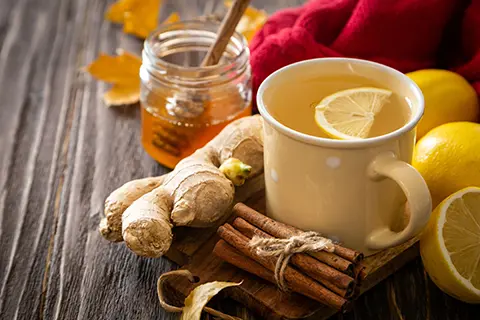
But one of the biggest reasons people microdose psilocybin is that it works with the body’s own neurochemistry. It doesn’t sedate, overstimulate, or fog you out. Instead, it sharpens and supports.
3. Microdose Capsules: Why Capsules Over Raw Mushrooms?
Sure, you could grind your own mushrooms and weigh them out each time. But let’s be honest: that’s a pain. Capsules solve a few key problems:
Consistency: Each dose is measured and even.
Discretion: Looks like a supplement, not a bag of shrooms.
Convenience: Pop a capsule, done.
No taste: No earthy mushroom flavor lingering in your mouth.
More importantly, capsules allow for enhanced formulations. That’s where blends come in. Adding herbs, mushrooms, and nootropics into the mix creates a synergistic effect that amplifies results.
4. Understanding Blends – What’s Inside the Capsule?
Many high-quality microdose capsules don’t just include psilocybin. They add other compounds that complement and enhance the experience. Here are some common additions:
Lion’s Mane: A functional mushroom that supports nerve growth and cognitive performance. Often paired with psilocybin to boost long-term brain benefits.
Cordyceps: Known for increasing stamina and cellular energy. Great for physical performance and endurance.
Reishi: A calming adaptogen that helps balance the immune system and reduce stress.
Ginseng: A traditional herb used to enhance mental clarity and physical energy.
Ashwagandha: Adaptogenic herb known to lower cortisol and support emotional stability.
Ginger or Black Pepper: Helps improve digestion and increase bioavailability.
These ingredients aren’t just filler. They’re carefully selected to align with specific goals. A blend meant to help with focus might emphasize Lion’s Mane and Ginseng. A calming blend might lean on Reishi and Ashwagandha.
5. ShroomBros.co and Our Unique Capsule Blends
ShroomBros.co is a standout in the microdosing scene, offering capsules that combine psilocybin with other beneficial compounds. What sets them apart is how they tailor each product to a specific effect.
Some notable blends include:
Focus Capsules: Aimed at mental performance. Contains psilocybin, Lion’s Mane, and Ginseng. Users report better concentration, sharper thinking, and improved workflow.
Calm Capsules: Designed for stress relief and emotional balance. This blend includes psilocybin, Reishi, and Ashwagandha. Perfect for winding down without sedation.
Energy Capsules: For a clean lift in energy. Combines psilocybin with Cordyceps and Rhodiola. Often used as a pre-workout or morning jumpstart.
Creativity Capsules: Meant to help with idea generation and artistic flow. Usually built around psilocybin, Lion’s Mane, and low-dose Ginkgo or Bacopa.
Users often find that blends make a big difference. While pure psilocybin capsules are effective, blends offer a more nuanced, layered effect. The supporting ingredients help smooth out the experience, reducing any tension or overstimulation.
Feedback on ShroomBros products often highlights their balance, clarity, and reliability. Many users report not just cognitive improvements, but deeper emotional shifts, like increased patience, better self-talk, or a sense of inner calm.
6. What to Expect: How It Feels to Microdose
So what does it actually feel like?
Most people don’t feel much right away. That’s the point. It’s subtle. You might feel a bit more present, a little more clear-headed, or slightly more upbeat.
On a good microdosing day, you might notice:
Easier flow in conversation or creative tasks
Less resistance to starting work
A sense of grounded optimism
Deeper appreciation for nature or music
More patience in difficult interactions
It’s not always immediate. Microdosing often works best over time. Think of it like tuning an instrument. After a few weeks, the benefits tend to stack up.
One of the most valuable tools in the process is tracking. Keeping a journal of how you feel, what dose you took, and what the day was like helps you dial in your routine. Everyone reacts a bit differently.
7. Finding Your Blend and Routine
The best way to microdose is to start small and stay consistent. Don’t chase effects. Let the routine do its thing.
If you’re using blends, match the product to your intention. Here are a few examples:
Need focus at work? Try a psilocybin + Lion’s Mane + Ginseng blend.
Dealing with anxiety or burnout? Go for psilocybin + Reishi + Ashwagandha.
Looking to energize mornings? Use a Cordyceps-based blend.
Sample beginner routine:
Week 1: 100mg capsule every third day (M/Th/Su)
Week 2: Adjust up or down based on response
Weeks 3-4: Continue, keep a journal
After a month, review how you feel. Some people stick with it. Others take breaks. The key is tuning into your own system.
Conclusion
Microdosing psilocybin is no longer a fringe concept. It’s becoming a practical, mindful way to support mental health, focus, and creativity. And microdose capsules make the process simple and sustainable.
By using blends, like those offered by ShroomBros.co, users can tailor their experience to their personal needs—whether that’s getting more done, feeling less stressed, or reconnecting with creativity. The power of psilocybin, when combined with other proven natural ingredients, offers something rare: clarity without chaos.
For anyone curious about unlocking better days with less effort, a microdose capsule might be the best small step to take.
Psychedelics are having a moment. But not in the party-scene sense—in the wellness world, the underground therapy community, the solo seekers turning inward with curiosity and care. Psilocybin, the active compound in magic mushrooms, is at the center of it all. And among the many ways people choose to consume it, one method is gaining popularity for good reason: shroom tea.
Mushroom tea isn’t new. Indigenous cultures have long brewed psychoactive plants into ceremonial drinks. But in modern circles, it’s getting attention for a simple reason: it makes the experience smoother, more comfortable, and often more meaningful.
Eating dried mushrooms can be rough. They taste bad, can hit hard and fast, and often cause stomach discomfort. Tea, on the other hand, offers a gentler way in. You still get the core benefits of psilocybin—insight, emotional clarity, connection—but with fewer of the drawbacks.
In this post, we’ll explore the real benefits of shroom tea. Not hype, not fantasy—just what it actually does better than eating whole mushrooms. If you’re new to psychedelics, or just looking for a better way to engage with them, this breakdown is for you.
1. Smooth Onset and Gentler Experience
One of the biggest complaints people have about eating mushrooms is how intense the onset can be. You chew dry caps and stems, your stomach turns a little, and 30–45 minutes later the wave hits—sometimes hard.
Shroom tea softens that ride.
The hot water extraction process breaks down the psilocybin and psilocin (the active compounds), making them easier for your body to absorb. Instead of having to digest the mushroom material, your system starts processing the alkaloids directly from the liquid. That leads to a smoother, more gradual come-up.
This slower climb changes the tone of the trip. The transition from baseline to altered state feels less jarring. You’re less likely to be caught off guard by a sudden emotional wave or a strong body load. For many, the experience feels cleaner—like easing into a bath instead of being thrown into cold water.
Another plus? Tea makes it easier to control your dose and pace. You can drink it slowly, over 10–20 minutes, even splitting your cup into two servings to ease in gently. That pacing helps reduce anxiety for first-timers or anyone who prefers to stay in the shallow end before diving deep.
2. Digestive Relief
Mushrooms, even non-psychedelic ones, are hard to digest. That’s because they contain chitin, a tough, fibrous substance that gives fungi their structure. Your body can’t break chitin down easily—especially not in its dried form.
When you eat whole magic mushrooms, your digestive system has to work overtime to process all that fibrous matter. That’s a big reason why nausea is such a common side effect.
Shroom tea fixes that.
When you brew the mushrooms, you’re steeping out the active compounds, but leaving most of the chitin behind. That means you get the effects without the bulk. The result? Way less nausea, bloating, or GI discomfort.
People with sensitive stomachs often find that tea is the only way they can take mushrooms without feeling sick. Even those who’ve had bad experiences with mushroom-induced nausea in the past report much better results when switching to tea.
And if you really want to play it safe, you can add anti-nausea herbs like ginger or peppermint to your brew. That not only helps your gut—it tastes a lot better, too.
3. Fast Absorption
If you’re short on time—or just don’t want to commit to a long, unpredictable trip—shroom tea gives you more control.
Because your body absorbs the psilocybin faster in liquid form, tea typically kicks in within 15–30 minutes. That’s nearly half the time it takes when you eat dried mushrooms.
This quicker onset has two advantages:
You know what you’re getting into sooner. No more waiting around wondering if the dose was too much or too little.
It shortens the overall trip duration. That can be useful for people who don’t want to spend an entire afternoon in altered states, especially during microdosing or intentional self-reflection.
Fast absorption also means it’s easier to stack your dose—taking a little more later if needed. With eating whole mushrooms, that timing is harder to manage, and redosing can be unreliable. With tea, it’s much more predictable.
4. Customizable Potency and Flavor
One of the biggest upsides to shroom tea is that you can make it your own.
Let’s start with potency. By controlling how long you steep the mushrooms—and whether you grind them, lemon-tek them (more on that in a sec), or boil the water versus just letting it steep—you can fine-tune the strength of your brew.
Want to intensify the experience? Try lemon tekking: soaking the ground mushrooms in lemon juice before adding hot water. The acidity helps convert psilocybin into psilocin, the compound your brain actually uses, which can lead to a quicker, more intense experience.
Want a gentler ride? Skip the lemon, use cooler water, steep briefly, and add calming herbs like chamomile or lavender. You can even split your dose into two separate teas—one for the initial come-up, one for the mid-trip.
Then there’s flavor. Dried mushrooms are notoriously unpleasant. Tea, on the other hand, can taste pretty good. Add honey, lemon, ginger, mint, turmeric, cinnamon—whatever fits the vibe. Not only do these improve taste, but many also support digestion and reduce anxiety.
This makes the ritual of preparing and drinking shroom tea more enjoyable, less like choking something down just to get high.
5. Easier Integration Into Rituals
One of the underrated benefits of shroom tea is how well it fits into ritual, routine, or intention-setting.
Tea is familiar. It’s something many of us already associate with mindfulness, rest, reflection. That makes it a perfect medium for intentional psychedelic use.
Whether you’re doing a solo inward journey, a microdose meditation, or a ceremony with close friends, tea gives you a centerpiece for the experience. You can slow down, breathe, set an intention, and sip. That pause before drinking can become its own meaningful moment.
This kind of integration—blending psychedelics into meaningful practices—is something many experienced users value deeply. The container matters as much as the compound. And tea helps shape that container.
Even socially, shroom tea works well. Instead of everyone chewing dried stems and awkwardly waiting for liftoff, you’re sharing a pot of something warm and soothing. It feels less clinical, more communal.
6. Ideal for Microdosing
Not everyone wants a full trip. For those exploring microdosing, shroom tea offers a convenient, consistent method.
You can brew a large batch, calculate the total dose, and store it in the fridge in small containers. This makes it easy to measure and dose out small amounts over days or weeks. It’s cleaner and more precise than trying to weigh out fractions of dried mushrooms.
Tea also blends easily into morning routines. Instead of popping a capsule or chewing a stem, you just sip a little bit of your microdose tea—maybe alongside your coffee or meditation practice.
It’s also easier on the stomach, which matters when you’re microdosing regularly. The minimal body load means you can get the benefits—like focus, mood lift, or creativity—without the fog or fatigue.
7. Less Intimidating for Newcomers
For a lot of people, psychedelics are scary. Especially the first time.
Shroom tea offers a softer entry point.
Something about tea—the warmth, the ritual, the comfort of sipping—makes the experience feel less foreign. Instead of biting into dry, musty mushrooms that look like something from a compost bin, you’re drinking a cup of herbal tea. That alone can reduce resistance and anxiety.
Physically, tea tends to bring less intense visuals and more of a body-centered, emotional experience. That’s not true for everyone, but many report feeling more grounded and less overwhelmed compared to eating whole mushrooms.
It’s also easier to pause. If halfway through drinking your tea you realize you’re not ready for a full dose, you can stop. You’re not committed to everything in your stomach.
That flexibility and familiarity make tea a great option for people who are curious, but cautious.
8. Taste and Texture
Let’s be real—mushrooms taste bad. Not just bad, but bad in a weird, moldy, earthy way that sticks around in your mouth.
Shroom tea sidesteps all that.
You’re not chewing anything. You’re not trying to swallow dusty stems or fight your gag reflex. You’re sipping a warm drink—one you can flavor however you want.
Strain the tea through cheesecloth or a fine mesh, and the texture becomes smooth. Add some honey or lemon, and suddenly it’s enjoyable. You might even forget you’re drinking a psychedelic brew.
And when something tastes good, your mindset improves. You’re more relaxed, less bracing for impact, and more open to what’s coming. That simple shift in mood can ripple through the entire experience.
Conclusion
Psilocybin has power. It can open doors, shift perspectives, help people heal or connect or simply feel more alive. But how you take it matters. And that’s where shroom tea stands out.
It’s not just about avoiding nausea or masking taste. It’s about creating a better, more intentional experience. Tea offers smoother onset, faster absorption, less stomach upset, and a more customizable, grounded vibe. It’s easier to microdose, simpler to share, and more inviting for newcomers.
For many, it’s the sweet spot—potent, but gentle.
If you’re exploring psychedelics as a tool for growth, creativity, or clarity, give tea a try. Respect the substance, respect the process, and let the ritual guide you.
Sometimes the best way to go deep… is to start with a simple cup of tea.
Shroom chocolate bars are a convenient and delicious way to consume psilocybin mushrooms, offering a smoother experience than eating dried mushrooms. Whether you’re a beginner or an experienced psychonaut, understanding their effects, onset time, and ideal dosage is crucial for a safe and enjoyable trip.
This guide covers everything you need to know about shroom chocolate bars, including how long they take to kick in, effects by dose, factors influencing the trip, and safety tips to enhance your experience.
II. What Are Shroom Chocolate Bars?
Shroom chocolate bars are edibles infused with psilocybin, the active compound in magic mushrooms. They combine the psychoactive properties of psilocybin with chocolate to create a tasty, easily dosed, and discreet alternative to raw mushrooms.
1. How They Are Made
Shroom chocolate bars typically contain:
Ground dried psilocybin mushrooms or psilocybin extract
High-quality chocolate to mask the earthy taste
Additional flavorings (nuts, caramel, or dark chocolate) in some products
Extract-Based Chocolate Bars – Use psilocybin extract for a smoother texture and precise dosing.
III. How Long Do Shroom Chocolate Bars Take to Kick In?
1. Typical Onset Time
The time it takes for shroom chocolate bars to kick in depends on several factors. Here’s a general timeline:
30-60 minutes – On an empty stomach
60-90 minutes – If taken after a meal
90-120 minutes – For people with slower metabolisms
2. Why the Onset Time Varies
Digestion: Psilocybin must be processed in the stomach before entering the bloodstream.
Chocolate’s Fat Content: Slows down digestion slightly but improves absorption.
Metabolism Differences: Some people process psilocybin faster than others.
3. How Long Do the Effects Last?
Peak Effects: 2-3 hours after ingestion
Total Duration: 4-6 hours
Afterglow Effects: 6-12 hours post-trip
IV. Effects of Shroom Chocolate Bars
1. The Science of Psilocybin in Chocolate
Psilocybin is converted to psilocin, which interacts with serotonin receptors (5-HT2A) in the brain. Chocolate may enhance absorption by providing healthy fats that aid in bioavailability.
VII. Tips for a Safe and Enjoyable Shroom Chocolate Trip
1. Start With a Low Dose
New users should start with 0.5g – 1g and increase gradually.
2. Choose a Safe and Comfortable Setting
Best locations: Home, nature, private space
Avoid crowds and loud environments
3. Stay Hydrated but Avoid Overdrinking
Sipping water throughout the trip helps with comfort and clarity.
4. Have a Trip Sitter for Higher Doses
A sober or experienced friend can guide you through difficult moments.
5. Avoid Mixing with Other Substances
Alcohol can cause dizziness and nausea
Cannabis may intensify visuals or anxiety
6. Prepare for the Come Down
Light food, herbal tea, and relaxing music can ease the transition back to baseline.
VIII. Common FAQs About Shroom Chocolate Bars
1. Do shroom chocolate bars expire?
Yes. Store them in a cool, dark place to preserve potency.
2. Can you build a tolerance to shroom chocolates?
Yes. Waiting 1-2 weeks between trips prevents diminished effects.
3. How do shroom chocolate bars compare to LSD?
Psilocybin: More emotional and introspective
LSD: More energetic and mentally stimulating
4. Can you microdose with shroom chocolates?
Yes. Many people cut bars into 0.1-0.3g portions for daily microdosing.
5. Are shroom chocolate bars addictive?
No. Psilocybin is non-addictive and has potential mental health benefits.
IX. Final Thoughts
Shroom chocolate bars offer a delicious, convenient, and accurately dosed way to experience psilocybin. Effects typically kick in within 30-90 minutes and last 4-6 hours, depending on dosage and individual metabolism.
For the best experience:
Start with a low dose
Choose a safe and comfortable setting
Have a trip sitter for higher doses
By respecting the substance and taking the right precautions, you can maximize the transformative benefits of psilocybin while ensuring a safe and enjoyable journey.