African Transkei
Sold as a cubensis, now shown to be its own species.
A 2026 paper in Proceedings of the Royal Society B (van der Merwe, Bradshaw, Dentinger, Tremble and Sharp) described Psilocybe ochraceocentrata, a new species from the grasslands of South Africa and Zimbabwe that grows on cattle dung, as the closest free-living relative of P. cubensis.
The usual story is that it was found growing on dung in the shade of a tree on South Africa's Wild Coast in 2002, by a collector nobody names.
Where African Transkei comes from
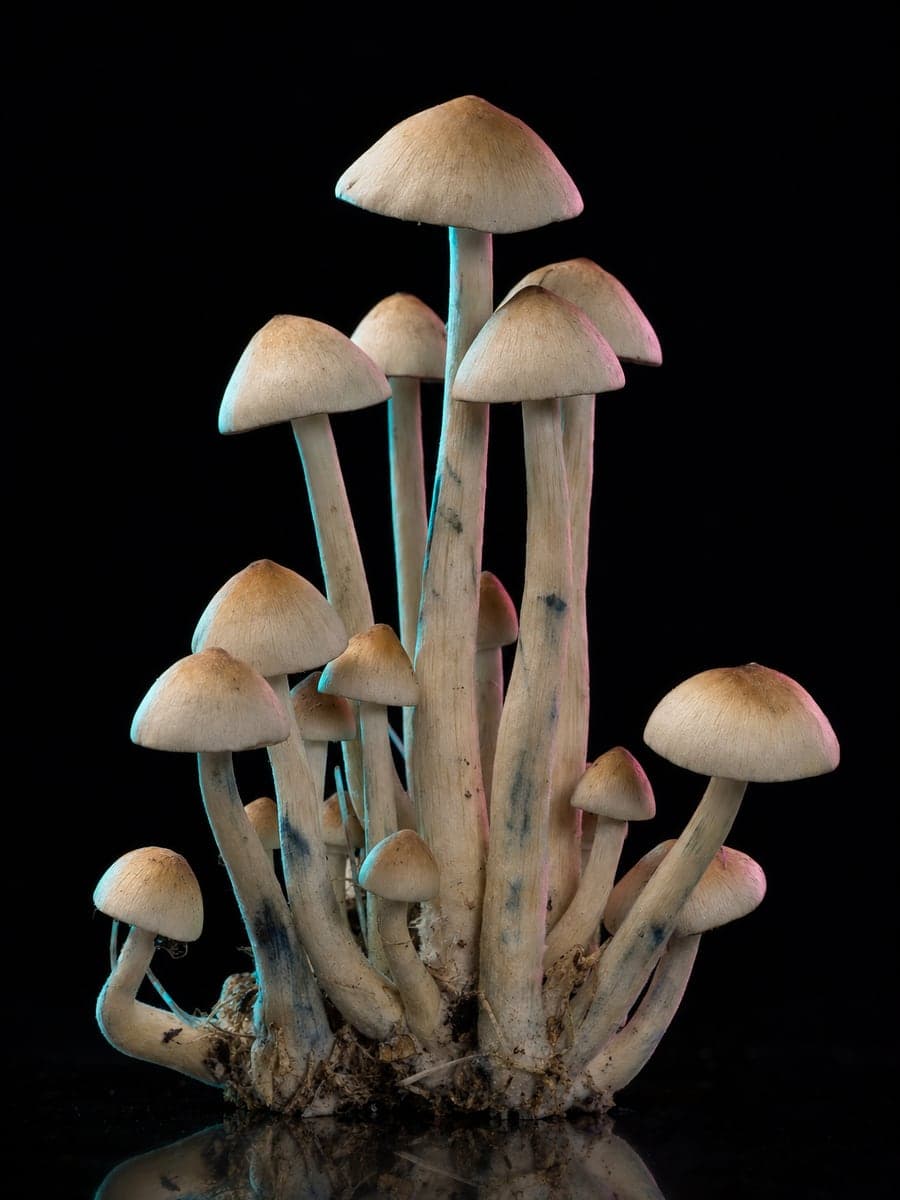
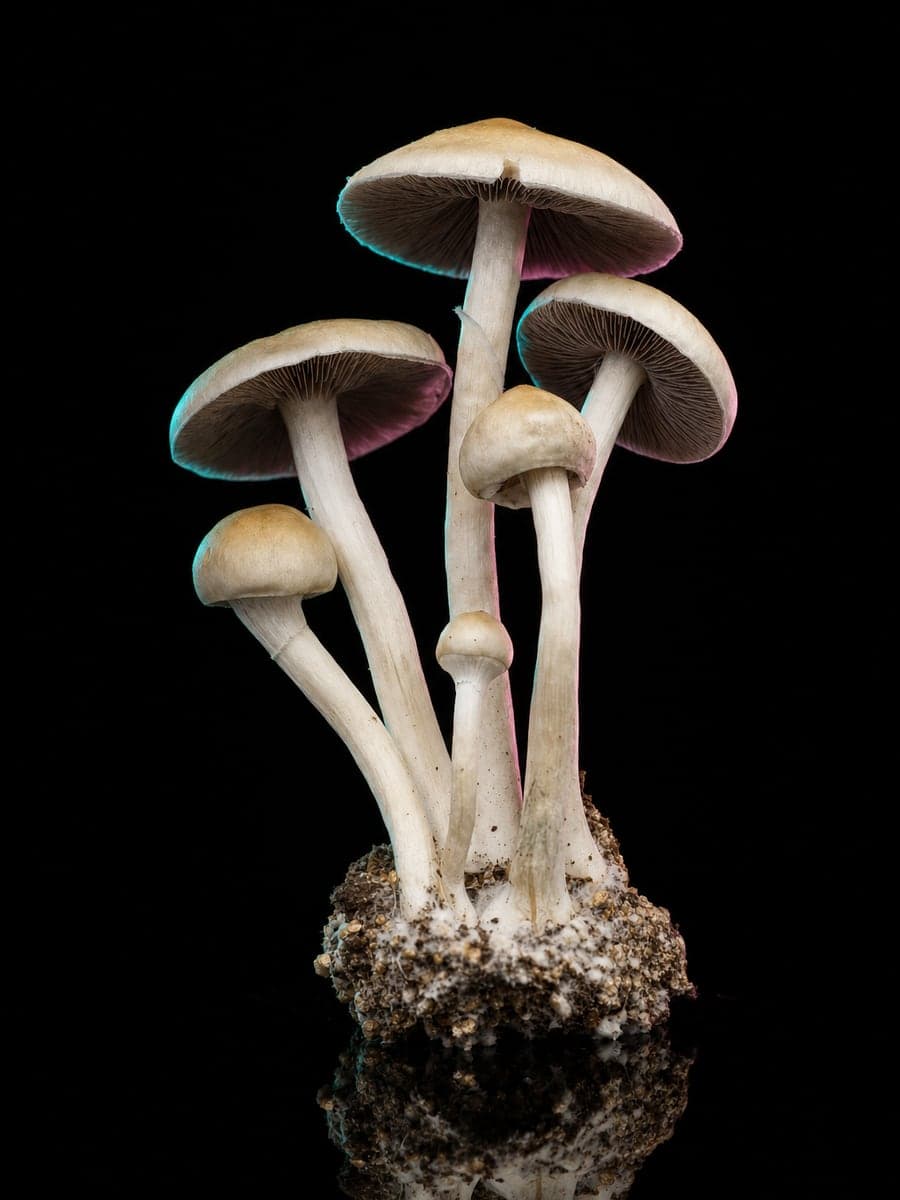
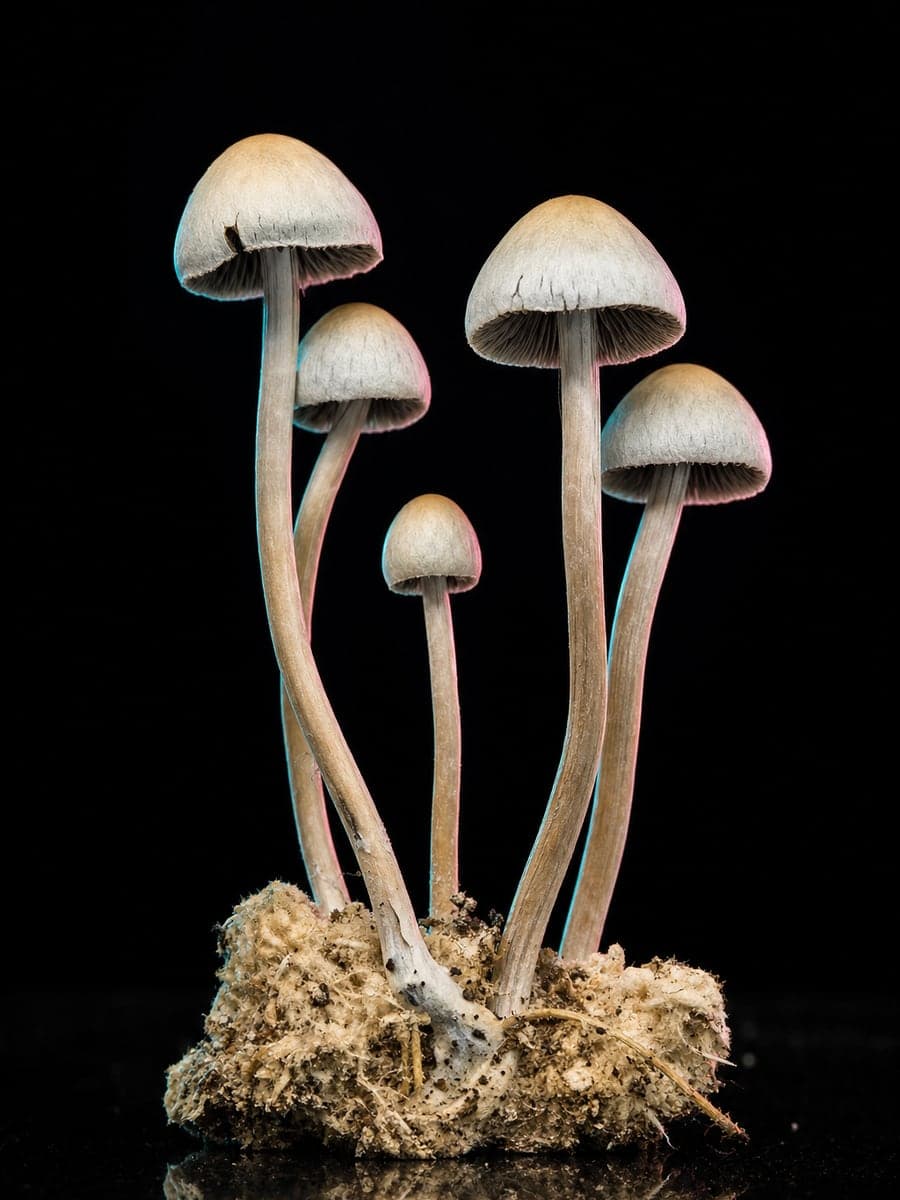
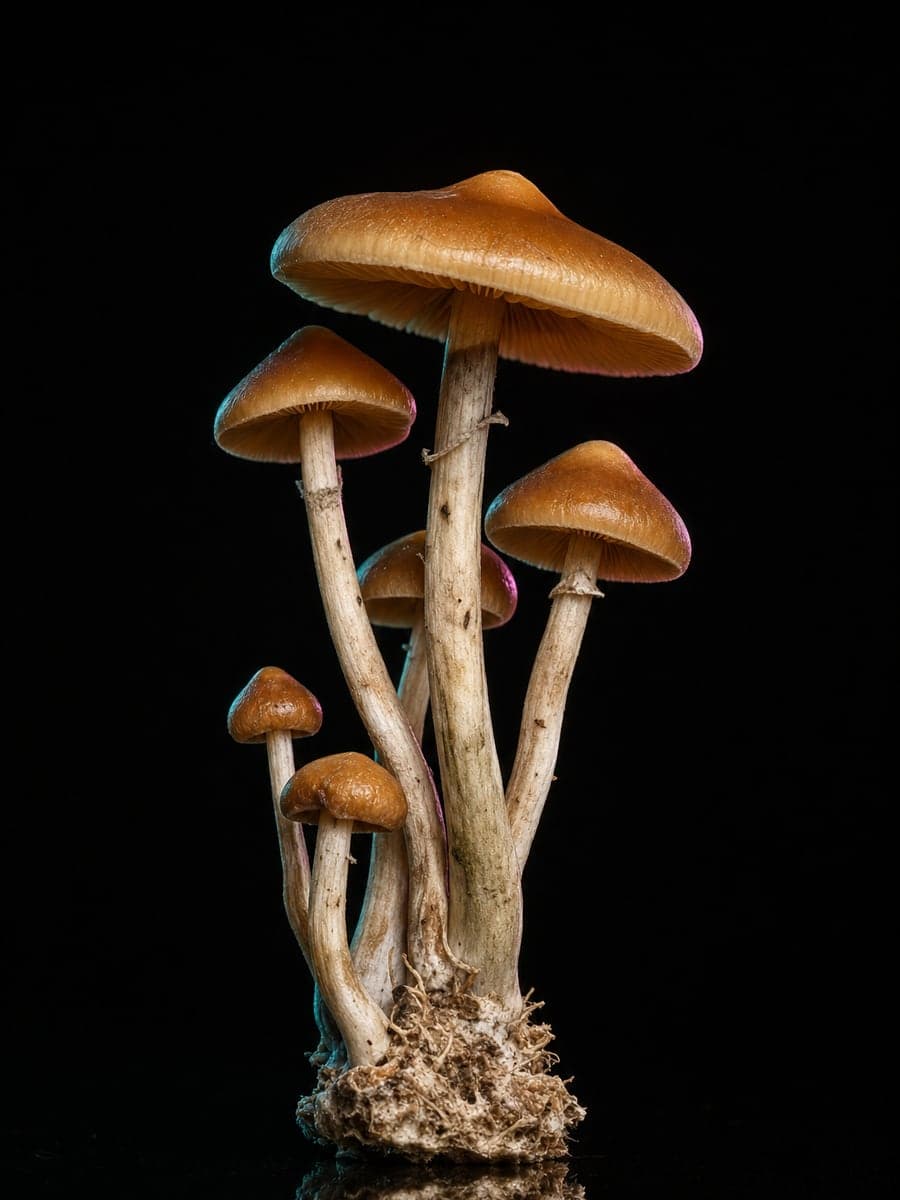
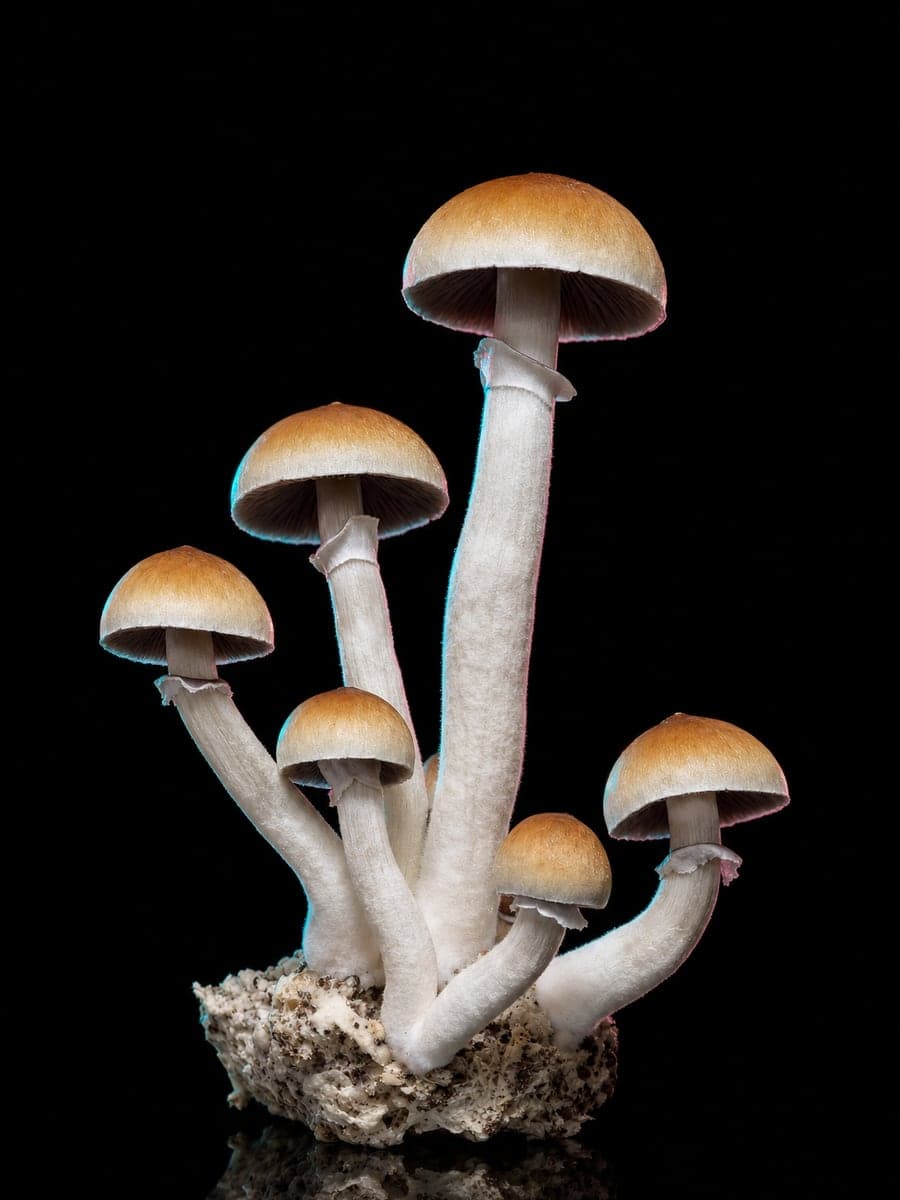
African Transkei is a culture from South Africa's Eastern Cape that growers have long sold as a Psilocybe cubensis strain. A 2026 study in Proceedings of the Royal Society B found that cultures sold as Transkei and NSS (Natal Super Strength) are in fact Psilocybe ochraceocentrata, a newly described African species and the closest wild relative of P. cubensis. It looks much like an ordinary cubensis, with brown caps and pale stems.
- Origin
- Eastern Cape, South Africa, near the former Transkei region (reported) · Spores circulating by the early 2000s (reported)
- Family
- Other species · Africa · Uncommon
- Lineage
- Not a cross: a culture from a wild South African collection, now placed in its own species.
A 2026 paper in Proceedings of the Royal Society B (van der Merwe, Bradshaw, Dentinger, Tremble and Sharp) described Psilocybe ochraceocentrata, a new species from the grasslands of South Africa and Zimbabwe that grows on cattle dung, as the closest free-living relative of P. cubensis.
EurekAlert: Stellenbosch University press release on the Proceedings B paper (10 March 2026)Popular Science: 'New psychedelic fungus rewrites origins of magic mushrooms' (2026)The study reports that the cultures grown worldwide under the names Transkei and NSS (Natal Super Strength) belong to this new species, not to P. cubensis. Until then, nobody had realised they were a separate species.
EurekAlert: Stellenbosch University press release (10 March 2026)Popular Science: 'New psychedelic fungus rewrites origins of magic mushrooms' (2026)According to the researchers, P. ochraceocentrata and P. cubensis last shared a common ancestor about 1.5 million years ago, and although they look alike they differ genetically, ecologically and chemically.
EurekAlert: Stellenbosch University press release (10 March 2026)Popular Science: 'New psychedelic fungus rewrites origins of magic mushrooms' (2026)The species was described from herbarium specimens sent by Cathy Sharp of the Natural History Museum of Zimbabwe, collected in South Africa in 2011 and in Zimbabwe in 1995.
Clark University news: 'Discovering a magic mushroom was no trick' (2025)Spore vendors describe the strain as found in coastal grasslands of the Eastern Cape near the Transkei region, with spores available abroad from the early 2000s. Shroomery's community strain list notes only that it is reportedly from South Africa and not well documented.
Basidium Equilibrium: African Transkei bio (vendor page)Zombie Mushrooms: South African Transkei (vendor page)Shroomery forum: 'A Huge List of Psilocybe Cubensis Variety description' (LulzSwag, 2022–24)
The usual story is that it was found growing on dung in the shade of a tree on South Africa's Wild Coast in 2002, by a collector nobody names.
Sellers like to say the name Transkei means 'the area beyond', after the former homeland where it was found.
What it looks like
- Caps
- Medium brown to golden-caramel, darker and ochre at the centre, rounded at first then opening flat.
- Stems
- Pale to white, fairly slender to medium, often long.
- Notes
- Researchers say it looks very much like P. cubensis; the species name refers to the ochre-yellow centre of the cap. Purple-brown spore print.
- Growing
- Growers know it as easy to grow and productive, which is part of why it spread so widely as a cubensis strain.
How it is described
Transkei has a long-standing reputation among growers as a potent culture that is easy to grow; the lead researcher on the 2026 study described it in those terms. Users often describe a clear visual trip with a noticeable body feel.
Based on: Reputation as reported by the 2026 study's lead author and vendor write-ups; no published potency measurement for the cultivated strain found.
African Transkei, asked and answered
Where does the African Transkei strain come from?
From South Africa's Eastern Cape, near the former Transkei region, according to vendors. Who collected it and when is not documented, though spores were circulating by the early 2000s.
Is African Transkei really Psilocybe cubensis?
Apparently not. A 2026 study in Proceedings of the Royal Society B found that cultures sold as Transkei and NSS belong to a separate, newly described species, Psilocybe ochraceocentrata, the closest wild relative of P. cubensis.
What does African Transkei look like?
Much like a classic cubensis: medium brown to caramel caps with a darker ochre centre, opening flat, on pale, fairly long stems.
Is African Transkei strong?
It has a reputation for being quite potent, and the researchers who named the species repeat that reputation. No published lab measurement of the strain was found, and strength varies between grows.
The Shroomdex records history and reputation, not advice: how a strain is described is never a promise of how it will feel, and nothing here is medical advice. Strength varies from batch to batch. Start low and see our dose calculator. Never forage from a website: deadly look-alikes grow wild.