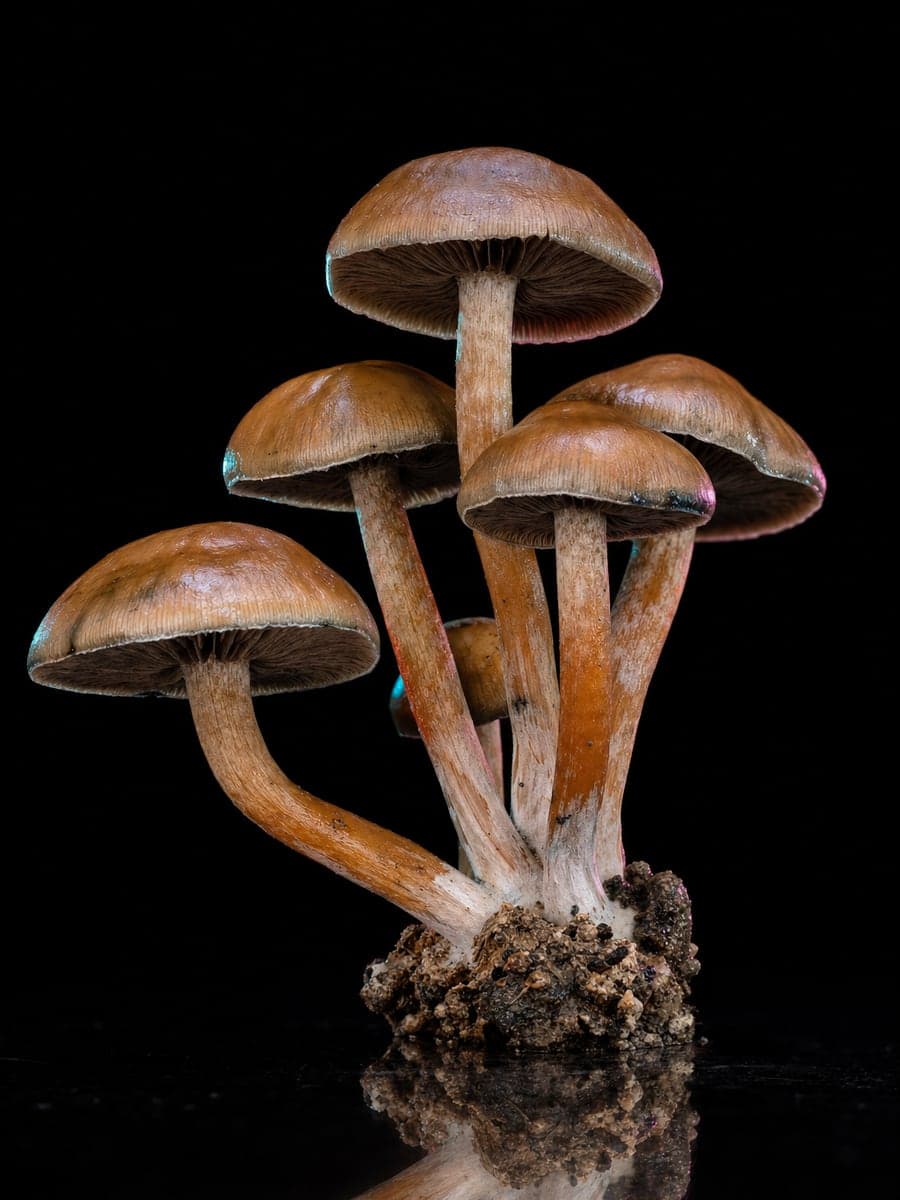
Psilocybe caerulescens
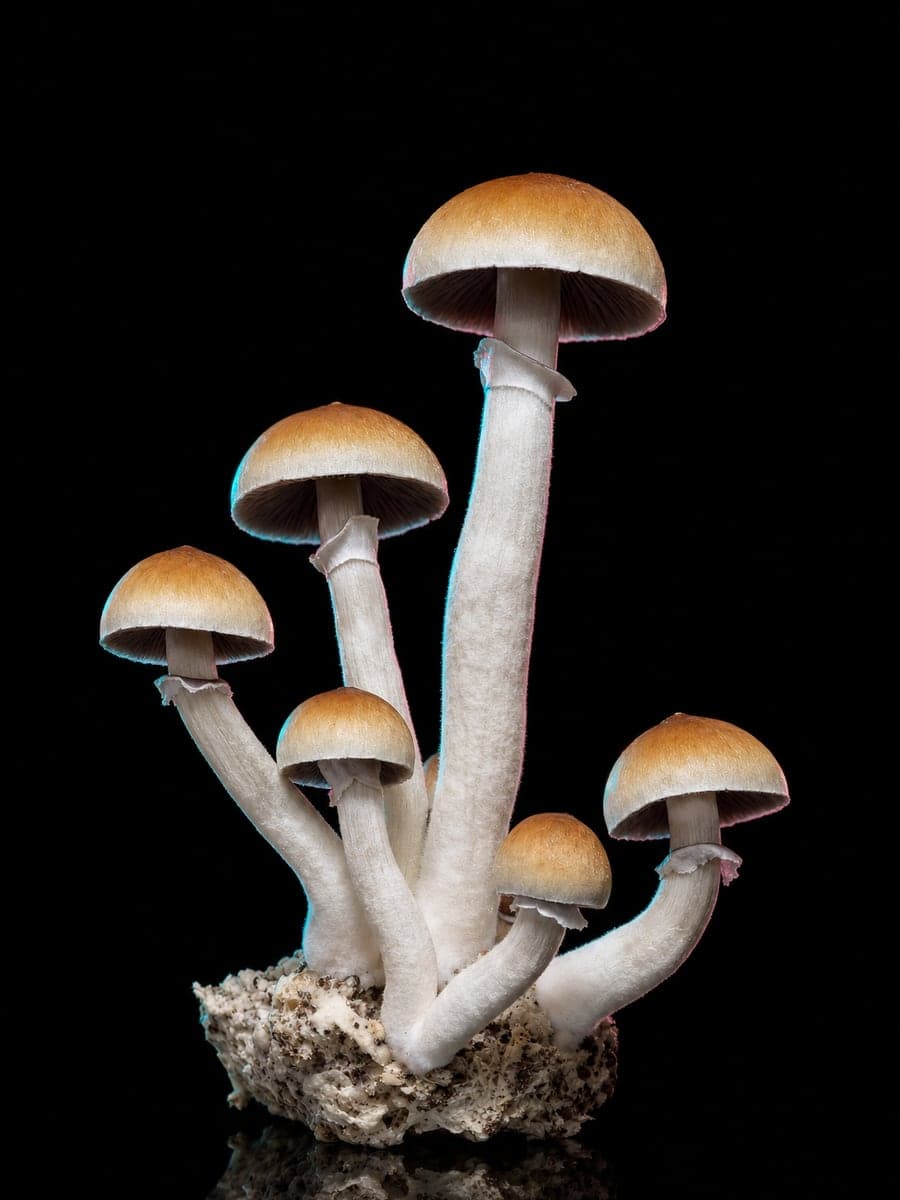
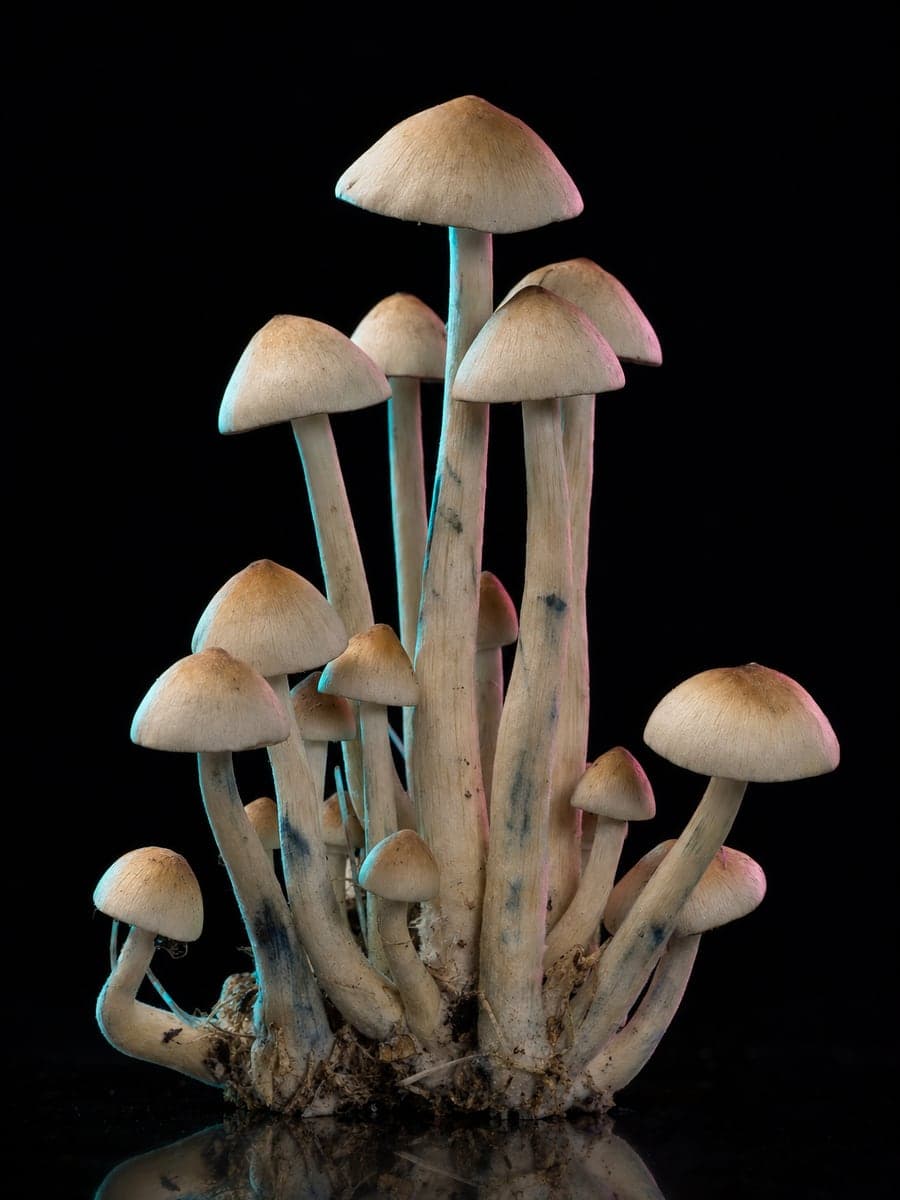
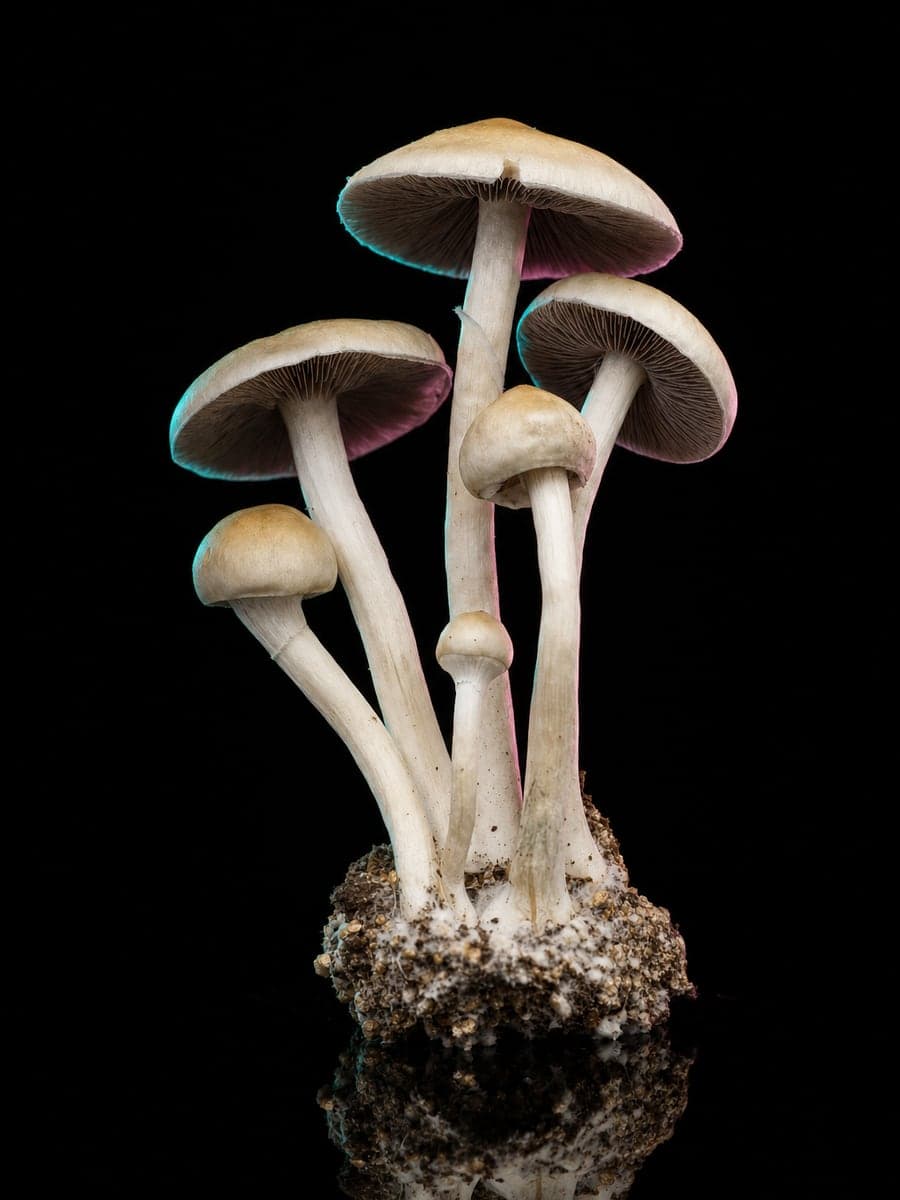
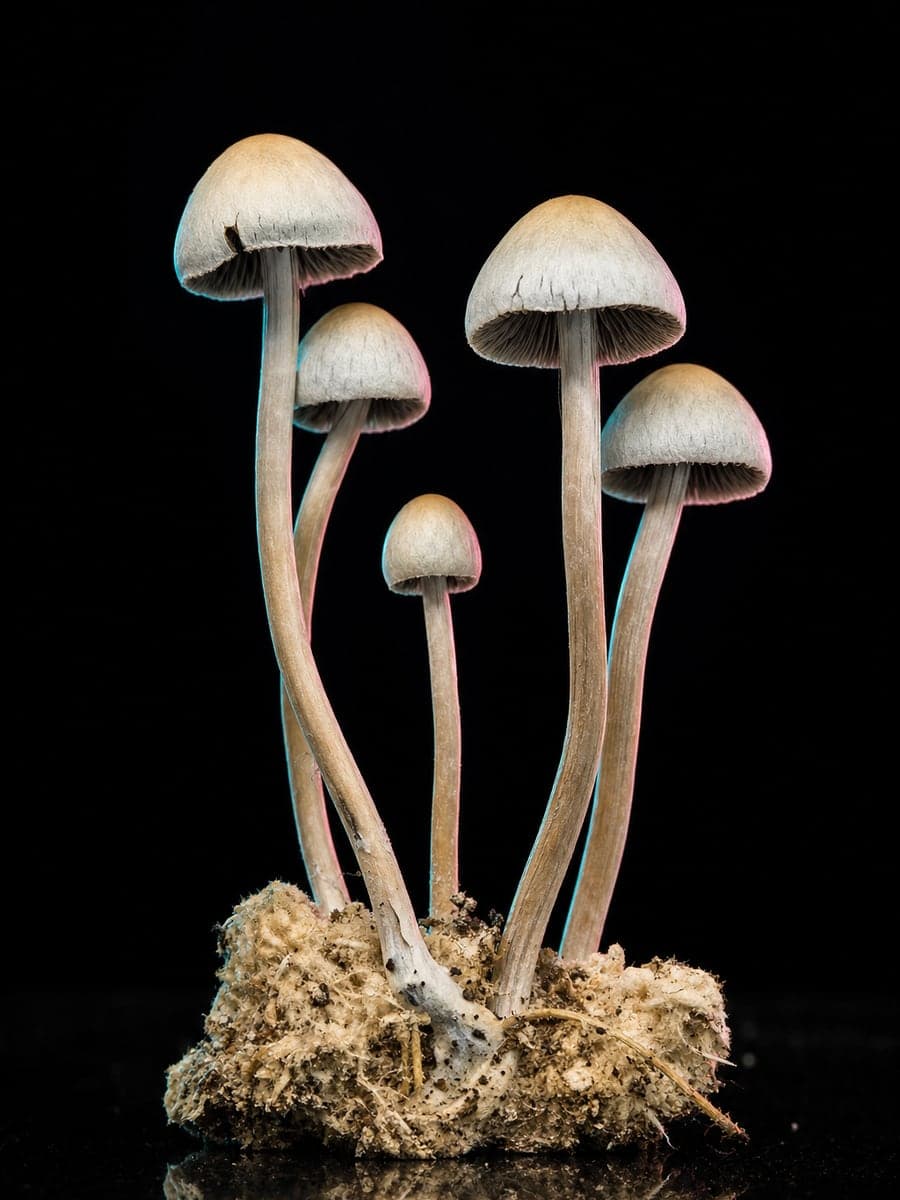
The Mazatec landslide mushroom, with a silvery sheen.
William Murrill described it in 1923 from near Montgomery, Alabama, where it grew on sugarcane mulch; it was not found there again afterwards.
Collectors say Stamets named the Georgia population P. weilii believing it new, before it was matched to the Mexican species.
Where Psilocybe caerulescens comes from
Psilocybe caerulescens is a fairly large psilocybin mushroom of disturbed, muddy ground, known in Mexico as derrumbe, the landslide mushroom. William Murrill described it in 1923 from Alabama, and it is one of the sacred mushrooms of the Mazatec of Oaxaca. It is a wild mushroom with deadly look-alikes.
- Origin
- Mexico and Central America (records from Jalisco, Colima and Costa Rica), with populations in the south-eastern United States such as northern Georgia; type collected near Montgomery, Alabama · Described 1923 (Murrill)
- Family
- Other species · Americas · Rare
- Lineage
- A species, not a cultivated strain. Many former names, including P. mazatecorum and P. weilii, are now treated as synonyms.
William Murrill described it in 1923 from near Montgomery, Alabama, where it grew on sugarcane mulch; it was not found there again afterwards.
Wikipedia: Psilocybe caerulescens (pointer to Murrill 1923, Mycologia 15: 1–22)It grows in groups or clusters from June to October on disturbed, muddy orange-brown soil with woody debris, often in sunny spots with little plant cover, which is where the name 'landslide mushroom' (derrumbe) comes from.
Wikipedia: Psilocybe caerulescensIt is an important sacred mushroom of the Mazatec, still used by healers, and was used by the Nahua of Necaxa and, in the past, the Totonac. R. Gordon Wasson ate it in Mexico, as he described in his 1957 Life magazine article.
Wikipedia: Psilocybe caerulescens (pointer to Guzmán 1960 and 2008, Stresser-Péan & Heim 1960, Wasson 1957)Psilocybe weilii, described from Georgia, is listed as a synonym of P. caerulescens. Paul Stamets' potency chart, reproduced by Erowid, gives P. weilii 0.61% psilocybin, 0.27% psilocin and 0.05% baeocystin, close to the figures for cubensis.
Wikipedia: Psilocybe caerulescens (synonym list)Erowid: comparative potency chart (from Stamets, Psilocybin Mushrooms of the World)A spore vendor's Georgia collections came from red clay soils near loblolly pine and sweet gum in Clayton County, along the edges of maintained parks.
InoculateTheWorld: Psilocybe caerulescens spore print (vendor page)
Collectors say Stamets named the Georgia population P. weilii believing it new, before it was matched to the Mexican species.
What it looks like
- Caps
- 3–7 cm, sometimes 10; convex to bluntly bell-shaped with an incurved edge, often with a low bump; slimy when wet, yellowish to reddish brown with a silvery-blue metallic lustre, drying straw-yellow.
- Stems
- Fairly stout, 5–9 cm by 8–10 mm, hollow, whitish to reddish brown or blackish.
- Notes
- Bruises blue readily. A well-developed veil leaves no lasting ring. Strong mealy smell, like cucumber. Spore print purple-brown. Colour and shape vary widely.
How it is described
Psilocybe caerulescens is described as quite potent and is valued as a ceremonial mushroom in Oaxaca. The one set of figures found, for its synonym P. weilii, sits close to cubensis.
Based on: Wikipedia's general description and the P. weilii row of Stamets' chart via Erowid; no trip-report consensus.
Psilocybe caerulescens, asked and answered
Where does Psilocybe caerulescens come from?
Mexico and Central America, with populations in the south-eastern United States such as northern Georgia. It was first described from Alabama in 1923.
What does Psilocybe caerulescens look like?
A fairly large mushroom with a slimy, reddish- to yellowish-brown cap that often has a silvery-blue sheen, on a stout pale to dark stem. It bruises blue readily and smells of cucumber or flour.
Is Psilocybe caerulescens strong?
It is described as quite potent. The only figures found are old ones for its synonym P. weilii, at about 0.6% psilocybin, close to cubensis.
Can I pick Psilocybe caerulescens in the wild?
It is a wild mushroom, and many brown mushrooms, some of them deadly, look alike. Never pick a wild mushroom to eat from a picture; only an expert identification can tell them apart.
The Shroomdex records history and reputation, not advice: how a strain is described is never a promise of how it will feel, and nothing here is medical advice. Strength varies from batch to batch. Start low and see our dose calculator. Never forage from a website: deadly look-alikes grow wild.