



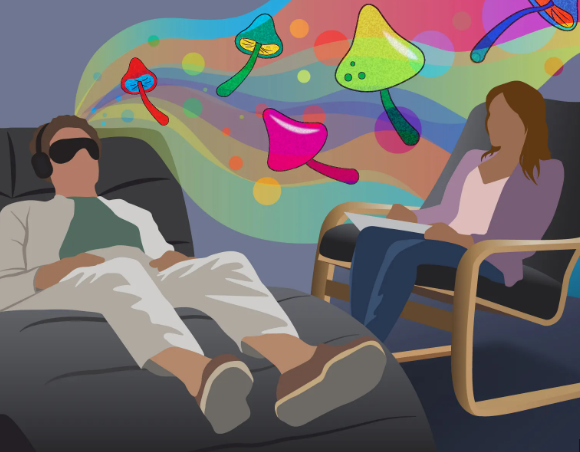
Most “trip sitter advice” online is either too vague (“just be supportive”) or too dramatic (“be a shaman”). In real life, the best sitters usually aren’t performing wisdom—they’re running a calm environment like a quiet stage crew while someone else is doing hard inner work.
This playbook is built for readability: 15 concrete behaviors you can actually execute, plus a few high-value add-ons—music strategy, lighting rules, when to speak, when silence wins, and what to do when the experience gets bumpy.
For foundational reading, pair this with: How to Be a Good Trip Sitter for Magic Mushroom Experiences and The Do’s & Don’ts for a Magic Mushroom Trip.
Disclaimer: Educational and harm-reduction information only. Not medical advice. If someone may be a danger to themselves or others, or appears medically unwell, seek emergency help.
What a Trip Sitter Is Actually Optimizing For
Altered states often amplify sensory load, social complexity, and uncertainty. Your job is to reduce those three variables without taking control of the traveler’s inner process.
Think in outcomes:
- Safety: prevent injury, dehydration, wandering into unsafe situations, and medical emergencies.
- Predictability: stable lighting, stable sound, stable emotional tone from you.
- Agency: support their choices when they’re coherent; don’t steer their psyche.
If you remember only one line: You are not the director of the trip. You are the stage crew.
Before Anything Starts: A 10-Minute Sitter Setup (Worth It)
These aren’t “behaviors” during the trip, but they make the behaviors work:
- Clean the main room (clutter reads as “noise” to a heightened brain).
- Pre-stage water (easy lid, stable cup, spill-friendly placement).
- Temperature check (slightly warm beats slightly cold for many people).
- Bathroom clarity (door unlocked path, nightlight if needed).
- Interception plan for roommates, pets, deliveries, and phones.
Also decide sober what “escalation” means for your group—when to call a trusted third person, when to seek medical help. Deciding while altered is harder.
The Playbook: 15 Concrete Behaviors
Each item below includes what to do, why it helps, and a quick common mistake to avoid.
1) Pre-brief signals and boundaries (so language doesn’t fail later)
What to do: Agree on simple signals for quiet, company, and physical contact (yes / no / ask each time). Agree whether you’ll suggest leaving the house (often best avoided unless planned).
Why it helps: At peak intensity, complex negotiation feels impossible. Signals compress decisions.
Common mistake: Vague reassurance (“I’m here if you need anything”) without concrete options.
2) Default to quiet presence during the steepest windows
What to do: During the most intense come-up/peak stretches, treat silence + availability as the default. Sit where they can see you if that comforts them—or sit nearby if they prefer eyes-closed darkness.
Why it helps: Many people become hyper-attuned to tone, subtext, and “being interpreted.” Too much talking can feel like surveillance.
Common mistake: Filling silence because you’re nervous. Your boredom is not their problem to solve.
3) Use short acknowledgments instead of speeches
What to do: Keep lines brief and repeatable: “You’re safe.” “I’m with you.” “This will pass.”
Why it helps: Long monologues add cognitive load and can sound like you’re trying to “logic” them out of an experience that isn’t primarily logical.
Common mistake: Teaching philosophy mid-peak. Even if it’s true, it’s poorly timed.
4) Ask one question at a time—never stack questions
What to do: Ask a single yes/no question: “Want a blanket?” Wait. Accept no.
Why it helps: Stacked questions force multitasking while multitasking feels broken.
Common mistake: “Do you want water or tea, are you cold, should we change the music, are you hungry?”
5) Avoid “why” questions while they’re altered
What to do: Replace “Why are you scared?” with concrete offers: lower lights, slower music, blanket, fresh air (if safe and agreed), bathroom escort.
Why it helps: “Why” prompts analysis; many people need stabilization first.
Common mistake: Investigative interviewing that accidentally turns the trip into a performance.
6) Run music like a DJ who hates surprises
What to do: Build three playlists ahead of time:
- Grounding: minimal lyrical complexity, steady tempo, gentle dynamics
- Open: still controlled—avoid chaotic transitions
- Landing: warm, simple, “human world returning” energy
Also pre-check: ads off, autoplay off, explicit “live concert” crowd noise avoided unless they love it.
Why it helps: Music is a remote control for arousal. You’re managing nervous system bandwidth.
Common mistake: Showing off your eclectic taste. This is not your personal concert.
7) Lighting: dimmable, warm, indirect—no rave mode unless requested
What to do: Prefer lamps over harsh overheads. Warm color temperature. Indirect bounce light beats pointing a bright bulb at someone’s face.
Why it helps: Visual complexity and flicker can feed loops and unease.
Common mistake: RGB color storms or strobes because they look cool online.
8) Reduce visual “noise” in the room
What to do: Hide clutter, blinking router lights, messy stacks, chaotic posters if the room feels aggressive. Close unrelated tabs on TV/laptop.
Why it helps: Pattern recognition ramps up; the environment becomes part of the content.
Common mistake: Leaving chaotic visuals up because “it’s their apartment.” You can still tidy the session space.
9) Phones silenced for everyone in the space
What to do: Silent mode, face-down, no random TikTok beside someone peaking unless they request a specific clip/song.
Why it helps: Notifications are micro-startles; startles scale badly.
Common mistake: The sitter scrolling while the traveler feels “watched.”
10) Offer water and simple food without pressure
What to do: Keep water visible and reachable. Offer simple foods (fruit, toast). If they decline, accept it calmly.
Why it helps: Dehydration and low blood sugar can worsen discomfort—but forcing intake can worsen distress.
Common mistake: Parental nagging. Offer once, wait, offer later.
11) Bathroom support: respectful proximity
What to do: If they want help, many people prefer you wait outside the door (unless you’ve agreed otherwise). Keep instructions simple: “I’m right here.”
Why it helps: Bathrooms can feel disorienting; proximity reduces panic without crowding.
Common mistake: Jokes or playful commentary while they’re vulnerable.
12) Treat temperature as a first-line intervention
What to do: Socks, blanket, room temp tweak, offer a warm mug to hold (even herbal tea if appropriate).
Why it helps: Cold hands/feet can cascade into somatic worry.
Common mistake: Ignoring physical discomfort while trying to talk them through it.
13) If distress rises, change one channel at a time
What to do: Choose one lever: music OR lighting OR room change OR fresh air (if safe). Wait a few minutes. Reassess.
Why it helps: Multiple simultaneous changes can feel like the world is “escalating.”
Common mistake: Panic-redesigning the entire environment in five minutes.
14) Validate emotions without arguing about content
What to do: Reflect the feeling: “That sounds overwhelming.” Stabilize the body: “You’re safe here.” Offer a concrete next step: “Want the lights lower?”
Why it helps: Debating unusual thoughts mid-trip rarely resolves them—and can increase shame.
Common mistake: Fact-checking their perceptions like a courtroom.
15) Know the emergency threshold—and use it if needed
What to do: If you see signs of medical emergency, self-harm, violence, or a sustained inability to stay oriented that isn’t improving with calm support, call emergency services. A sitter’s job includes real-world safety, not “handling everything in-house.”
Why it helps: Some situations are not psychological “difficulty”—they’re emergencies.
Common mistake: Pride. Don’t risk someone’s life to avoid “making a scene.”
Quick Reference: When to Speak vs When to Stay Quiet
| Situation | Default move | What to say (examples) |
|---|---|---|
| Peak intensity, eyes closed | Quiet presence | (none unless spoken to) |
| They ask a direct question | Short honest answers | “Yes.” / “I don’t know.” / “In about an hour, usually.” |
| Fear without a clear request | Stabilize body + environment | “You’re safe. I’m here. Want a blanket?” |
| Looping questions | Same calm answer each time | Don’t improvise new explanations every loop |
| They want connection | Gentle conversation at their pace | Follow their topic; don’t redirect to your agenda |
Handling Common Bumpy Moments (Short Playbooks)
Nausea or GI discomfort
- Reduce smells (food prep, incense).
- Offer water; keep a bin nearby just in case.
- Calm, boring posture from you—no frantic energy.
Time distortion (“Is it forever?”)
- Don’t debate time philosophically.
- Offer a simple anchor: “It’s been about X minutes since you took it.” (Only if you actually know.)
Paranoia directed at you (“You’re plotting”)
- Lower defensiveness. Slow voice.
- Offer transparency + choice: “I can sit farther away. Want me outside the door?”
They want the music off—then silence feels too loud
- Try ultra-soft ambient bed at very low volume, or gentle room tone (fan/hum) if available—still no surprises.
Three “Pro Moves” That Separate Good Sitters from Great Ones
A) You regulate your own nervous system on purpose
Slow breathing, slower movements, softer volume, wider gaps between sentences. Your physiology is contagious.
B) You manage logistics like a professional
Doorbells, pets, roommates, food delivery—intercept the outside world so the traveler doesn’t have to negotiate reality.
C) You save debriefing for later
Mid-trip “meaning extraction” can pressure people. Notes are fine; deep analysis is often better after sleep.
Optional: A Small “Sitter Bag” (Simple Items)
- Electrolyte packets + water
- Light snacks (plain, low odor)
- Wet wipes / tissues
- Clean socks
- Eye mask (only if they want it)
- Charging cable (for their phone if needed—used minimally)
Frequently Asked Questions
Should the sitter be completely sober?
For best judgment and safety, yes. The sitter is the baseline anchor.
What if they want me to talk the whole time?
Follow their lead—but keep your turns shorter than usual. Let them steer topics.
What if I’m getting overwhelmed?
Tag in a second sober person if possible. If not, slow your body down first (breath, shoulders), then simplify the environment.
The Bottom Line
Great trip sitting is mostly boring competence: predictable environment, gentle voice, short sentences, thoughtful music, stable lighting, and the wisdom to stay quiet while someone navigates the experience.
Want more? Browse our Magic Mushroom Blog.
Buy The Best Magic Mushrooms Online in Canada (19+)
Disclaimer: Educational content only. Not medical advice. If someone is in danger or medically unwell, seek professional emergency assistance.