


Last updated: 2026
The trip feels over. The room looks normal again. And yet—sleep after psilocybin does not always arrive on command.
Many people describe the same pattern: mentally wired for hours after the peak, then crashed the next day. This guide explains why sleep after mushrooms can be difficult, what the wired-then-crashed arc usually looks like, and practical ways to support rest without turning the landing into another battle.
Educational harm reduction only—not medical advice. If sleep disruption is severe or persistent, talk to a qualified clinician.
Related: Driving & Next-Day Safety, Psilocybin Integration: First 72 Hours, How Long Do Shrooms Last?.
Disclaimer: Educational content only. Not medical advice.
The Wired-Then-Crashed Pattern: What People Mean
When users say they feel wired then crashed after psilocybin, they usually mean two phases:
- Wired (same night): tired body, active mind—racing thoughts, emotional replay, light sensitivity, “tired but not sleepy”
- Crashed (next day): heavy fatigue, brain fog, emotional tenderness, low motivation—even if the trip felt beautiful
That pattern is common enough to be worth planning for like you plan music or sitter support. Sleep is not a footnote to the session—it is part of recovery and integration.
Why Sleep After Psilocybin Is Hard (Even When the Trip Is “Over”)
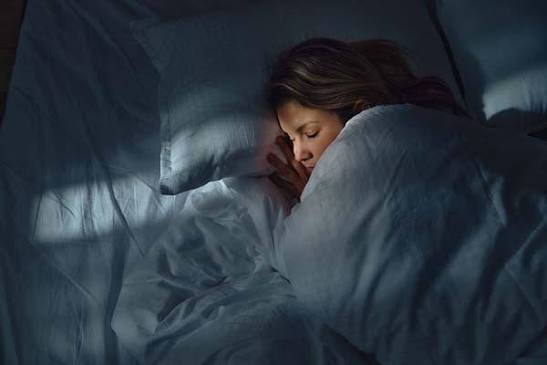
1) Your nervous system may still be activated
Psilocybin experiences can involve hours of emotional and sensory intensity. Even when subjective effects fade, the body may still be in a heightened state—similar to how you can feel keyed up after a concert, argument, or intense workout, except the internal content is weirder and harder to “turn off.”
Clinical psychedelic research emphasizes preparation and supportive environments because acute experiences strongly affect post-session state (Johns Hopkins Center for Psychedelic Research).
2) The mind stays associative when you want sequential sleep
During the comedown and afterglow, many people report:
- looping memories from the session
- sudden insight bursts (“I should text everyone / fix my life tonight”)
- heightened meaning attached to ordinary thoughts
That mental activation is one reason sleep after mushrooms gets delayed—not because you are still “tripping,” but because your brain has not downshifted into sleep mode.
3) Duration and timing push bedtime later
Many oral psilocybin sessions last roughly 4–6 hours of obvious effects for moderate doses, sometimes longer—especially with edibles or higher doses (How Long Do Shrooms Last?; pharmacokinetics: Hasler et al.).
If you dose at 8 p.m., “normal bedtime” may arrive before your mind feels done processing. You are trying to sleep during the integration window, not after it.
4) Physical leftovers: nausea, temperature swings, restlessness
Residual GI discomfort, mild headache, dehydration, or temperature dysregulation can keep sleep shallow. Prep helps: Mushroom Trip Food Prep, Nausea & Food Timing.
5) Substance stacking makes sleep worse
Alcohol, cannabis, caffeine late in the session, or redosing can all disrupt the landing phase (Cannabis + Psilocybin; Alcohol + Psilocybin; Redosing Too Soon).
Hour-by-Hour: Sleep After Psilocybin the Same Night
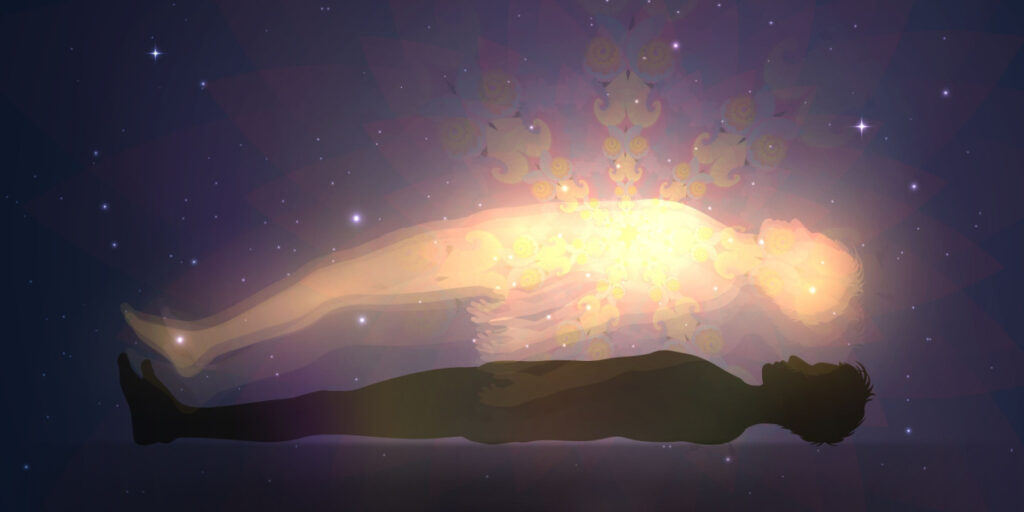
General map for a moderate evening session—not a rule for every body.
Hours 0–6: Active session
Sleep is usually unrealistic during peak and early comedown. Plan accordingly—don’t expect to “just go to bed” mid-arc.
Hours 6–10: The “wired” zone
Many people feel physically tired but mentally lit. This is where people doom-scroll, over-journal, or replay the trip audio-visually with eyes closed.
Goal: downshift stimulation, not solve your life.
Hours 10–14+: First sleep attempt
Some fall asleep here; others lie awake until early morning. Both happen. Fighting insomnia aggressively often prolongs it (Sleep Foundation on insomnia basics).
The Next-Day Crash: Why You Can Feel Wrecked After “Good Trips”
Sleep after psilocybin quality strongly shapes the next day. Even a positive session can leave you:
- short on total sleep
- short on deep sleep if you slept lightly or late
- emotionally open and depleted at the same time
- physically tired from hours of sympathetic arousal
That “crash” is not proof something went wrong. It is often the bill for a long nervous-system event plus poor sleep timing.
This overlaps with integration day 1: First 72 Hours Integration Guide.
Neuroplasticity discussions sometimes highlight post-session windows for reflection—but brains still need sleep to consolidate (Psilocybin & Neuroplasticity; general sleep-memory literature: NIH Brain Basics: Sleep).
Practical Sleep Support After Psilocybin (Same Night)
These are gentle behavioral supports—not promises, not medical prescriptions.
Environment
- dim lights 1–2 hours before attempting sleep
- cool, quiet room; fan/hum if silence feels too loud
- phone on do-not-disturb (not in hand)
- remove harsh overhead LEDs
Body
- small sips of water; light snack if hungry (toast, banana, broth)
- warm shower or wash face/hands (ritual downshift)
- gentle stretching—not intense exercise that reactivates you
Mind
- Cap journaling (10–20 minutes, then stop—integration continues tomorrow)
- avoid big life decisions at 2 a.m.
- if thoughts loop, try slow exhale-focused breathing
- accept awake rest if sleep will not come—fighting it often worsens it
What usually does not help same-night sleep
- more psilocybin or cannabis to “knock you out”
- alcohol as a sedative
- large caffeine “because I’m tired tomorrow”
- intense trip recap group chats
Can’t Sleep After Shrooms? Common Mistakes
- Expecting instant sleep the minute visuals fade
- Scheduling early morning obligations after an evening session
- Redosing late and restarting the clock (Redosing Guide)
- Using screens as a pacifier (blue light + content stimulation)
- Treating afterglow insight as urgent homework due before dawn
- Interpreting insomnia as “the trip ruined me” instead of a common landing effect
Dose, Format, and How They Change Sleep After Mushrooms
Higher doses
More intensity → longer processing → later sleep. High-dose timelines: 5 Grams Minute-by-Minute.
Moderate/beginner doses
Still can delay sleep via come-up anxiety and afterglow. See 1–2 Gram Timeline.
Edibles/chocolate
Delayed onset and longer tails can push the wired phase later into the night (Edible Dosing Math).
Lemon tek
Compressed timelines may end earlier—but intensity can still leave mental activation (Lemon Tek Guide).
LSD comparison (if relevant to your audience)
LSD often lasts longer than psilocybin; sleep disruption can extend further (LSD Hour-by-Hour Breakdown).
Microdosing and Sleep: A Different Conversation
Some microdosers report better mood/focus; others report insomnia or restless nights—especially if dosing late in the day or stacking too frequently. Spacing and morning timing matter. Read: Microdosing 101 and Tolerance.
Full-dose sleep issues and microdose sleep issues are related in name only—don’t assume the same fixes apply.
Sleep After Psilocybin and Safety: Driving, Work, Childcare
Poor sleep the first night can impair attention the next day even when you feel “mostly fine.” That matters for driving, work, and caregiving.
Conservative planning:
- no same-day driving after an evening session
- light schedule the day after if possible
- treat grogginess as real impairment—not a character flaw
Full guide: How Long After Psilocybin Can You Drive?
When Poor Sleep After Psilocybin Deserves Extra Attention
One rough night after a session is common. Consider professional support if you notice:
- severe or persistent insomnia beyond a few nights
- panic that does not settle with rest and support
- ongoing perceptual disturbances (see also long-term effects discussions)
- worsening mood that feels disconnected from ordinary recovery
This article cannot diagnose you. It can only normalize the common wired/crashed pattern and flag when “common” may not fit.
72-Hour Sleep Recovery Plan (Simple)
Night 0 (session night): low light, hydration, short journal, no substance stacking, accept delayed sleep
Day 1: wake time as normal as possible, sunlight walk, nap optional but short, no late caffeine
Day 2: regular meals, gentle movement, resume routines slowly
Day 3: assess sleep trend; integration actions, not more psychedelics
Integration hub: Psilocybin Integration Guide.
Frequently Asked Questions
Is it normal to feel wired after psilocybin?
Yes for many people. Mental activation during comedown/afterglow is a frequent report, even when visuals are gone.
How long until I can sleep after mushrooms?
Highly variable. Some sleep within hours of comedown; others lie awake until morning—especially after late sessions, edibles, or redosing.
Why do I feel depressed or flat the day after?
Sleep debt, emotional processing, and nervous system fatigue can all contribute. It does not always mean the trip was “bad.”
Will melatonin or sleep aids help?
Some people use OTC aids; interactions and next-day grogginess vary. We are not recommending specific products—ask a clinician if you use medications or have health conditions.
Does cannabis help sleep after psilocybin?
Sometimes people fall asleep; other times cannabis adds anxiety or fog. It is an unpredictable add-on (Cannabis + Psilocybin).
Can a trip sitter help with post-session sleep?
Yes—by reducing stimulation, offering water/blanket, keeping the space calm, and avoiding long intense debriefs late at night (Trip Sitter Playbook).
The Bottom Line
Sleep after psilocybin often follows a wired-then-crashed rhythm: an activated mind when your body wants rest, then next-day fatigue when life still expects you to function. Plan for it like part of the session—protect the landing, keep stimulation low, avoid substance stacking, and give yourself a gentle day after.
Rest is not the opposite of integration. It is how integration actually sticks.
More guides: Magic Mushroom Blog · Prep: Do’s & Don’ts.
Sources
- Hasler F. et al. — Psilocybin/psilocin pharmacokinetics — PubMed
- Johns Hopkins Center for Psychedelic Research — hopkinsmedicine.org
- Sleep Foundation — insomnia overview — sleepfoundation.org
- NIH — Brain Basics: Understanding Sleep — ninds.nih.gov
- Psilocybin overview — Wikipedia
Disclaimer: Educational harm reduction only. Not medical advice. Seek qualified care for persistent sleep or mental health concerns.