
How to Lemon-Tek your Magic Mushrooms

Answered on this page:

  • What is lemon-tekking?
  • Does lemon-tekking make shrooms come on faster?
  • Why does lemon-tekking work?
  • Can I do lemon-tek with limes?

In an earlier article, we discussed alternative options for consuming psilocybe mushrooms; for as much as we all love them, the flavour and texture can leave a lot to be desired. Thankfully, there are other options available, and none of them seem to have gotten as much attention in recent years as lemon-tekking.

Lemon-tekking refers to the process of leaving your shrooms to soak in citric acid (typically from a lemon) before consuming them. There are a number of potential benefits to taking your shrooms this way, including a faster onset and possibly stronger immediate effects as well as minimizing the nausea that tends to crop up as a side effect to taking shrooms.

The onset and effects can be faster and stronger when lemon-tekking, so it isn’t recommended for people who are just starting out with taking shrooms. You may also want to lessen your dose the first time you try lemon-tekking to see how differently it affects you.

There’s a lot to discuss today, so let’s dive in!

History

While this process has not been studied in isolation, the history of mycology contains several studies that touch on the relationship between acidic environments and the dephosphorylation of psilocybin. We’ll go through a few of these studies and evaluate the historical context of the procedure before going into the chemistry and trying to understand how exactly this works.

Authors: Philip Catalfomo and V. E. Tyler, Jr.

Journal of Publication: Drug Plant Laboratory, University of Washington

Date of Publication: 1964

Summary: Our first study comes from the 1960s, and is one of the first to really start experimenting with the formation of psilocin out of psilocybin. The authors tested the process in a variety of different mediums, and found that a relatively dilute (roughly pH 4-4.5) acetic acid was the medium that seemed to lead to the most production of psilocin. They also found that the higher the pH of the solution, the lower the overall content of psilocybin. This suggests acidic mediums as a good way to kickstart the processing of psilocybin into psilocin.

Authors: J. F. Casale

Journal of Publication: Journal of Forensic Sciences

Date of Publication: February 1985

Summary: The second study came about twenty years after the first, and establishes a fairly clear and straightforward system for extracting psilocin from Psilocybe mushrooms. Using a similar medium to our first study (pH 4.0 acetic acid), the authors discovered that the agitation, temperature, and acidic environment led to the complete dephosphorylation of psilocybin into psilocin. The acid being used in these studies is comparatively diluted, but the strength of the reaction is a very positive sign.

Authors: R. C. Van Orden

Journal of Publication: ProQuest Dissertations and Theses

Date of Publication: April 2008

Summary: Our last study found that the best solution for the extraction of psilocin was a mixture of acidic methanol and citric acid. The citric acid was found to be a necessity for the extraction of psilocin and not just psilocybin, and that roughly 50/50 mixtures were the best for extracting both psilocybin and psilocin. The author found that higher concentrations of citric acid tended to lead to higher proportions of psilocin as compared to psilocybin. This suggests that the greater acidity of the citrate helps to start the dephosphorylation process.

Chemistry

Why exactly this works is still a bit of a mystery, but we know that psilocybin is a prodrug and that through the removal of one phosphate group (a process called dephosphorylation) it forms psilocin, the neurologically active, psychedelic part of the mushrooms. This happens through two separate biological processes, with the acidic environment of the stomach responsible for the majority of the production of psilocin. This is also why onset of effects tends to take a little while after taking shrooms, as they need to be processed in the stomach before they can start to provide their psychedelic effects.

The concentration of the citric acid that you’d find in lime or lemon juice (a pH of roughly 2-2.5) is fairly similar to the environment of the stomach, where your gastric acids sit at a pH of roughly 1.5-2. The acidic environment of the lemon or lime juice thus begins the dephosphorylation of the psilocybin and makes the psilocin bioavailable without needing to digest the mushrooms first. This significantly shortens the onset time and makes it easier for the body to directly absorb the psilocin.

Lemon juice also has powerful antioxidant benefits through both the presence of vitamin C and through its flavonoids, which could help to prevent the oxidation of psilocybin that leads to the characteristic blueing of the mushrooms. Psilocin starts to disappear in oxidation reactions, so it is possible that the antioxidant aspects of the citric acid could help to slow down the oxidation purpose and ensure that more of the psilocybin is available for processing.

But lemon-tekking also helps to make the mushrooms more palatable by grinding them down before consumption. The cell walls of mushrooms are made up of chitin, which no vertebrate animals can naturally produce the necessary enzymes to breakdown. This is why people tend not to eat raw mushrooms, as the stomach can have significant difficulties try to process the chitin. Grinding them down beforehand makes them easier to digest, and anecdotally lemon-tekking seems to reduce the incidence rates of nausea from taking mushrooms.

So, all put together, soaking your shrooms in lemon or lime juice before consumption seems to increase the rate of absorption of psilocin (and thus shorten the onset time), reduce the rate of oxidation of psilocybin to ensure potency, and to decrease the incidence of nausea as a side effect of taking shrooms. If that sounds like as much of a win-win to you as it does to us, read on for more information about the process!

In this guide, we will be using lemon/lime juice fairly interchangeably as they have very similar natural qualities. Feel free to use whichever you’d prefer, but stick to one of those two citrus fruits; the others aren’t quite acidic enough to get the effect that we’re looking for.

How to Lemon-Tek

Lemon-tekking is fairly simple, and you don’t need much equipment to get it done. 

Materials Required

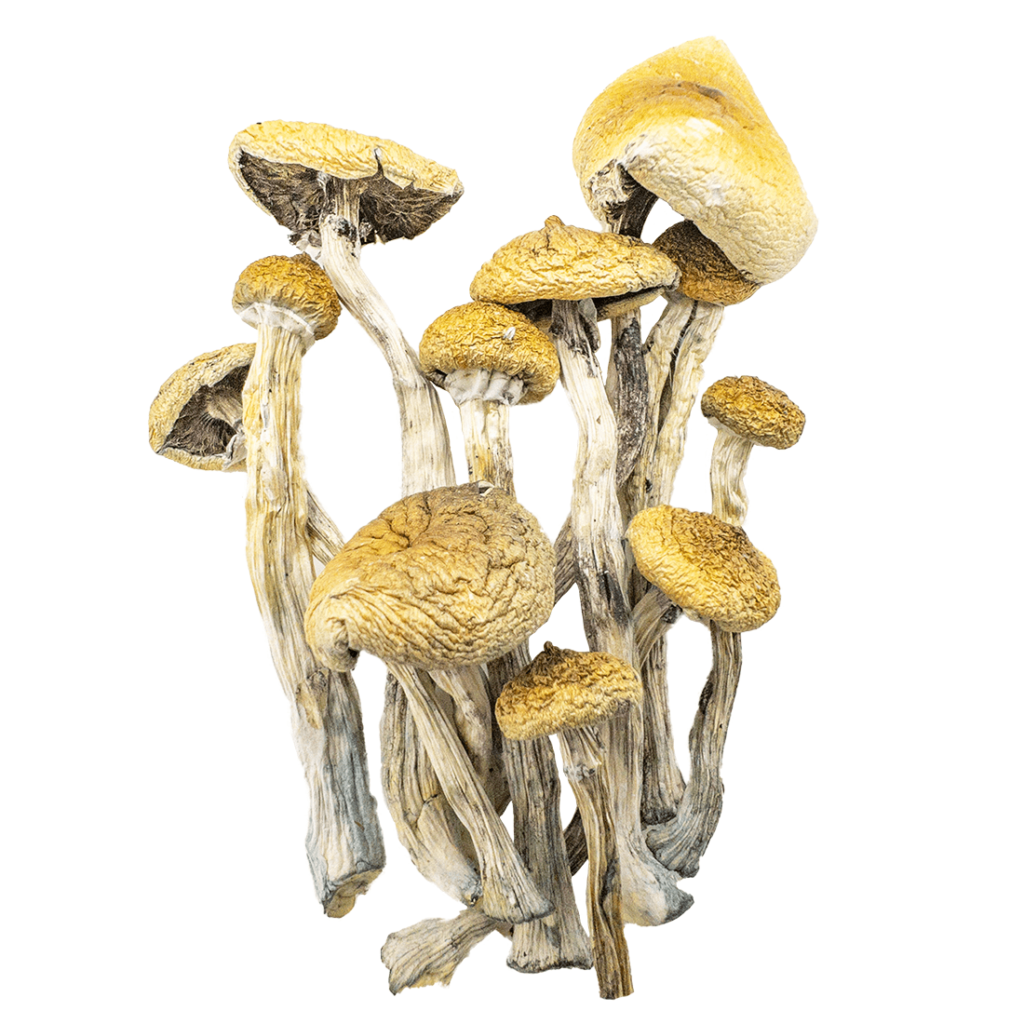
  • Your psilocybin mushrooms of choice
  • A cannabis grinder
  • A small glass
  • The juice of 1-2 lemons or limes
  • (Optionally) A cheese cloth or filter of some sort

Procedure

  1. Grind your mushrooms down into a fine powder with your grinder (a coffee grinder could also work for this) and then place them in the glass.
  2. Cover the powder completely in your lemon or lime juice.
  3. Leave the solution to sit for 15-20 minutes, stirring occasionally.
  4. (Optional) If nausea was your main incentive for lemon-tekking, you can use the cheese cloth in order to strain the liquid out. While the particulate may still have psilocybin in it, the majority should be bioavailable in the liquid, and the mushrooms themselves are what is likely to cause a nauseous reaction.
  5. You can either down the solution as a shot, or mix it into some water to dilute it. You could even mix it into a cup of tea (as long as the water is only hot and not boiling!)

Conclusion

All in all, the benefits of lemon-tekking are fairly clear. It makes the effects come on faster (and potentially stronger), and minimizes the chances of nausea and indigestion as a result, especially if you strain out the remains of the mushroom powder afterwards. Be careful when experimenting with new formulations, as you don’t know how exactly they’ll affect you, and try to ensure a pleasant setting for your first experience with lemon-tekking. Beyond that, enjoy your trips!

How to Take Psilocybin Without Eating Mushrooms

How to take psilocybin without eating mushrooms?


Questions answered on this page:

  • Why do shrooms make me nauseous?
  • Taking psilocybin without eating mushrooms?
  • What is lemon-tek?
  • Can I make shroom tea?
  • How to make shroom edibles?


Eating mushrooms isn’t for everyone.

With the rise of people looking into mushrooms and psilocybin, there has also been an increase in people looking for alternatives to just eating the mushrooms. While magic mushrooms are well-known and well-loved for their psychedelic and euphoric effects, they’re not well known for their scintillating flavours or texture.

Mushrooms are also well known for some of their side effects, including nausea and vomiting. This is especially so when consumed with nothing else in the stomach, which is the most effective way to make psilocybin bioavailable.

Consequently, people have tried a variety of different methods for making mushrooms more palatable, and have created entirely new ways of consuming psilocybin. In this article, we’ll be talking about some of the best alternatives to consuming mushrooms for the psychonauts with more discerning palate.


Psilocybin primer
The stems and caps of magic mushrooms have varying concentrations of psilocybin, but psilocybin is not itself a psychedelically active compound. Instead, when exposed to the acidic environment of the stomach, psilocybin begins a process of conversion into psilocin via a process called dephosphorylation.

With the aid of digestive enzymes, psilocybin and psilocin are absorbed through the stomach lining before being processed by the liver—studies done on animals have shown that about 50% of consumed psilocybin is processed in this way.

Onset of effects tends to take roughly half an hour, and effects peak between one and a half and two and a half hours. Other studies done on the pharmacology of psilocybin have confirmed this interval (and shown its dramatic decline in the following hours), as well as confirming the roughly 50% rate of absorption.

Nausea is a frequently occurring side effect to eating mushrooms partially because the body has difficulty breaking down the chitin that makes up the cell wall of all fungi. This study showed inflammation of some part of the gastroesophageal tract in the majority of participants. This effect can be mitigated to some degree by heat as the cell wall starts to degrade.

To best avoid the unpleasant taste and texture and to mitigate the nauseous effect as much as possible, we would recommend a few alternative options for consumption.

Other options to explore
Tea

Making shroom tea is a fantastic way of avoiding some of the more disagreeable aspects of consuming shrooms. This has the side benefit of making the onset period slightly faster, as shrooms are absorbed faster by the body when broken down ahead of time. Simply grind the shrooms into a powder and then pour hot water over and leave it to steep for 10-15 minutes.

You can add flavouring as you’d like (honey, ginger, or a tea bag are good places to start), and it should make for a much more enjoyable experience.


Now, how hot the water should be is a good question. There are two studies that we found that really explore the effect of temperature on psilocybin, so we’ll go through their findings below and evaluate.

  1. Psilocybin: Characterization of the Metastable Zone Width (MSZW), Control of Anhydrous Polymorphs, and Particle Size Distribution (PSD)

Authors: Robert B. Kargbo, Alexander M. Sherwood, Poncho Meisenheimer, Kelsey Lenoch, and Solomon Abebe

Journal of Publication: American Chemical Society

Date of Publication: February 7, 2022

Overview: Our first study found that while powdered and stored in solution, hydrolysis of psilocybin begins at roughly 70° Celsius. This suggests that water should be kept below a boil when making tea, as higher water temperatures increase the rate of hydrolysis and consequently reduce the potency of the shrooms.

  1. Stability of psilocybin and its four analogs in the biomass of the psychotropic mushroom Psilocybe cubensis

Authors: Klára Gotvaldová, Kateřina Hájková, Jan Borovička, Radek Jurok, Petra Cihlářová, Martin Kuchař

Journal of Publication: Drug Testing and Analysis

Date of Publication: October 29, 2020

Overview: This study also began with dried and powdered mushrooms, and then subjected them to a variety of tests to check its stability under different conditions. One of those tests shows the effect of temperature change on psilocybin concentration. The experimenters exposed the powdered shrooms to heat ranging from 25° Celsius to 150° Celsius and measured the reduction of psilocybin over half an hour. The effect on potency between 25 and 125 degrees Celsius was found to be relatively minor, losing roughly 15% of the psilocybin by volume over the half an hour. Between 125 and 150 degrees was a very different story, with a roughly 80% drop in potency through this interval. This suggests that moderate drying heats are the best bet for protecting the psilocybin through the process.

There is a balance to be struck—too much exposure to heat will begin to degrade the psilocybin, but insufficient heat for drying purposes will lead to oxidation, the characteristic blue bruising that can occasionally be seen on shrooms.

Buy Magic Mushroom Tea

Edibles

As we’ve discussed, heat is a problem for psilocybin, which means that you don’t want to include mushrooms in your cooking process. They work great as a garnish for a finished meal (sprinkle some mushrooms over a completed pasta dish), but they can also be made into chocolate or gummies with molds. Consuming them with food can also help to reduce the nauseous effect that digestion tends to have. Experiment and be creative—shrooms can add a lot to your enjoyment of a dish!

Buy Magic Mushroom Gummies
Buy Magic Mushroom Chocolates

Capsules

With nothing but a grinder, empty capsules, and a capsule filling machine, you can make your own discreet pills to take whenever you’d like. This helps to avoid the taste and texture of the mushrooms, but it should also be easier to maintain consistency of dosage when making capsules. If you’re looking for a quick and easy way to go on your trip, look no further than capsules.

Buy Magic Mushroom Capsules

Lemon-tek
Lemon-tek refers to the mixing of shrooms with lemon/lime juice. The idea is that citric acid mimics the acidic environment of the stomach and starts to catalyze the psilocybin into psilocin before you even consume it.

While the science is still a little unclear, evidence suggests that this leads to a faster onset but also potentially synergistic, strengthening effects from the increased bioavailability of psilocin afterwards.
One study illustrates this effect by showing the biosynthesis of psilocybin when stored In an acidic solution, though less acidic than citric acid (pH 4.8 vs. pH 3.0).

More research is needed in this field to better understand the mechanism of effect, but anecdotal evidence suggests that lemon-tek leads to a faster onset, and also helps to reduce the nausea that tends to be one of the primary deterrents to taking shrooms.

Buy Lemon-tek Capsules


Summary

Eating mushrooms isn’t the only way to get your fill of psilocybin, and the variety of alternative means available to you can really help to mitigate some of the negative side effects of consuming shrooms. Particularly, you can avoid the bad taste and texture, as well as the nauseous side effects that come from your body breaking down the chitinous cell walls of the mushroom with some variety in how you eat them.

Be careful for how high of a temperature you use, and how long the shrooms will be exposed to damp conditions as this leads to more hydrolysis and the loss of potency over time.

Beyond that, happy exploring! Be sure to let us know if you find any unique or delicious pairings!

Can Mushrooms Cause Mystical Experiences?

Can Mushrooms Cause Mystical Experiences?

Questions answered on this page:

  • What are mystical experiences?
  • Can taking psilocybin cause mystical experiences?
  • What is the history of psilocybin usage?
  • What are the benefits of taking mushrooms?

While our modern usage of psychedelics can sometimes feel like a cultural relic of the 1960s, they have a long history of consumption in Mesoamerican religious ceremonies and practices. The connection between psychedelics and spiritual or mystical experiences has long held, and that naturally makes today’s psychonauts curious about the history of their practice.

While things like ‘mystical experiences’ can seem hard to quantify or understand through analytical research, the growing body of study being done into mushrooms can’t help but show these effects when they do occur—and the powerful benefits to be had from a mystical experience of your own.

We have a number of articles to discuss today, so let’s dive in!

History of Usage

While psilocybin mushrooms grow naturally across the globe, their major pre-modern usage was amongst the various peoples of Mesoamerica. There, they have a long and storied history of usage in religious ceremonies and mystical experiences. We’ll start by looking at a few studies that describe this historical context, and that also provide a bridge forward to our modern moment where mushrooms are becoming evermore popular.

  1. Hallucinogenic drugs in pre-Columbian Mesoamerican cultures

Authors: F.J. Carod-Artal

Journal of Publication: Neurologia

Date of Publication: January 2015

Summary: This article attempts to provide an anthropological investigation of the history of the usage of hallucinogens and psychedelics substances in the Americas. The author notes the long historical track record of their usage (up to 3500 years in Central Mexico!), and also the heavy importance that hallucinogens more generally played in the mysticism, religious experiences, and the divination practices of the Mayan and Aztec peoples. These included Psilocybe cubensis, the magic mushroom that we all know and love today.

  1. Diversity, biology, and history of psilocybin-containing fungi: Suggestions for research and technological development

Authors: R.C. Van Court, M.S. Wiseman, K.W. Meyer, D.J. Ballhorn, K.R. Amses, J.C.Slot, B.T.M.Dentinger, R.Garibay-Orijelg, and J.K.Uehling

Journal of Publication: Fungal Biology

Date of Publication: April 2022

Summary: The authors of this study helped to contextualize some of the history of psilocybin mushroom consumption, and point to a manuscript from the Mixtec people as the first recording of the usage of these mushrooms. An image of their gods consuming mushrooms points to the central nature of the mushrooms in the mystical and religious experiences of the pre-Columbus people of Mesoamerica. While the Spanish attempted to root out the practice, it has continued into the present day and bears a special significance in the religious history of the Americas.

  1. Psilocybin: from ancient magic to modern medicine

Authors: David E. Nichols

Journal of Publication: The Journal of Antibiotics

Date of Publication: May 12, 2020

Summary: Our third article bridges the gap between the pre-Columbian history of usage in the Americas to our usage and cultivation of these mushrooms in the present. We likely have a 16th-century Spanish Franciscan friar named Bernardino de Sahagún to thank for the modern interest boom in psychedelics—his anthropological studies in Mexico included the usage of “teonanacatl”, the sacred mushroom of the indigenous peoples. While this wasn’t well received by historians for a long time, there is a direct throughline from this manuscript to Wasson’s seminal 1957 essay “Seeking the Magic Mushroom” that put psilocybin squarely into the zeitgeist.

We have established that psychedelic mushrooms were important for religious rituals, which makes it a little surprise to see the modern usage so heavily tied to mysticism and spiritual experiences. While there was a long history of these practices pre-Columbus, the Spanish tried to put an end to pagan practices and forced these practices underground.

Psilocybin only really re-enters the modern consciousness in the 50s and 60s, which led to a boom in experimentation and research before falling afoul of American drug laws. But with the demonstrable benefits to taking psilocybin, there has been a corresponding relaxing of policy that has led to a flourishing of research in the field over the last twenty years.

Mystical Experiences: A Closer Look

But what exactly is a mystical experience? The inherent subjectivity of such an idea makes it hard to properly discuss unless we’re all on the same page about what it is we’re talking about. To that end, we will be using the definition provided by Alan Watts in a review done in 1968, early into the modern research boom about psychedelics. He describes mystical experiences as “those peculiar states of consciousness in which the individual discovers himself to be one continuous process with God, with the Universe, with the Ground of Being, or whatever name he may use by cultural conditioning or personal preference for the ultimate and eternal reality”.

This feeling of unity and oneness is reported frequently by people taking psilocybin and these experiences can be incredibly powerful. in addition to taking on greater meaning in one’s life in the future. People frequently report taking a high dosage of psilocybin as being one of the more important or meaningful moments in their lives, and that seems to be inherently connected to these powerful spiritual events.

While history may show a record of mushrooms being used in spiritual and mystical purposes, it doesn’t necessarily follow that they’re the catalyst to these mystical experiences. Luckily, the evidentiary track record does that well enough! There are three studies that we’ll be discussing that will help to establish some evidence for the correlation between psilocybin and these mystical experiences, how these experiences could be beneficial for the participant, and potential causal mechanisms for the relationship.

  1. Psilocybin can occasion mystical-type experiences having substantial and sustained personal meaning and spiritual significance

Authors: R. R. Griffiths, W. A. Richards, U. McCann, and R. Jesse

Journal of Publication: Psychopharmacology

Date of Publication: May 27, 2006

Summary: The first of these studies attempted to provide a more rigorous and quantifiable explanation for how and why people have these mystical experiences, and with what frequency. With a double-blind and multi-staged experimental design, the authors were able to keep both the participants and the monitors in the dark about who was truly receiving the psilocybin. They found a high rate of mystical experiences among those who took psilocybin, and participants consistently reported the experience of taking a high dose of psilocybin as within the top five most spiritually significant moments in their lives. When coupled with the result that 79% of participants found that psilocybin either “moderately” (50%) or “very much” (29%) improved their general satisfaction with life, it’s not surprising that these moments are so important to people, or that they can take on such importance in people’s individual narratives.

  1. Psilocybin-occasioned mystical-type experience in combination with meditation and other spiritual practices produces enduring positive changes in psychological functioning and in trait measures of prosocial attitudes and behaviors

Authors: Roland R. Griffiths, Matthew W. Johnson, William A. Richards, Brian D. Richards, Robert Jesse, Katherine A. MacLean, Frederick S. Barrett, Mary P. Cosimano, and Maggie A. Klinedinst

Journal of Publication: Psychopharmacology

Date of Publication: October 11, 2017

Summary: This study divided the participants into three groups and provided them with different dosages and levels of counseling and spiritual guidance in several sessions over two months, and then evaluated the change in the participants after six months. They found significant increases in the quality of life metrics they used between the group that had a low dose of psilocybin and the two that had higher doses. The differences in results seemed to be more tied to the dosage strength than to the level of support. Still, they also found that the high dose group who had a lot of support during their sessions ended up performing slightly better on the metrics than the group that only had a moderate amount of support. This suggests that while both the dosage and the setting are important, the dosage tends to matter more for occasioning mystical experiences.

  1. Classic Hallucinogens and Mystical Experiences: Phenomenology and Neural Correlates

Authors: Frederick S. Barrett and Roland R. Griffiths

Journal of Publication: Current Topics in Behavioural Neuroscience

Date of Publication: August 23, 2019

Summary: One important aspect of our final article is that it serves as a literature review and aggregator, compiling many of the more critical results from other studies in the field and distilling them down. When looking at the results laid out together, the correlations between psilocybin and mystical experiences and between those experiences and overall quality of life metrics become very clear. The authors also attempt to describe the commonalities between the mystical experiences occasioned by psilocybin and those brought on through meditative practices and to establish a hypothesis for a causal mechanism for these experiences.

The long history of usage of psychedelic mushrooms in religious and mystical ceremonies combined with the rigorous experimental design of the studies done in the last 20 years shows the strong correlation between psilocybin and these mystical experiences. The studies that have been done have also shown improvements in the general quality of life and mental health of participants, which suggests that these experiences can have strong therapeutic benefits.

The studies also reaffirmed that the single most important variable in these experiences is dosage, with higher dosages being much more likely to occasion these profound experiences. While set and setting obviously play a significant role in your experiences too and the studies were conducted in such a way as to support these experiences, it doesn’t seem to be as significant as the dosage.

Conclusion

There seems to be a strong correlation between taking psilocybin and having mystical experiences, and it also seems like the mystical experiences are beneficial in myriad ways for the majority of participants. While this is obviously not a guarantee that the same experiences will hold true for everyone, we can safely establish a connection between these ideas through larger sample sizes.

If you’d like to have some mystical experiences of your own, remember that while dosage is the most important factor, the environment that you’re in will strongly impact your experiences as well. A relaxing environment with supportive people around you will really help you to have the best time possible.

Is it Safe to Mix Alcohol with Psilocybin?

Is it Safe to Mix Alcohol with Psilocybin?

Alcohol and Shrooms

Answered on this page:

  • What is psilocybin and how does it impact the body?
  • What is alcohol and how does it impact the body?
  • What are the expected effects from mixing alcohol and psilocybin?
  • What is a safe amount of alcohol while using psilocybin?
  • What are the general risks of polysubstance use?

Over the last twenty years, discussion about psychedelics (including psilocybin) has become increasingly more normalized, in both medical research and in day-to-day life. When coupled with shifting societal standards and small-scale pushes towards legalization, people have become more curious about the role psilocybin could play in their lives.

In spite of this renewed interest, there have been significant bottlenecks to researching psilocybin historically. It being listed as a Schedule 1 substance under the Controlled Substances Act made research almost impossible until the floodgates opened in the early 2000s.

This has also led to a rise in research into polysubstance use, and especially around mixing alcohol with psilocybin.

In this article, we will briefly explain what psilocybin and alcohol are and how they impact the body. We’ll also explore the literature that covers mixing psilocybin with alcohol and evaluate the relative safety concerns.

Disclaimer: Hey reader, we are not doctors! We’re doing our due diligence to try and find the best resources available, but if you have questions about medical issues, you should consult your doctor


Psilocybin: What is it and what does it do in the body?

Jar of Magic Mushrooms

Psilocybin naturally appears in most psychedelic mushrooms, which grow primarily in subtropical humid forests but can be found naturally occurring on all continents but Antarctica. Psilocybin is present in both the caps and the stems of the mushrooms, with greater concentrations found in the caps.

Psilocybin itself is inactive in the body but it is very quickly metabolized into psilocin, the main psychoactive substance found in mushrooms. Psilocin acts as a serotonin receptor agonist and triggers those receptors in the same way that serotonin would. Serotonin is partially responsible for mood regulation, and triggering those receptors leads to a generally more positive mood and affect. This also makes the user more receptive to sensory input and more excitable towards that input.

While the experiences that people have after ingesting psilocybin vary widely depending on set and setting, the social, psychological, and cultural parameters that influence your experiences with psychedelics, there are a set of commonly occurring side effects. These include:

  • Feelings of euphoria
  • Restlessness
  • Dilated pupils
  • Muscular relaxation
  • Visual and auditory hallucinations
  • Potentially synesthesia, the involuntary triggering of secondary sensory experiences (hearing colours, seeing sounds)

Negative side effects could include:

  • Heart rate modulation (typically increases, but decreases are also occasionally reported)
  • Chills
  • High body temperature
  • Nausea

Bad Trips

Many of the experiences that we have described so far are self-reported, and there is a certain level of subjectivity to the experience. When people have so-called bad trips, they tend to report effects including increased anxiety, panic attacks, disturbing visions, or paranoia.

Research has been conducted around this phenomenon over the last ten years, and there are three studies that we found that help add some context to this discussion.

  1. Survey study of challenging experiences after ingesting psilocybin mushrooms: Acute and enduring positive and negative consequences

Authors: Theresa M. Carbonaro, Matthew P. Bradstreet, Frederick S. Barrett, Katherine A. MacLean, Robert Jesse, Matthew W. Johnson, and Roland R. Griffiths

Journal of Publication: Journal of Psychopharmacology

Date Published: August 30, 2016

Overview: The first of our three studies was led by Theresa Carbonaro and focused on surveying people who had so-called “challenging experiences” after taking psychedelic mushrooms, looking at short- and long-term effects of ingesting psilocybin mushrooms. The goal of the research was to better contextualize the experiences that people describe as “bad trips” and to understand their ramifications.

Key Findings: Of the 1993 participants in the survey, the majority (68%) endorsed having taken a moderately high dosage; this was also the first experience with psilocybin for 16% of the group, and the first experience with any hallucinogen at all for another 10%. The median number of usages being between two and five suggests a generalized inexperience with psychedelics in many of these “challenging experiences”. In spite of the majority (59%) listing the experience as one of the ten most challenging ones in their lives, an even larger majority (84%) positively endorsed the effect that their bad trip had on their life. About a fifth (19%) of participants reported having consumed alcohol prior to their negative experience.

  1. The Challenging Experience Questionnaire: Characterization of challenging experiences with psilocybin mushrooms

Authors: Frederick S. Barrett, Matthew P. Bradstreet, Jeannie-Marie S. Leoutsakos, Matthew W. Johnson, and Roland R. Griffiths

Journal of Publication: Journal of Pharmacology

Date Published: November 17, 2016

Overview: Our second study, directed by Frederick Barrett, focused on accurately describing parameters for talking about bad trips. A series of survey questions (the Challenging Experience Questionnaire) were issued to two groups of participants who self-identified as having taken psychedelic mushrooms and having a bad trip. The two groups varied on most common demographic indicators (race, gender, education level, age) to help give a more representative view of the population.

Key Findings: While the research was largely predicated on fine-tuning the questionnaire, the results of the questionnaire are quite interesting. As seen above, moderate to high doses are likely to be associated with the meaningfulness of the event, but many of the traits that people view as being negative also end up forming a part of the overall positive experience. The participants also attributed positive changes in their well-being and behaviour to the experience

  1. Making “bad trips” good: How users of psychedelics narratively transform challenging trips into valuable experiences

Authors: Liridona Gashi, Sveinung Sandberg, and Willy Pedersen

Journal of Publication: International Journal of Drug Policy

Date Published: January 2021

Overview: Our third study was conducted via qualitative interview, rather than generalized survey questions. A lower number of participants (50) were involved, but were given more opportunity to describe their individual stories about their experiences and delve deeper into the meaning they had. The goal of the study was to look at the narratives created by users of psychedelics and to better understand how they contextualize and derive meaning from their challenging experiences.

Key Findings: The interviews focused largely on how people understood their own challenging experiences, and what benefits or consequences they had had on their lives. Many of these “bad trips” included similar elements to those discussed above: paranoia, anxiety, panic attacks, and physiological distress. But framing these experiences positively also played a role in the participant’s overall sense of self, and trying to find meaning in the “bad trips” was important to many of them.

All of this can be a lot to deal with, so for new users with relatively low experience and tolerance, it is definitely recommended that you keep cross-contamination and polysubstance use at a minimum. Other substances could exacerbate many of the issues that already crop up when people have challenging experiences with psychedelics.

Alcohol: What is it and what does it do in the body?

alcohol-bottle-dripping

For such a well-known and widely used substance, the exact mechanism by which alcohol acts on the body is surprisingly poorly understood. The strange properties of alcohol had made it difficult to research outside of functional studies until the last few decades, but our understanding of the function it has on the system is quickly growing.

Alcohol seems to operate chiefly as an inhibitor of the GABA(a) receptor, but it also directly acts on several other neurotransmitters and ion channels—including the 5-HT3 receptor for serotonin. One study suggests that it could have synergistic effects with psilocin and help to create stronger experiences.

The positive effects of alcohol are well-known and enjoyed, but at small doses include:

  • Feelings of euphoria
  • Muscular relaxation
  • Lessened feelings of social inhibition
  • Generalized joyousness

The negative effects are also widely known but may be enjoyed a little less, and include:

  • Nausea and vomiting
  • Impaired sensory and motor function
  • Dehydration
  • Dulled reflexes

Where toxicity is generally considered a non-issue with psilocin, alcohol toxicity is well documented in the record. Maintaining a moderate dosage is key to having a positive experience with alcohol most of the time, both in the short and long term.

Is it safe to combine psilocybin and alcohol?

drinking-by-fire

Owing to the difficulty of researching psilocybin in the USA, there haven’t been many conclusive studies about the substance or it’s potential use in combination with other substances. This leaves us largely relying on aggregated, subjective information (ie. Polls and surveys), but these are sufficient to make reasonable inferences.

As noted above, psilocybin and alcohol have many similar negative side effects so their conjunction can lead to increased incidence of:

  • Nausea and vomiting
  • Difficulty regulating body temperature
  • Sweating or chills
  • Difficulty regulating heart rate
  • Dehydration
  • Headaches

People self-report feeling the impacts of the alcohol that they are drinking less while also taking psychedelics, so it may also lead to increases in the occurrence of acute alcohol poisoning.

There are some studies that look at the relation between alcohol and psilocybin, so let’s see if they can shed any light on the potential impacts of taking both substances at once.

  1. Prediction of Psilocybin Response in Healthy Volunteers

Authors: Erich Studerus, Alex Gamma, Michael Kometer, Franz X. Vollenweider

Journal of Publication: PLOS One

Date Published: February 17, 2012

Overview: This paper sought to figure out the relative importance of the set and setting characteristics, including current mental state, experience with psychedelics, expectations, and social/environmental considerations, and how they compare to the importance of the size of the dose of psilocin.

Key Findings: This study found a statistically significant correlation between moderate alcohol use and incidence of audio-visual synesthesia as well as general pleasurable effects or visual distortions. While the size of the dose was found to be far and away from the most important component in likely experiences with psychedelics, it also points to the generally synergistic effects of moderate doses of alcohol with psilocin.

  1. The Therapeutic Potential of Psilocybin

Authors: Henry Lowe, Ngeh Toyang, Blair Steele, Henkel Valentine, Justin Grant, Amza Ali , Wilfred Ngwa,  and Lorenzo Gordon

Journal of Publication: Molecules

Date Published: May 26, 2021

Overview: This article delves into the potential uses of psilocybin in treating a number of psychiatric disorders, and provides a thorough explanation for the structure and mechanisms behind how psilocin impacts the body.

Key Findings: While the authors find psilocin itself to be of great interest for use in potential therapies, they identify alcohol and other substance use as being potentially complicating factor that could exacerbate the psychological and physiological risks associated with psilocin usage.


Polysubstance use

Without significant experience and understanding of how different substances affect you, mixed usage is almost never recommended by doctors. While there are potentially synergistic results on the triggering of serotonin receptors, the dangers of unexpected reactions tend to outweigh the perceived benefits.

While moderate drinking is unlikely to seriously increase risks, there is a fine balance that becomes trickier to maintain when your body is trying to process multiple substances having different but complementary effects on the mind. For people new to taking psilocybin, it makes sense to acclimatize yourself to the effects before you consider mixing it with other substances that may have intensifying effects

Summary

While the evidentiary record is limited, it seems like taking alcohol and psilocybin in tandem is likely to cause adverse effects, especially in people with low exposure or tolerance to the substances, or in people who drink to excess.

While moderate drinking and a moderate dose of psilocybin should be fine, maintaining that balance can be tough while under the effects of both substances.

As such, we would only recommend mixing to people with significant previous exposure, who know the impacts that psilocin will have on their systems a little better.

Top 10 Magic Mushroom Hikes in Vancouver

Introduction

We all know that hiking & magic mushrooms go together like peanut butter and jelly; those Canadians who live in and around Vancouver are especially blessed with some of the most amazing, gorgeous, and secluded hikes in super close proximity to the city! We’ve selected hikes in Vancouver proper as well as in some of the surrounding cities (but still within the Lower Mainland.)

Without further adieu, here’s the list!

1. Stanley Park – Lighthouse Loop

Within minutes of leaving downtown Vancouver, head towards the sea (west) and you will find a perfect place to hike amongst the trees and pick some magic mushrooms. This trail is located in Stanley Park, which is an extremely popular location for runners, walkers, cyclists and tourists.

The loop is about nine kilometers (or five miles) and is an easy hike, with enough uphills to get your heart pumping and downhills for a fast pace. The scenery in this park is absolutely beautiful: it has a lighthouse, gorgeous trees and flowers in the summertime and even a large pond that you can fish in (if you’re of age, and have a fishing licence). You’ll be able to find many quiet spots along this trail for camping and mushroom picking.

If you’re interested in seeing wildlife, Stanley Park is the best place to be. It houses bears, coyotes, raccoons and seagulls (to name a few). Viewing these creatures can be tricky – they don’t like people too close by – but it’s possible if you’re willing to hike quietly and spend some time at the park.

For lunch, there are many nearby restaurants like The Sandbar (seen on Diners, Drive-ins and Dives), which has great seafood. If you don’t feel like leaving the park for some nourishment, head to one of the smaller beaches along Lighthouse Loop or Second Beach. Both offer excellent spots to eat your lunch while enjoying the view.

On average, it takes about 2-3 hours to complete this loop (longer if you’re not used to long hikes). Hike at your own pace and enjoy nature in one of Vancouver’s most beautiful locations.

2. Garden City Lands – Quarry Trail

This trail is also within minutes from downtown Vancouver. Head towards the sea (west) and go for a run. This park has a ton of forest, and if you keep going deeper into the woods, you will find more mushrooms.

The Quarry Trail is located next to the Gastown steam clock, so remember to check out that landmark on your way through!

If you are really interested in finding some mushrooms, head out here early in the morning. This park is very popular with joggers and dog-walkers, but if you get there early enough, you will be able to see some of the park’s natural inhabitants.

The trail has several sections that form loops (yellow, green, and orange). If it is your first time hiking this trail, keep in mind that you’ll need to complete at least two loops for a full run.

Afterwards, stop by one of the many cafes or restaurants nearby, and refuel.

The trail ends at a small open area with seating along the edges. This is a perfect place to read a book or have a picnic on a sunny day.

Be aware that this trail can get very muddy during wet weather, so wear appropriate footwear. Also, even though there are several water fountains along the trail, it would be wise to bring your own water bottle.

If you are looking for something a little less strenuous, or if you want to take in the greenery while stretching your legs, The Quarry Trail is perfect for that!

3. Deadman’s Island – North Bluff Trail

North Bluff Trail is one of the most beautiful hiking trails I have ever been on. It starts at Deadman’s Island in Stanley Park near Vancouver, British Columbia in Canada.

The trailhead is just off Pipeline Road behind Siwash Rock not far from the totem poles. From here you will trek through forests for about half an hour until you reach the North Bluff, a large sloping rock with ocean vistas to the north and west. It is a stunning sight.

There are a few places where you can sit down and enjoy the view in complete privacy, so it is ideal for meditation or just spending some time alone contemplating life.

The trail itself is also very interesting. Huge trees tower above you, some more than a thousand years old, and there are many fallen logs that are perfect for sitting on. Wildlife too abounds here; if you keep your eyes open while hiking along you will see chipmunks darting about in the undergrowth, squirrels nimbly climbing trees, and birds of all kinds. You might even see some deer or raccoon tracks along the way.

The only downside is that the trail does not loop back to where you started when you reach the bluff, so you need to retrace your steps when you are done enjoying this phenomenal sight.

4. Burnaby Mountain – Bob’s Hill Trail Loop

Hiking in Burnaby Mountain – Bob’s Hill Trail Loop is a fantastic way to spend the day. The trailhead starts at the north end of Sprott Street, right next to Simon Fraser University. There are several trails within this hike, and it is mainly just a destination for hikers and bikers looking to get away from the city while still being within a one hour drive from Vancouver.

This trail is the least strenuous of all trails in Burnaby Mountain, but there are still some steep uphill sections, and it will take around two hours to complete the loop returning to your starting point. Almost all of this hike is surrounded by trees or shrubs, so you will hardly see any wildlife until you reach the summit. Once you do reach the top, Bob’s Hill is not a flat-top mountain, so expect to see another downhill section before your return to where you begun.

During winter months when there has been a lot of snowfall in Vancouver and surrounding areas, this hike will become covered in snow and ice. It is highly recommended that you do not attempt this trail during those months as the hike becomes very difficult and dangerous without proper equipment.

In good weather, this trail provides a large variety of wildlife including birds, rabbits, deer, chipmunks and squirrels. It is very common to see a few of these animals along your journey. There are also several ponds along the route that are home to frogs, turtles and fish. If you choose to go swimming along your hike there is a small pond just before you reach the summit of Bob’s Hill that will be very refreshing on a hot summer day.

5. Golden Ears Provincial Park – South Trails

Burnaby is a city in British Columbia, Canada. It has about 230,000 people living in the area and is part of Metro Vancouver, with 2.4 million living in that area as a whole. The total land area of Burnaby is 61 square kilometers (23 square miles).

The geography around Burnaby can make for some great hiking, including the South Trails in Golden Ears Provincial Park. The trails are very diverse, ranging from easy to difficult. There are many different ecosystems, each with their own unique wildlife and scenery. Many of the trails at Golden Ears have views over Burrard Inlet and across to the Coast Mountains.

There are more than 20 kilometers of trails across the South end of Golden Ears. The trails are all very well marked, so you can find your way around easily if you are by yourself or with a large group. You should make sure you check out Lake Lovely Water Trail before heading back to civilization.

Some of the wildlife that you can see when hiking in Burnaby Mountain – Golden Ears Provincial Park – South Trails include deer, squirrels, rabbits, raccoons, coyotes, hawks and eagles. Birds such as loons and thrushes can be heard in the woods, and there are salmon in the river.

There are several ways to get to Burnaby Mountain and Golden Ears Park if you live well outside of Vancouver. You could drive or take public transportation, but it may be easier to just catch a ride with someone who lives closer. Keep in mind that trails are open to the public only during the daytime, so you will need to leave before sunset or risk getting locked in for the night.

The South Trails make for some good hiking and offer a range of difficulty levels. You can see many types of wildlife and beautiful scenery along these well-marked trails. Being close to Vancouver, these trails are easy to get to and can make for a great day out.

6. Deep Cove – Baden-Powell Trail Loop

One of the best places to hike in Vancouver is at Deep Cove on the Baden-Powell Trail. This trail has beautiful ocean and mountain scenery, wildlife such as eagles and chipmunks; but most importantly it’s a great opportunity for people who love outdoor adventure sports such as rock climbing, or biking (mountain or road). The best way to get there is by driving north from downtown Vancouver, crossing the Ironworkers bridge and once on the North shore follow the signs for Deep Cove.

Once you get into Deep Cove village head up hill toward Panorama Drive. Follow this main road until you see a gated dirt parking lot on your left hand side, which is the trail head. From here the trail begins with some deep, dark forest that’s beautiful any time of year. Be sure to bring a flashlight in case you get caught out on the trail after sunset; there are no lights out there.

Once you get out of the woods and into the clearing, you will come to Nancy Greene Park – Deep Cove’s main attraction. Here there is a great view of Indian Arm, colourful bluffs where many eagles nest, and even an old airplane landing strip that was once used for flying fish in from nearby Granville Island.

From Nancy Greene park, if you take the trail up the hill to your right it will lead out to a bunch of old mining equipment. Here there is lots of big boulders and rocks for climbing; both alone and as part of multi-pitch climbs. Back down at sea level there are many interconnecting trails that go in all directions, which is why this area makes for a great hike. After you’ve had your fill of exploring the park, take any one of the trails back down to Panorama Drive and make your way back to Deep Cove village.

7. Hanes Valley Trail – Grouse Mountain

Hanes Valley Trail is a popular hiking trail near Vancouver, BC. The trail leads up to Grouse Mountain passing through some forest, climbing steeply at times and offering wonderful views of surrounding mountains. Wildlife are often spotted along the way including birds, squirrels, rabbits or coyotes.

The trailhead to Hanes Valley Trail is located in a residential area of north Vancouver with nearby bus stops from where you can reach the trail. The trail starts by climbing steeply through some forest, and when it levels out after about 15 minutes it passes one of the main viewpoints along the trail. This viewpoint offers views of Vancouver’s downtown, Seymour Mountain and Grouse Mountain. It also offers a good view of Hanes Valley with its surrounding mountains like Mount Fromme, Nancy Greene Lake and others.

After this viewpoint the trail continues to climb up steeply at times, offering plenty of great views along the way. There are three more viewpoints, all about 10 minutes apart from each other. The last one offers a view of Grouse Mountain itself.

This trail is also popular with mountain bikers who often use it for biking down in summertime when there is little snow on Grouse Mountain. Though the Hanes Valley Trail is quite popular with hikers, it’s still a good idea to come early in the morning or later in the evening during summertime if you’re looking for more of a wilderness experience and want to avoid crowds.

The trail ends at Grouse Mountain where there are numerous activities to enjoy. You can ride the Grouse Mountain Skyride up, visit the grizzly bear sanctuary and even go zip lining (not free).

9. Deep Cove – Quarry Rock

Quarry rock is a gorgeous and popular hiking spot located in the Deep Cove area of North Vancouver. The hike itself is relatively easy, but be prepared for a couple steep sections and to climb over some large rocks.

The trail itself begins at the end of Panorama Drive, accessible from Lighthouse Road. When you drive up to the trailhead, you will see a small parking lot and the trail.

The first part of the trail is paved and relatively flat so it’s an excellent warm up for those who aren’t used to hiking. If you continue past this section you will reach a fork in the road with one path leading to Quarry Rock and another leading to Dog Mountain.

To get to Quarry Rock’s summit, you need to take the right path. As you hike up this section of the trail, there are a couple points that have look-out areas with benches where you can sit and enjoy the view back into Vancouver. This section is relatively steep, so if you’re not used to hiking you might want to prepare for a bit of work.

Once you reach the top, there are stairs that will take you up to the top of Quarry Rock where beautiful views of Indian Arm await you. At the very edge, you’ll find a little plaque telling what this rock used to be before it was cut down and

10. Pitt Lake – Porteau Cove Trail

Pitt Lake is located near Porteau Cove Provincial Park, which has trails for hiking and biking. It has the best views of any hike in BC, so you can’t miss it if you are in town!

The trail leads along Taylor Way, then follows a gravel road that leads to the Swift Creek Trail. Follow this trail for about 1 kilometre until you reach another junction. The left path will take you along the wooden boardwalk over Cheekeye Fan to Porteau Cove, while the right path will take you up to Oval Lake and down to Brentcliffe Road.

For the first kilometre, you will be surrounded by tall evergreens and a carpet of soft needles. The trail is well-defined and wide enough to allow two people to pass each other comfortably. As you hike higher, the trees thin out and the scenery becomes more breathtaking. You can expect to see squirrels, raccoons, chipmunks, and birds. If you are lucky, you might even see an eagle!

The boardwalk around Cheekeye Fan is a great place to rest, as it has many benches along the way. There is also a geocache hidden on the boardwalk that will lead you to the highest point in Brentcliffe Provincial Park.

20 Quick Tips to Boost your Creativity

Introduction

In life, we are constantly being tested in different ways to see what our limits and capabilities truly are. Creativity is no different: it is a gift that not everyone possesses and the only way to strengthen this gift is through constant diligence and practice. All that being said, we all sometimes feel stuck – I know I do!

So, we’ve compiled a list of some of some simple things anyone can do to boost their creativity. If you’re looking for a way to get past your writer’s/artist’s/musician’s/whatever-you-like’s block, then this tip might help! So, here you have: 20 ways to boost your creativity!

The List

1) Practice every day – the only way to get better is by making mistakes, and there is no easier way than by practicing. It may not be perfect, but you will find out exactly where your weak spots are!

2) Listen to new types of music – explore the depths of different genres and see what moves you. If it doesn’t move you – don’t keep listening to it! It’s important to keep your mind fresh and new ideas flowing.

3) Keep a notebook on you at all times – there is nothing more frustrating than when you get an incredible idea, but then forget about it minutes later. Make sure that never happens again by keeping a small notebook with you wherever you go. You can even record audio – just be sure to back it up!

4) Be willing to fail – don’t be afraid of being wrong. In fact, if you never fail, you will NEVER get anywhere. Without failure, there is no success. Remember that and embrace it.

5) Take a break every now and then – creativity comes from the world around us and new ideas can come from anywhere.

6) Look at things differently – see the positive in every experience, even if it is extremely difficult to find. It is a good way to get out of a rut and provoke the creative juices going.

7) Go outside – being active in your daily life has a direct link to your creativity, as well as preventing you from becoming dreary and boring. There is no better way to get new inspiration than by coming in contact with different types of people and life styles.

8) Be social – it’s not about the quantity of friends you have, but rather the quality. It’s important to find people who will understand your creativity, who you can bounce ideas off of, and who will help you grow. This may take some time – but it’s well worth it!

9) Take a walk every now and then – again, creativity comes from the world around us. So occasionally disconnecting to let your mind absorb everything is an excellent way to come up with fantastic ideas and unique solutions.

10) Enjoy yourself – this one seems painfully obvious, but it’s lost on some people! Creativity is meant to be fun, not laborious. If you don’t enjoy the process of creation – you will never enjoy the end result.

buy microdose magic mushrooms in Canada

11) Try boosting your creativity with psilocybin microdose capsules – microdosing is an increasingly popular method many people are using to help get the creative juices flowing. You can read all about the history and benefits of microdosing including at our guide here. We here at Shroom Bros offer mail order magic mushroom microdose capsules shipped to anywhere in Canada!

12) Remember that ideas are everywhere – don’t just stop at the first idea you have. There are plenty more where that one came from, so stay positive and keep trying!

13) Be open to everything – let new ideas flow freely into your mind without hesitation. If you feel yourself closing off to an idea, simply push yourself to think about it for longer. It will become easier the more you try!

14) Remember that you are not always right – if someone else’s idea is better than yours, go with it. You can improve on it and make something even more amazing! Nothing will kill your creativity faster than thinking you are the best there ever was.

15) Get to know people – this one may be difficult for some people who are more introverted, but it is extremely important to get out there and meet new people. Most likely, they will be more than happy to share their ideas with you – after all, isn’t that what friends are for?

16) Be selfless – forget about yourself for once. Think about the needs of others and how your creativity could help them in some way. If you are at a loss for ideas, just ask someone close to you if they need any help – they may surprise you.

17) Have fun – sometimes the best ideas come when we least expect it. So don’t feel bad if something pops into your head while watching television or playing video games! It’s normal and it’s okay!

18) Stay true to yourself – while you should be open to other people’s ideas, you should never change your goals and dreams. Keep trying to achieve them through your creativity.

19) Surround yourself with the right people – the people in our lives have a major impact on who we are. Make sure you are surrounded by people who will support your creativity and talents, not tear them down.

20) Think outside the box – this is hands down the best way to boost your creativity, but it’s also the most difficult. Tearing down all of your old barriers can be an excruciatingly hard process, but it will push you to new

Top 11 Reasons to Try Magic Mushrooms Today

Introduction

If you’re somebody who’s never used magic mushrooms before and you’re curious about them, we’ve compiled a list of 11 fantastic reasons for you to make the jump and try them today. We’re always here to help and support psychonauts of all levels of experience to have the best trip possible!

1. Magic Mushrooms are Natural

One of the best reasons to try magic mushrooms is that they are natural, with no chemicals or artificial ingredients added. Many people are choosing alternative methods for their health and wellbeing because many pharmaceuticals have side effects that can be worse than what they were trying to treat in the first place. With this new trend towards natural alternatives, magic mushrooms have become a viable option.

Mushrooms are a natural food because they grow from the ground. In other words, they are not processed or altered in any way. They do not add artificial ingredients to change their color, appearance or taste from what nature gave them to attract animals and insects that would transport the spores around.

The next time you see a mushroom in the grocery store, think about the fact that they were probably growing in some forest or grassy area when someone came along and picked them. They did not add anything to make this food taste better or look different. Mushrooms are straight from nature and with no additives or chemicals added. You can trust that they are doing what nature intended them to do.

2. Magic Mushrooms Are Safe

Although magic mushrooms were listed as a schedule I drug by the U.S. government under the Controlled Substances Act of 1970, that designation was relaxed in 2001. It is currently listed alongside drugs like heroin and LSD, but it is considered to be exempt from penalties associated with those drugs. There are no laws against growing or possessing mushrooms, although they are still listed as a schedule I drug.

Magic mushrooms can be taken safely without the fear of harmful side effects by most people. They do not raise blood pressure or produce other harmful physical changes in your body like other recreational drugs might. Magic mushrooms are safe for nearly everyone to use.

3. Magic Mushrooms Improve Creativity

Medical studies show that magic mushrooms can help you come up with new ideas, whether it’s cooking a new recipe, starting a business or solving an issue in your personal life. During the psychedelic experience, people have reported finding solutions to problems they had been struggling with for months or years.

Because of the way magic mushrooms affect your brain, they can help you come up with new ideas and solutions to problems that might be holding you back. They do this by increasing your creativity and giving you a sense of wonderment about the world around you. You will see things differently than before, so it may help you to solve problems that seemed impossible before.

4. Magic Mushrooms Fight Depression

As more people are finding out about the benefits of magic mushrooms, they are also learning about their medicinal uses. People who suffer from anxiety and/or depression can use magic mushrooms as a safe alternative to pharmaceuticals or psychotherapy. Although it is not a cure for these issues, it can help to improve your mood and provide you with a sense of calmness that may not be available through other methods.

Although it is important to note that not everyone finds magic mushrooms helpful in treating depression and anxiety. If this is an issue you suffer from you should consult your doctor or therapist before trying magic mushrooms to treat your depression.

5. Magic Mushrooms Reduce Addiction

Mental health professionals have found that magic mushrooms can help people who are battling addictions to drugs or alcohol. Because of the way magic mushrooms affect your brain it is believed that they can be used in conjunction with traditional treatment methods to break addiction cycles more quickly, causing less pain and discomfort along the way. Because magic mushrooms can help to fight addictions, they also might help you avoid relapses and other consequences that could occur when someone tries to stop using drugs or alcohol on their own without professional assistance or support.

6. You can Buy Magic Mushrooms Online in Canada

buy dried magic mushroms

If you live in Canada, and you’re interested in trying magic mushrooms, you don’t even need to leave your house – you can buy shrooms online directly through our Shroom Shop!

7. They Have Spiritual Uses & Help You Stay Grounded

Magic mushrooms have spiritual uses too. People who want to explore their spirituality or who are already following a spiritual path can use magic mushrooms to help them take that journey. They have been used for centuries by various indigenous cultures around the world, and they continue to be used today in these communities as well as by people from other backgrounds.

Magic mushrooms may not directly lead you to God or make you more spiritual, but they can help you to slow down and enjoy life for what it is. They may also make you feel like you are part of something larger than yourself – whether that be God or not.

8. They Can Help You Get A Fresh Perspective On Life

Magic mushrooms can help you to see the world in a new light, which is why they are often referred to as ‘sunshine’. They provide people with a different perspective of life, and this can be especially useful for people who have experienced some sort of trauma. If you are struggling with grief, loss or addiction it can be hard to find happiness again. Magic mushrooms may help you to feel that everything is going to be okay and that someday you will move on with your life even though your heart has been broken.

9. They Will Make You Appreciate Nature Even More

If you are someone who is looking for a way to be more in touch with nature, magic mushrooms may help. According to the Psychedelic Press UK, some people have said that after consuming hallucinogenic drugs their appreciation for Mother Nature has increased. If you are working hard at being environmentally friendly but still find it difficult to feel connected to nature, magic mushrooms can help you feel better about your lifestyle choices.

10. Magic Mushrooms Can Help You To Grow As A Person

A trip on magic mushrooms doesn’t just change the way you think of life, it changes who you are as a person. People report feeling more compassionate towards others after consuming hallucinogenic drugs. Magic mushrooms have the ability to provide you with a spiritual awakening. They can help you to feel connected with nature, your environment, people and the universe.

11. You Can Use Magic Mushrooms For Meditation

According to Hopkins Medicine, if you are feeling stressed out because of your busy lifestyle it can be hard for you to meditate. A trip on magic mushrooms can help you to calm your mind and teach you how to be at peace with the world around you. If you want to learn more about meditation and its benefits but can’t seem to quiet your busy brain, consuming hallucinogenic drugs may benefit you in this way.

Top 10 Hikes for Magic Mushroom Lovers in Toronto

Introduction

Hey Shroomfam!
Since Day 1, we’ve had a lot of love and support from all of you in Toronto – and we get a lot of emails with people (both locals and visitors) asking where we think the best hikes in Toronto are to enjoy a magic mushroom trip. Well, we decided to do an investigation. We consulted with senior psychonauts – magic mushroom experts from the city – and asked for their recommendations.

In our opinion, what makes for a great shroom hike are 4 things: location, length, natural beauty and privacy,

They told us, and we’re here to report to you – so without further adieu, here are our Top 10 Hikes for Magic Mushroom Lovers in Toronto!
The List

Rouge Park

is a great place to spend the day, hiking and enjoying nature. It’s located about half hour east of downtown Toronto, and there are several main entrances that lead up into the park itself. There are signs at each entrance showing you where to go next when hiking along different paths inside – however it can get confusing if you’re not paying attention! Some trails will end up leading to other ones without warning, so be sure to bring a map with you or have cell service so you can use Google Maps on your phone while exploring the area. That being said, once you find yourself deep within the forested areas of Rouge National Urban Park, getting lost is part of what makes it so fun!

The trails are all relatively short, easy to moderate hikes that take anywhere from 30 minutes to a couple hours. There aren’t any strenuous areas or very difficult climbs – they’re mostly flat and follow along the main roads through parts of the park as well as over bridges crossing creeks and rivers. The scenery is beautiful in every season: make sure you go on a hike during spring when everything has started blooming again after winter’s dormancy, or visit Rouge Park Trails at fall time for some gorgeous foliage views (and maybe even catch an amazing view of Lake Ontario if you’re lucky). You’ll find plenty of quiet spots throughout your walk where it will almost feel like no one else exists but yourself and nature – perfect for a shroom trip!

Toronto Island

Toronto Island has several hiking trails suitable for all different levels of hikers and fitness abilities. The hikes vary from one hour to full days on the island, so it’s best to know what you’re up for before planning your visit.

The islands feature quiet areas with picnic tables or benches that can be used as a waypoint if you get lost (which is easy to do). The main trail around Centre Island runs through both forested paths and sand dunes along Lake Ontario shoreline making for fun variety throughout the hike! If any part of your route takes longer than anticipated there are public washrooms at either end of the island. To get to the island, take a ferry from the mainland at either Jack Layton Ferry Terminal or Hanlan’s Point Ferry Dock. There are several options of how you can travel, including bus and bicycle rentals on the island itself.

It’s helpful to research your route a little bit before setting out as different areas offer varying degrees of difficulty for hikers – both in distance and terrain type (sand vs forest paths). Some routes such as Gibraltar Point Beach Trail which is located near Centreville Amusement Park, require that all dogs remain leashed due to close proximity with other visitors so be sure to plan accordingly if you bringing furry friends along too!

Secluded spots on Toronto Island are definitely there for the adventurous. Beautiful clearings away form the trails and beaches await intrepid explorers – but we don’t want to spoil the fun by sharing all the details here, so we’ll let you discover it for yourself! 😉

Don Valley Trail

Don Valley Trail is a beautiful hiking trail located in Toronto, Ontario. It is part of the larger system known as ‘The Beltline Trail’ which has over 70 kilometres of trails for you to enjoy all around the city! You can find Don Valley Trail right by Finch subway station, or you could walk from Broadview Subway Station if that’s closer for you. The hike itself starts out at about 100 metres long and goes up to 500 metres making it really easy for everyone to go on whether they are younger kids enjoying their first hikes with parents or older people who want an easier but still fun experience.

There are stairs along some parts so keep this in mind when deciding what shoes would be best! Once walking through these buildings though there aren’t any more stairs, just beautiful trails with lots of trees and little squirrels you might want to feed! The trail will take about an hour to complete depending on how in shape or out of shape you are. You can stop in the middle for a break if needed since there are benches set up along the way too. There is also another great view at around kilometre marker two when looking towards downtown Toronto where all the tall buildings sit so it’s fun taking pictures here too!

If you are looking for a spot to have lunch or just take a break, there is also an area set up called the ‘Don Valley River Park’ which has picnic tables and playground equipment in case anyone wanted to bring their kids along. This park sits right on top of the river so it’s really fun going down little hills with huge jumps if one was brave enough! There’s also bridges made out of wood that sit over this part too where people can walk across and enjoy views from either side.

Bruce Trail

Bruce Trail is a scenic hiking trail that is perfect for hikers who want to explore the beauty of Ontario. This 500 kilometre long trail runs from Queenston Heights in Niagara Falls all the way up to Tobermory on the Bruce Peninsula at Lake Huron. In Toronto, it starts right along Highway 403 and ends after Dundas Peak escarpment through Peel Region near Orangeville . The full length of this hike takes about 12 days but if you are looking for a shorter trip there are plenty within 200 kilometres from downtown Toronto as well!

Hikes ranging between 20-40 kilometers can be done easily by people with different fitness levels, including children over 11 years old. Alongside these easy hikes there are also difficult ones where you will have to climb ladders and use ropes. The Toronto section of the Bruce Trail is full of beautiful scenery including cliffs, waterfalls, woodlands and wildlife such as beavers and deer. When you come across a quiet spot on the trail it’s easy to imagine yourself in another world far away from city noise!

Pine Point Trail

Pine Point Trail is located in Toronto at the Scarborough Bluffs . This trail is only about an hour drive from downtown and offers lots of scenic views. The hike itself is fairly easy with some steep trails, but it’s well worth it for the incredible view you’ll see up top! There are two lookout points that offer different views so make sure to do both hikes if possible. You can also continue past these for a longer walk if desired; there are no loops on this trail, however.

Pine Point Trail has become very popular recently as more people discover its beauty over time which means overcrowding during peak hours (weekends) especially in summertime when school gets out early enough. If you want to avoid crowds go earlier or later outside of these times which is possible even in the wintertime.

This trail can be done as long or short as desired by hikers with different fitness levels. It takes about 40 minutes for one loop around lookout points up top which are at each end of the trail , but there are also smaller lookouts that only take 20-30 minutes round trip from parking lot if preferred.. Scenery:  This hike offers incredible views along cliffs overlooking Lake Ontario. Wildlife such as deer and beavers are often spotted along the way.  Pine Point Trail is located right at Scarborough Bluffs in Toronto; there are lots of grassy fields and parking lot nearby to access trails. This trail offers beautiful views over Lake Ontario, cliffs overlooking water, woodlands with wildlife including beavers and deer as well as amazing rock formations throughout the hike itself .

Kortright Centre Trails

The Kortright Centre Trails are located in northern Ontario at the Kortright Centre for Conservation . There are more than 90 kilometers of trails offering a range of difficulty levels between easy and challenging. The best times to hike here would be spring until fall depending on weather conditions; winter is also doable but expect some frozen lakes and muddy ground.

Hikes ranging from 20-40 kilometres can be done easily by hikers with different fitness levels, including children over 11 years old although if not used to hiking it will take longer due to steepness in certain parts so plan accordingly. Alongside these easy hikes there are also difficult ones where you have climb ladders or use ropes which can make things interesting!

Some of the trails lead to great lookout points, like one that stands at more than 600 meters above sea level. A fantastic way to enjoy the view is by camping overnight up there, or enjoying a picnic on your hike back down (it’s not uncommon for some hikers to take longer than expected and return after dark). The scenery is beautiful and changes with the season; in spring there are vibrant blooms of wildflowers, in summer the trees provide a shade from which to appreciate them more deeply. In fall you will enjoy rich reds and oranges all around while winter offers snow-covered trails that feel like being on another planet!

Finding quiet spots can be difficult due to how busy this place gets but if you have time it’s worth exploring all possibilities until something works out. Once again depending on your fitness level getting lost happens so prepare accordingly by bringing a map or downloading one before going hiking here since cell reception isn’t always reliable. And don’t forget about bug spray for those humid days where mosquitoes seem extra hungry!

Guildwood Park Trails

Guildwood Park Trails is located right on the Scarborough Bluffs, which means its trails are absolutely stunning. The park’s many paths wind through trees and plant life, along creeks and ponds with wildlife to be seen all around you. Whether you want an invigorating hike or a quiet walk by the water, there is no wrong choice here! The trails themselves run from a couple of miles to half a dozen or more, and while they can be quite steep in some places there are plenty of flat sections as well. When you’re done exploring the park itself, head over to nearby Guildwood Village for food and drink afterwards!

Downsview Park Trails

Downsview Park Trails are located in Toronto, Ontario. There are four trails that vary from short and easy to long and strenuous. The longest of them is about 13km which takes roughly five hours with breaks. However if you take your time it will only be a couple of hours at most so they’re not very difficult either way! The shortest of the trails is only about five km long and takes around an hour to complete.

The scenery is great and the ponds are a lot of fun to see. There’s plenty of wildlife in the area too so sometimes you will hear animals or even spot them! Downsview Park has quiet areas for anyone who wants to get away from it all, be alone, relax with friends/family, or enjoy a little trip down shroomery lane with their friends!

There’s also some trails that go through this park, which is only about ten minutes down by car. It takes around an hour to complete but they’re not very difficult either way – just bring lots of water if it’s hot outside! These trails have similar views so don’t worry about missing out on anything when compared to the ones in Downsview Park itself.

Hilton Falls Trail

Hilton Falls Trail is a great place to go hiking in and around Toronto. It is located on the outskirts of town, within driving distance from Mississauga and Burlington. The hike itself can be done as an out-and-back (two cars needed) or with return transportation offered by Hilton Falls Conservation Area’s shuttle service .

The summit trail has two loops that can be combined into one longer loop, but both loops are worth hiking separately. On the east side of the summit trail is a small pond where you can often see turtles basking on logs or fish feeding in shallow water. The west side has great views looking down over Hilton Falls (one of several at this conservation area) and beyond to Hamilton, Burlington, and Oakville.

Hiking into the gorge offers some great views of more waterfalls, but be careful as there are steep dropoffs on the edge of the trail. This part is best left to experienced hikers with good balance and sound judgement. The scenery along this hike changes constantly due to variations in elevation and proximity to different bodies of water at Hilton Falls Conservation Area.

Another great thing about this hike is that it rarely gets busy on the trails and finding spots for quiet reflection or enjoying a picnic lunch are easy to come by. The one downside of hiking here in autumn is that you may not be able to complete the whole trail as some sections can become inaccessible due to fallen leaves covering up parts of the

David Dunlap Observatory Hike

The Observatory was founded in 1935 by the University of Toronto as a centre for astronomical study. In its early years, it housed Canada’s largest telescope and also served as the headquarters for the Department of Astronomy and Astrophysics. In 1974, it became home to The David Dunlap Observatory telescope. There are a number of hikes available at this site but we opted for one that was approximately 35 minutes long with some steep parts so bring your hiking shoes! Just like all great things in life, the hike is easy enough if you start from certain spots on their property which makes it an ideal place for beginners wanting to take up hiking or who might be out-of-shape.

The hike begins with a little bit of an incline and then levels out for about 20 minutes before it goes up slightly again. It’s smooth going from there to the summit which offers great views of Toronto, including downtown skyscrapers in the distance, cottage country northwards along Georgian Bay and Lake Simcoe. There are several small trails that branch off from the main one so keep your eyes peeled for those. We found a couple of secluded spots where we could eat our lunch and take in some sun.

The Observatory is open to public every day, including holidays year-round but hours vary depending on season. They offer guided tours which can be booked online or visitors are welcome to wander around the grounds on their own. Admission is free but a donation of $15/adult and $12/senior or student, as well as a suggested donation of $20 for groups larger than 20 people are appreciated.

Final Thoughts

There are so many beautiful natural hikes around Toronto for you and your loved ones to explore on a shroom trip! We couldn’t possibly list them all in one article. Did we get your favourite hike in here? Do you have others to recommend? Let us know in the comments, and we’ll see you next time!

The Incredible Life & Times of Terence McKenna

Introduction

Praised by hundreds of thousands of zealous soul-seekers worldwide, Terence McKenna’s accounts of his experiences with psychedelic substances have gifted us with astounding glimpses into the otherworldly. His lyrical intellect and learned interests included shamanism, renaissance alchemy, archeology, Jungian psychology, and technology. This made him a polymath like the psychedelic scene had never seen. May this brief portrayal of his existence be a homage to the knowledge he transmitted to our curious minds and the freedom to experiment he instilled in our wandering souls.

Early Life

Terence was born to a mother of Welsh heritage and father of Irish heritage on November 16, 1946 in Paonia, Colorado. (Interestingly, LSD was first synthesized on this exact day eight years earlier.) He was a curious child who nurtured many esoteric interests from a young age. When he was ten years old, he would blaze through literature such as Carl Jung’s Psychology and Alchemy in breaks from building his collection of butterflies and moths. Little did he know that, decades later, he would be using the same butterfly net during his historic adventures to the Amazon rainforest in search of psychedelic substances.

Terence’s unique verbiage was probably the deed of his grandfather, Joseph Kemp, who passed on when Terence was 13. As his brother Dennis notes, Kemp loved playing with language and would often invent alien-sounding vocabulary to describe anything from food to weather. It’s quite possible that his grandpa was one of Terence’s early idols and that he felt encouraged by Kemp to develop his intellect, curiosity, and ability of self-expression.

Dennis and Terence were inseparable as kids, with a caveat that Terence was something of a mean child. In his memoir, The Brotherhood of the Screaming Abyss, Dennis recollects how his brother used to mercilessly tickle him, to the point of torment, as well as how Terence would tease classmates. Dennis still idolized him and followed his “cooler” older brother in whatever he was up to.

Introduction to Psychedelics

Terence started experimenting with psychedelics as a teenager, introduced to the world of mind-altering substances by the works of Aldous Huxley and other legendary science fiction writers. As he himself once stated: “I regard science fiction as the entry drug into the psychedelic world.” When he was 17, he would grind up Heavenly Blue morning glory seeds and enjoy their mild trips while wandering among the Joshua trees in Southern California, where he lived at the time. He also took to smoking marijuana and claimed that it would henceforth be the connecting substance to his entire creative opus.

“If you don’t smoke cannabis, you may spend your evening balancing your checking account. If you do smoke cannabis, you may spend your evening contemplating the causes of the Greek Renaissance” – Terence McKenna

However, his true induction into transethereal hyperspace took place when he dropped acid for the first time at the age of 19. Under the effect of what he would later popularize as a “heroic dose” of the purest LSD he could find, young Terence went through a complete dissolution of the boundaries of reality. He would keep enjoying LSD for a long time to come; however, learning about the phantasmagoric visions of Huxley’s and Ellis’s worlds, he wanted a more potent visionary experience.

He got it with DMT. That same year, as anthropologist Graham St. John explains, Terence experienced the “holy grail” of mind-bending substances, and it transformed him entirely. Terence was utterly dumbfounded by the instantaneous replacement of reality with “titanic, alien, and off-planet motifs” and the discovery of strange entities existing in these alternate worlds. Describing beings he witnessed in these early trips, he famously commented:

These self-transforming machine elf creatures were speaking in a colored language which condensed into rotating machines that were like Fabergé eggs but crafted out of luminescent superconducting ceramics and liquid crystal gels.

Exploration of Shamanism

Inspired by these otherworldly experiences, Terence started getting curious about shamanism. Eventually, this line of research would bring him to the Amazon, but not before a short hiatus on the other side of the globe. Spurred by countercultural icon Timothy Leary (who would later call Terence “the Timothy Leary of the 90’s”) and his famous freedom call that went “Turn on, tune in, drop out”, young Terence apparently decided to take the “drop out” bit to heart. So he headed to Nepal to study the Tibetan language, culture, and shamanism and, of course, become an international hashish smuggler. A person’s gotta make a living somehow, right?

This excursion into the drug trafficking waters went sour when a shipment headed to America got intercepted by US Customs. Terence understood it was time to call it quits and spent his next life chapter traveling throughout Southeast Asia, stopping for a while in Indonesia to collect butterflies professionally, and in Japan to teach English. Ultimately, though, he would head back to Berkeley to continue studying biology. However, this period of stability turned out to be a brief one. His mother’s passing in 1971 would once again usher in a big transition.

At this point, Dennis and Terence decided that the DMT experience was to be the most significant discovery of their lives, and that there should be no more important cause to dedicate themselves to than understanding and describing this strange, potent molecule. They researched and discovered an indigenous settlement in Southern Colombia that was using oo-koo-he, a DMT-containing sap taken from virola trees and prepared for oral ingestion. Already aware of the various DMT-snuffing customs in the Amazon region, they correctly assumed that an oral preparation would allow them more time in the nth dimensions of hyperspace, and so, in 1971, alongside three friends, they set out for an expedition to South America.

Upon arriving in La Chorrera, the mission village that was home to the Witoto Indians, the oo-koo-he using settlement, the company was surprised to discover that the pastures there were brimming with a different psychedelic: psilocybin mushrooms. At first, the McKennas thought eating them would provide an interesting pastime until the moment seemed right to inquire about oo-koo-he and ayahuasca. However, this haphazard discovery would soon prove to be a pivotal, serendipitous side-purpose of their voyage.

True Hallucinations

“Like most Westerners, I believed that magic was a phenomenon of the naive and the primitive, that science could provide an explanation for the workings of the world. In that position of intellectual naiveté, I encountered psilocybin mushrooms for the first time, at San Augustine in the Alto Magdalena of southern Colombia. Later and not far away, in Florencia, I also encountered and used visionary brews made from Banisteriopsis vines, the yage or ayahuasca of 1960s underground legend.” – Terence McKenna, True Hallucinations

Published in 1989, True Hallucinations tells the story of Terence McKenna, his brother Dennis, and a small band of their friends, heading to the Amazon rainforest in search of the great mystery.
They ended up making these mushrooms a regular element of their sustenance. As Dennis describes it, “The food we brought was inadequate, and you can make quite a nice bowl of soup or an omelette with psilocybin mushrooms.” Out of this constant state of altered consciousness, they would get many “funny ideas”, a string of which grew into what would thenceforth be known as the “La Chorrera Experiment”.

This experiment came to Dennis as a telepathic download from the intelligent direction of “the Teacher, the mushroom, or whatever it was”. Under his instructions, the members of the group were supposed to attempt “creating, and then fixing, the mercury of [their] own consciousness, fused with the four-dimensionally transformed psilocybin-DNA complex of a living mushroom”. Basically, the goal was to achieve a superconductive state that would allow for creation of something like a symbiosis between their human DNA, the tryptamines in the ayahuasca vine, and the psilocybin in the mushrooms. You can read an in-depth account of the experiment and the events leading up to it in Terence McKenna’s book True Hallucinations and Dennis’s book The Brotherhood of the Screaming Abyss.

The conclusion of the experiment can be summarized neatly in the following words of Terence:

Our destiny was apparently to be the human atoms critical to the transformation of Homo sapiens into galaxy-roving bodhisattvas, the culmination and quintessence of the highest aspirations of star-coveting humanity.

Later Life and Works

After this experience, Terence was ready to fully unfold as the visionary, prophetic advocate of psychedelic substances and altered states of consciousness we remember and celebrate him as. After finishing his studies, he co-authored two books with Dennis and then three more after their paths separated. He was published in various magazines and papers and went on many tours as a modern-day bard of the ineffable, retelling his awe of the wild worlds he had witnessed and continued witnessing. He was welcomed far and wide, regaling masses who absorbed every colorful word of his vivid, trance-like discourse. You can listen to many of these talks here.

Psychedelics are illegal not because a loving government is concerned that you may jump out of a third story window. Psychedelics are illegal because they dissolve opinion structures and culturally laid down models of behavior and information processing. They open you up to the possibility that everything you know is wrong – Terence McKenna
Eventually, this legendary human got stricken with one of the most lethal and least operable cancers in existence. A walnut-sized lump grew right inside his frontal cortex, and the prognosis was swift departure. As terrifying as the prospect of imminent death can be for many of us, Terence took it as well as humanly possible. With all his experience exploring alternate worlds normally unavailable to the majority of 3D-dwelling humans, he was quite prepared to cross over forever—in his own words: “Taking shamanic drugs and spending your life studying esoteric philosophy is basically a meditation on death”. Spring of the year 2000 heralded his last days, which he spent in devotion to Buddhist practices and quiet reflection on what the future would bring to humanity, in the company of his last partner, Christy Silness, at their peaceful, reclusive hideaway in Hawaii.

Terence brought us an infinite wealth of information from his journeys in this, and other, existences. Not a single psychonaut after him would come close to the phantasmagorical way he would weave stories to bring us closer to the unfathomable dimensions of reality. He made them describable, and he never did it with a Messianic undertone—his messages were always clearly idiosyncratic and inviting to discussion and attestation. As he would humbly state, close to his demise: “My real function for people was permission. Essentially what I existed for was to say, ‘Go ahead, you’ll live through it, get loaded, you don’t have to be afraid.” He will be forever treasured for his contributions to the expansion of consciousness of the souls he touched with his account of the lore of the beyond.

You are a divine being. You matter, you count. You come from realms of unimaginable power and light, and you will return to those realms – Terence McKenna

Psychedelic Stocks: A Primer for Canadians

Introduction


So, for some reason, some of the questions that we receive a lot are related to investing in the psychedelic industry. Questions like:

Can I buy Shroom Bros stock?
What are the top psilocybin companies to watch?
What psilocybin stocks should I buy?
Can I invest in psychedelic companies?
What are the top shroom stocks?

That kind of thing. So, here’s the truth of it: we are not professional investors. We have no idea how to predict whether a stock will go up, down or sideways, and are in no way qualified to give anyone else investment advice. Nothing in this article should be looked at as an endorsement of any specific stocks.

However, we did want to try and help answer some of your questions. So, what we’ve done is scraped through Canadian public stock exchanges that are involved in the psychedelic wellness space. This list is not necessarily exhaustive – we may have missed one or two while compiling it, and new companies are popping up all the time!

We’ve then written small profiles on each of these companies, and arranged them alphabetically below with links to their websites, and convenient shorthand for their stock tickers, so if you’re interested in looking at how their stock is performing, you can easily look it up! (Just copy the part that says “CSE:AION” into your search engine, and it should pop right up.)


So, if you’re interested in dipping your feet into the psychedelic investment space, this is as good a place as any to start! So, here’s the list:

The List

Aion Therapeutic (CSE:AION)

In addition to its recent move into the psychedelics arena, Aion Therapeutic operates in the cannabis industry with a licensed production line in Canada.

As far as its psychedelics business goes, the company’s lead, Dr. Stephen D. Barnhill, has said Aion is pursuing novel formulations of various natural compounds, including psilocybin and fungi.


Algernon Pharmaceuticals (CSE:AGN,OTCQB:AGNPF)

Algernon Pharmaceuticals is a clinical-stage pharmaceutical company with Phase 2 clinical studies being conducted in the disease areas of idiopathic pulmonary fibrosis, chronic cough and COVID-19.

In early 2021, Algernon launched a clinical research program for stroke treatment focused on AP-188 (N,N-Dimethyltryptamine or DMT). DMT is a psychedelic compound that is part of the tryptamine family, which includes psilocybin and psilocin. The company plans to begin a clinical trial as soon as possible.


Allied (OTCQB:ALID)

Originally a cannabis-focused company, Allied began shifting its focus to psilocybin in early 2021. Allied is fully integrated across the value chain, and brings a variety of psilocybin and cannabis formulations to the health and wellness market. The company’s products target the treatment of depression, anxiety and post-traumatic stress disorder (PTSD).


ATAI Life Sciences (NASDAQ:ATAI)

ATAI Life Sciences is a clinical-stage biopharmaceutical company developing novel drugs, including psychedelics, to treat various mental health diseases such as addiction, depression, anxiety, and PTSD. ATAI recently raised US$225 million in a NASDAQ initial public offering.


Awakn Life Sciences (NEO:AWKN,OTC Pink:AWKNF)

Bitoech company Awakn Life Sciences has clinical operations geared at researching, developing and delivering psychedelic medicine to treat addiction. It is the only company in the world providing evidence-backed ketamine-assisted psychotherapy for alcohol use addiction through its near-term ketamine for reduction of alcoholic relapse protocol.

The company recently announced its undertaking a clinical research program designed to demonstrate the effectiveness of ketamine-assisted psychotherapy against multiple addictions.


BetterLife Pharma (CSE:BETR,OTCQB:BETRF)

BetterLife Pharma is an emerging biotechnology company working to develop and commercialize psychedelic products for the treatment of mental disorders in Canada, the US, Australia and the European Union. The company is also developing drug-delivery platform technologies targeting virus infections, such as the coronavirus disease and human papillomavirus, as well as specific types of cancer.


Better Plant Sciences (CSE:PLNT,OTCQB:VEGGF)

This wellness firm has a substantial investment in the psychedelics market thanks to a majority ownership stake in NeonMind Biosciences, previously known as Flourish Mushroom Labs. According to its parent company, NeonMind will carry out clinical trials on the therapeutic effects of psilocybin.

NeonMind plans to eventually launch branded products such as mushroom-infused items designed to “support immune, cognitive, memory and other brain functions.”


Braxia Scientific (CSE:BRAX,OTC Pink:SHRMF)

Braxia Scientific is developing ketamine and psilocybin derivatives and other psychedelic products from its intellectual property (IP) development platform. Additionally, through its wholly owned subsidiary, the Canadian Rapid Treatment Center of Excellence, the company owns and operates multidisciplinary community-based clinics providing rapid-onset treatment for mental health disorders. These clinics are located in Mississauga, Toronto, Ottawa and Montreal.

Braxia Scientific recently launched the Braxia Institute, a training center focused on advancing psychiatric clinical practices and health services, including ketamine and psychedelic treatment therapy for patients with treatment-resistant depression and other mental health disorders.


Bright Minds Biosciences (CSE:DRUG,OTCQB:BMBIF)

Bright Minds Biosciences is a pre-clinical company developing a portfolio of next-generation serotonin agonists designed to treat neuropsychiatry disorders, epilepsy and pain. The company believes its drugs extenuate the therapeutic aspects of psychedelic and other serotonergic compounds while minimizing their side effects, creating superior drugs to first-generation compounds, such as psilocybin.

The company has applied for a listing on the NASDAQ.


Captiva Verde Wellness (CSE:PWR)

This cannabis and hemp company secured an entry point in the psychedelics space by forming a partnership with a Mexican company capable of distributing pharmaceutical and wellness products, including psychoactive and non-psychoactive drugs.


Clearmind Medicine (CSE:CMND)

This biotech company develops IP-protected novel psychedelic medicines aimed at addressing underserved mental health problems, including binge behavior and alcohol use disorder.

Clearmind Medicine has two groups of patents. The first, which relates to binge behavior regulators, has been granted in the US, Europe, China and India, with divisional applications pending in Europe and the US; the second, which relates to alcoholic beverage substitutes, has been approved for a European patent, with applications pending in the US, China and India.


Codebase Ventures (CSE:CODE,OTCQB:BKLLF)

Codebase Ventures is an investment firm offering investors a diverse portfolio of opportunities, including a direct stake in Red Light Holland, a publicly traded entity involved in the psychedelics market through its subsidiary Titan Shrooms & Psychedelics.


COMPASS Pathways (NASDAQ:CMPS)

Focused on psilocybin research, COMPASS Pathways has quickly become the center of attention for psychedelics industry watchers. And thanks to a monumental public offering debut, it has attracted interested observers outside the psychedelics arena as well.

The company has been investigating the use of psychedelic compounds to treat depression. In 2018, COMPASS obtained a critical US Food and Drug Administration (FDA) breakthrough therapy designation.


Core One Labs (CSE:COOL,OTC Pink:CLABD)

Core One Labs is looking into the development of psychedelic medicines for a front-facing market.

Thin-film oral strips are one of the potentially novel delivery methods the firm will seek to employ. The company is looking to develop IP related to the psychedelic drug space.


Creso Pharma (ASX:CPH,OTCQB:COPHF)

Pharmaceutical company Creso Pharma develops and produces a wide variety of cannabis- and hemp-derived therapeutic, nutraceutical and lifestyle products. The company has worldwide rights for several proprietary drug-delivery technologies that enhance the bioavailability and absorption of cannabinoids.

The company recently waded into the psychedelics sector through the acquisition of Halucenex Life Sciences, and it has a definitive agreement with Red Light Holland to merge, creating the HighBrid Lab.


CURE Pharmaceutical Holding (OTCQB:CURR)

CURE Pharmaceutical Holding is the developer of CUREform, a patented drug-delivery platform that has led to a number of immediate- and controlled-release drug-delivery vehicles for a wide range of active ingredients designed to improve drug efficacy and safety.

The company has a 25,000 square foot manufacturing facility, and recently commenced development of a psychedelics-based pharmaceutical clinical pipeline to deliver a number of psychedelic compounds.


Cybin (NYSE:CYBN,NEO:CYBN)

This life science company is pursuing the development of psychedelic drugs through detailed clinical trials meant to test the efficacy of its candidates.

After going public in Canada, Cybin has moved forward with acquisition deals to expand its market presence in the psychedelics space at large.


Delic Holdings (CSE:DELC,OTCQB:DELCF)

Delic Holdings provides information on the psychedelic wellness industry and investment. The company’s product offerings include a blog, podcast, e-commerce store and periodic events.


EGF Theramed Health (CSE:TMED,OTC Pink:EVAHF)

EGF Theramed Health is a medical technology company working on the development of its psychedelics presence. Recently, the company moved forward with a deal to integrate a “seedbank” company holding LSA, an alternative substance to LSD, and other compounds.


Ehave (OTC Pink:EHVVF)

This firm specializes in data solutions for the health space. Ehave is a digital therapeutics firm with a home delivery platform for patients prescribed with ketamine infusions.

Ehave has moved forward with digital solution opportunities for the development of the psychedelics industry, as detailed in a recent shareholder letter.


Empower Clinics (CSE:CBDT,OTC Pink:EPWCF)

This company operates as a healthcare firm involved in various aspects of medical care for patients through clinical and digital solutions.

Empower Clinics got access to the psychedelics space by way of a subsidiary launched to investigate the use of psilocybin for anxiety, depression, PTSD and addiction.


Entheon Biomedical (CSE:ENBI,OTCQB:ENTBF)

Entheon Biomedical is a biotech company developing a portfolio of safe and effective psychedelic medicines to treat addiction and substance use disorders. The company’s subsidiary HaluGen Life Sciences has developed a psychedelics genetic test kit available for sale in Canada and the US.

The psychedelics genetic test kit analyzes a series of relevant DNA biomarkers along with pre-screening mental health surveys to provide insights into individuals’ risk and potential for adverse reactions with the use of hallucinogenic drugs.


Enveric Biosciences (NASDAQ:ENVB) 

Enveric Biosciences’ primary focus until fairly recently was developing novel cannabinoid medicines to improve quality of life for cancer patients adversely affected by the side effects of cancer treatments.

In May 2021, the company entered into a definitive agreement to acquire MagicMed Industries, which has been working to create a library of novel derivative psychedelic molecules such as psilocybin and DMT. The acquisition will enable Enveric to expand its portfolio to include psychedelic-derived molecules.


Field Trip Health (TSX:FTRP,NASDAQ:FTRP)

Field Trip Health is trying to encompass the entire new age psychedelics experience. Its primary business is the development of its clinic network across North America. The company opened its first ketamine clinic in Toronto while expanding into the US market via locations in New York and Los Angeles.

In addition to the clinics, Field Trip holds separate divisions, including one that is looking into the research aspect of psychedelic compounds. The company also launched an official app to accompany its treatments, offering patients activities like meditation techniques to go alongside psychedelics.


Filament Health (NEO:FH)

Filament Health is focused on developing natural psychedelic drug discovery and extraction technology to address the world’s mental health problems.

Filament plans to produce psychedelic extracts in-house at its facility in Metro Vancouver, and aims to commence the first ever FDA-approved natural psilocybin clinical trials in Q3 2021.


GH Research (NASDAQ:GHRS)

GH Research is developing novel and proprietary 5-MeO-DMT therapies for patients with treatment-resistant depression. The company’s portfolio includes GH001, a proprietary inhalable 5-MeO-DMT product candidate, and GH002, a proprietary injectable 5-MeO-DMT product candidate.

The clinical-stage biopharmaceutical company has completed a Phase 1 healthy volunteer clinical trial for its GH001 via inhalation product. GH001 is currently being investigated in the Phase 2 part of an ongoing Phase 1/2 clinical trial in patients with treatment-resistant depression.


Global Trac Solutions (OTC Pink:PSYC)

This digital media company has dedicated itself to the psychedelics space through its website Psychedelic Spotlight, where it showcases some of the most recent developments in the psychedelics industry.


Goodness Growth Holdings (CSE:GDNS,OTCQX:GDNSF)

Physician-led Goodness Growth Holdings’ operations primarily consist of its multi-state cannabis company subsidiary, Vireo Health, and its science and IP incubator, Resurgent Biosciences.

In June 2021, the company filed for a US patent to create an expansive suite of virtual reality applications that can be used by practitioners during psychedelics-based therapies.


Graph Blockchain (CSE:GBLC)

After embarking on a search for alternative business models that could incorporate and support its blockchain technology, Graph Blockchain determined it would acquire Shroom Street for C$1 million.

The purchase was done in an attempt to integrate product-tracking blockchain technology tools into the emerging psychedelics space.


Greenbrook TMS (TSX:GTMS,NASDAQ:GBNH)

Greenbrook TMS operates 129 treatment centers and is a leading provider of transcranial magnetic stimulation therapy, an FDA-cleared, non-invasive therapy for the treatment of major depressive disorder and other mental health disorders.

In July, the company partnered with Cybin to establish Mental Health Centers of Excellence for the purpose of facilitating research and development of innovative psychedelic compound-based therapeutics for patients suffering from depression.


Havn Life Sciences (CSE:HAVN,OTC Pink:HAVLF)

Havn Life Sciences is a newcomer to the psychedelics industry, boasting an impressive lineup of advisors from the Canadian cannabis space. Among these is Vic Neufeld, who used to run Aphria (NASDAQ:APHA,TSX:APHA). Rick Brar, former CEO of Zenabis Global, is another ex-cannabis executive who is on the roster advising the company.

The company holds a Section 56 exemption from Health Canada, meaning it can research and develop psilocybin for scientific use. Havn sells itself to investors as a company investigating psychoactive compounds to develop natural health products.


Hollister Biosciences (CSE:HOLL,OTC Pink:HSTRF)

As a way to pursue exposure to the psychedelic arena, this cannabis player confirmed an acquisition deal worth C$1.2 million for AlphaMind Brands, which, according to the public company, will develop a “portfolio of certified legal mushroom-based natural health products.”

Carl Saling, founder and CEO of Hollister, has called the acquisition a promising opportunity that could complement its cannabis brand business.


KetamineOne Capital (NEO:MEDI,OTC Pink:KONEF)

KetamineOne Capital has a network of 16 mental health clinics across North America. KGK Science, the company’s contract research division, has a 23 year clinical research history and extensive experience in pharmaceuticals, cannabis and the emerging psychedelic medicine industries.

KGK recently applied to Health Canada for a controlled drugs and substances dealer’s licence under Canada’s Narcotic Control Regulations.


Levitee Labs (CSE:LVT,OTC Pink:LVTTF)

Levitee Labs describes itself as an emerging multidisciplinary integrative wellness company that is redefining mental healthcare through an approach that involves evidence-based alternative medicines and novel psychedelic therapies.

The company intends to be the world’s first psychedelic company with significant revenue and cash flow by the end of 2021.


Lobe Sciences (CSE:LOBE,OTC Pink:GTSIF)

This Vancouver-based company has a focus on the development of products and technologies in the emerging psychedelics industry based on high-end medical research.

Its current flagship preclinical study is a collaboration with the University of Miami. It is investigating the treatment of mild traumatic brain injuries/concussions with PTSD using psilocybin and N-Acetylcysteine.


M2Bio Sciences (OTC Pink:WUHN)

Through its wholly owned subsidiary MJ MedTech, nutraceutical biotech firm M2Bio Sciences is focused on plant-based cannabinoids and psilocybin medical research. The company is developing and commercializing a range of CBD and mushroom-based products under the Dr. AnnaRx, Medspresso, Liviana and Handcrafted Delights brands.

M2Bio Sciences’ research and clinical trials with psilocybin are aimed at developing novel therapies for patients who suffer from alcohol addiction, mental illness and cardiovascular diseases.


Mind Cure Health (CSE:MCUR,OTCQB:MCURF)

Mind Cure Health brings together a variety of medical expertise to pursue the advancement of psychedelics as an active mental health treatment option for patients.

As part of its business, the company wants to develop products with the ability to help enhance mental health and wellness. In addition to its research efforts, it offers a variety of consumer products based on organic mushroom nootropics.


Mind Medicine (MindMed) (NASDAQ:MNMD,NEO:MMED)

MindMed became the first psychedelics firm to make its public debut on Toronto’s NEO Exchange in 2020, earning the attention of investors as part of the new crop of psychedelics stocks to watch.

The company is investigating the use of its 18-MC psychedelic drug candidate as an aid for battling opioid dependency. MindMed’s most significant backers are former Canopy Growth (NYSE:CGC,TSX:WEED) CEO Bruce Linton and notorious Dragon’s Den and Shark Tank investor Kevin O’Leary.


Mindset Pharma (CSE:MSET,OTCQB:MSSTF)

This drug development company is pursuing the creation of next-generation “psilocybin-inspired” medicine for unmet medical needs from neurological and psychiatric disorders. Mindset Pharma wants to develop a library of psychedelics-related IP to tackle neuropsychiatric disorders.


Mydecine Innovations Group (OTC Pink:MYCOF,NEO:MYCO)

Formerly known as NewLeaf Brands, Mydecine Innovations Group is advancing new medicine methods, including natural health products. The previous entity acquired Colorado-based Mydecine Group for C$1.2 million. The fungi acquisition was led by Robert Roscow, who served as the director of research with Ebbu, a cannabinoid research company bought by Canadian giant Canopy Growth.

The company holds a portfolio dedicated to the development of its psychedelics business, with three ventures so far: Mydecine Health Sciences, Mindleap Health and NeuroPharm.


New Wave Holdings (CSE:SPOR,OTC Pink:TRMNF)

Investment firm New Wave Holdings offers shareholders an advanced strategy into three segments of the psychedelics space: a recreational product line, a passive cosmetic lineup and the possibility for further high-end medical research-grade items.

New Wave touts a production presence in Jamaica as the core of its psychedelics-based businesses.


NeonMind Biosciences (CSE:NEON,OTCQB:NMDBF)

NeonMind Biosciences is a company working with psychedelic compounds for the development of legal products. The company has set a target of treating obesity and related illnesses through its psychedelic products in a preclinical trial.


Nova Mentis Life Science (CSE:NOVA,OTCQB:NMLSF)

Formerly known as cannabis operator Liberty Leaf Holdings, this company is exploring the medical benefits of psilocybin. The psychedelics stock has taken steps to solidify its drug development program and holds two subsidiaries: NovaMentis Biotech and Pilz BioScience.


Novamind (CSE:NM,OTC Pink:NVMDF)

Novamind is focusing on ketamine-assisted psychotherapy through clinics available to patients. The company also plans to approach in-depth research on psychedelic compounds to find more applications that are practical for patient use.

The company has longtime cannabis executive Chuck Rifici, who co-founded Canopy Growth, as a member of its board of directors.


Numinus (TSXV:NUMI,OTC Pink:LKYSF)

Numinus pitches itself to investors as a healthcare firm exploring the compelling new segments of available health treatments to patients. Thanks to specific licensing, the company is capable of operating in the cannabis and psychedelics industries.

Through its Numinus Wellness division, the public company can research the development of psychedelic therapies for treatments related to physical, mental and emotional health.


Nutritional High International (CSE:EAT,OTC Pink:SPLIF)

This primarily cannabis operation acquired an entry into the psychedelics business when it purchased an entity named Psychedelic Science.

The psychedelics division is researching psychedelic cacti strains in the treatment of weight loss, insomnia, anxiety and pain.


Pharmadrug (CSE:PHR)

Pharmadrug is an international medical company focused on its presence in the European market, thanks to an ownership stake in Pharmadrug GmbH, a German medical cannabis distributor.

The company has gained psychedelics exposure thanks to the key acquisition of Super Smart, a Netherlands-based retailer looking into the legal availability of magic mushrooms in the country.


PharmaTher Holdings (CSE:PHRM,OTCQB:PHRRF)

This company plans to focus on ketamine as its psychedelic drug of choice for research potential. PharmaTher wants to develop new treatments for Parkinson’s disease, depression and general pain.


PsyBio Therapeutics (TSXV:PSYB,OTCQB:PSYBF)

Through the global exclusive rights to a proprietary platform technology, PysBio Therapeutics is developing novel formulations of psychoactive medications produced naturally in fungi and plants for the treatment of mental health challenges and other disorders.

In July 2021, PsyBio added to its IP portfolio with the filing of a new patent application with the US Patent and Trademark Office for psilocybin and norbaeocystin compositions. PsyBio’s IP portfolio now includes five pending provisional patent applications and one pending non-provisional patent application.


Psyched Wellness (CSE:PSYC,OTCQB:PSYCF)

Psyched Wellness is a health supplements company looking to offer extracted natural oil products.

Besides its product offerings, the company is engaged in various research efforts to look at the medical uses of its products.


Psyence Group (CSE:PSYG)

Psyence Group jumped into the psychedelics listing rush and touts itself as a science-led company with a drug development program in place, including a psilocybin cultivation facility based in Lesotho.


Optimi Health (CSE:OPTI,OTCQB:OPTHF)

Focused on the health and wellness markets, Optimi Health intends to cultivate, extract, process and distribute functional mushroom products at its two facilities nearing completion in British Columbia.

The company has received a research exemption under Health Canada’s Food and Drugs Act and Regulations for the use of psilocybin and psilocin for scientific purposes via its wholly owned subsidiary Optimi Labs. Optimi has also applied for a Health Canada dealer’s license.


Red Light Holland (CSE:TRIP)

This firm is focused on a business model of producing and distributing legally sanctioned recreational psilocybin truffles in the Netherlands. The public listing represents a business evolution for the firm as it pursues higher-stakes capital from the market, Chairman and CEO Todd Shapiro said in a statement.

This firm has financial backing from publicly traded investment firm Codebase Ventures.


Revive Therapeutics (CSE:RVV,OTCQB:RVVTF)

Revive Therapeutics bought its way into the promising psychedelic space thanks to a C$2.75 million acquisition agreement with Psilocin Pharma, which has successfully developed unique product formulations for the psilocybin agent.

In the wake of the acquisition deal being announced, Michael Frank, CEO of the public firm, said the deal would add to his company’s “clinical initiatives in liver disease and inflammation.”


Roadman Investments (TSXV:LITT)

In early 2020, this venture capital investment firm confirmed an entry into the psychedelics space with a joint venture alongside Psychedelic Insights.

The public firm committed to a US$500,000 injection to kickstart an operation agenda for the joint venture. The goal of this partnership is to create a line of clinics capable of offering guided therapies utilizing the much-promoted psilocybin.


Seelos Therapeutics (NASDAQ:SEEL)

This conventional biopharmaceutical company earned a spot on this psychedelics stocks list thanks to its validating research involving ketamine therapies.

In 2019, the company was awarded fast-track designation from the FDA for SLS-002, a therapy for acute suicidal ideation and behavior in patients with major depressive disorder.


Silo Wellness (CSE:SILO,OTCQB:SILO)

This company is focused on the biopharmaceutical development process for psilocybin and other psychedelic compounds.

Silo Wellness has indicated it plans to follow an established drug development model, including the possibility of utilizing FDA designations meant to help the process for psychedelic drugs.


Tryp Therapeutics (CSE:TRYP,OTQQB:TRYPF)

This company is engaged in the medical investigation of psychedelic compounds for the treatment of rare diseases and conditions with unmet medical treatments.

Tryp Therapeutics is currently researching the use of psilocybin in the treatment of fibromyalgia through its TRP-8802 drug candidate, among other studies with psilocybin.


Wesana Health Holdings (CSE:WESA,OTCQB:WSNAF)

Wesana Health Holdings is developing evidence-based formulations and protocols, including psilocybin-based therapies for neurological, psychological and mental health ailments.

In addition to its extensive clinical research and academic partnerships, the company recently signed a definitive agreement to acquire Psychedelitech (PsyTech). Through the acquisition, Wesana will benefit from PsyTech’s clinical software-as-a-service platform Tovana Solutions, as well as Tovana Clinics, its integrated mental health practice network, and PsyTech Connect, the industry’s largest professional psychedelics practitioner community.

Well, that does it for the list! I hope it was helpful; it was a lot of work compiling this list, but fun researching all the companies! Did we miss any? Do you have any particular favourites from the list? Let us know! As always, your feedback means the world to us!

Phone screen Phone screen Phone screen Phone screen
Hey there! Ask me anything!
Join Waitlist We will inform you when the product arrives in stock. Please leave your valid email address below.