Why People Are Replacing Drinking Alcohol with Magic Mushrooms

Buy Shroom Online in Canada - Shroom Bros

Over the past few years, a growing number of people have been stepping away from alcohol, a substance that has long held a dominant role in social, cultural, and personal settings. In its place, many are turning to a surprising alternative: magic mushrooms, also known as psilocybin. This trend is not just a fleeting curiosity; it represents a profound shift in how individuals choose to alter their consciousness and enhance their lives.

Magic mushrooms, once relegated to the fringes of society, are now being celebrated for their ability to foster introspection, creativity, and even healing. Unlike alcohol, which often comes with a slew of negative side effects, psilocybin offers users a pathway to deeper emotional connection and personal growth. This blog explores why magic mushrooms are becoming the preferred substance for many, delving into their benefits, cultural appeal, and the transformative experiences they provide.


The Cultural Shift: Moving Away from Alcohol

Declining Interest in Alcohol Consumption
Over the last decade, alcohol consumption has been steadily declining, especially among younger generations. Millennials and Gen Z are leading the charge, with many embracing the “sober curious” movement—a lifestyle choice that prioritizes intentional consumption and often eliminates alcohol altogether. Surveys reveal that health-conscious lifestyles, environmental concerns, and a desire for greater mental clarity are motivating people to drink less or not at all.

This shift has also been fueled by a growing awareness of alcohol’s negative impact on health, relationships, and productivity. As people seek out alternatives that align with their values, substances like psilocybin are gaining traction. These alternatives are seen as tools for self-exploration rather than escapism, a stark contrast to the traditional use of alcohol in many social settings.

Alcohol’s Negative Effects
The downsides of alcohol are well-documented. Physically, it wreaks havoc on the body, causing liver damage, disrupting sleep, and contributing to weight gain and chronic diseases. Psychologically, alcohol is a depressant, often exacerbating feelings of anxiety and sadness. Many drinkers are all too familiar with the shame and regret that accompany a night of heavy drinking, as well as the dreaded hangover that follows.

Socially, alcohol can impair judgment, leading to arguments, accidents, and even dangerous behavior. For many, these cumulative effects have prompted a reevaluation of whether the short-term buzz is worth the long-term consequences.

The Search for Better Alternatives
The decline of alcohol’s popularity has sparked a search for substances that enhance life rather than detract from it. People are looking for experiences that promote growth, connection, and well-being, rather than merely numbing their emotions or providing temporary relief. Enter magic mushrooms, a natural and ancient alternative that promises not only a unique experience but also lasting benefits.


The Growing Appeal of Magic Mushrooms

What Are Magic Mushrooms?
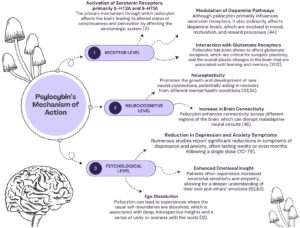
Magic mushrooms are fungi containing the psychoactive compound psilocybin, which is converted to psilocin in the body. Psilocin interacts with serotonin receptors in the brain, creating altered states of perception, enhanced emotional awareness, and introspective experiences. Historically, psilocybin has been used in spiritual and cultural rituals for thousands of years, celebrated for its ability to foster connection with nature, the divine, and the self.

Benefits of Magic Mushrooms Compared to Alcohol
One of the most compelling reasons people are turning to magic mushrooms is their lack of physical side effects. Unlike alcohol, which often results in hangovers and fatigue, psilocybin use leaves no such aftermath. In fact, many users report feeling rejuvenated, inspired, and more at peace after a trip.

Additionally, magic mushrooms are not physically addictive. While alcohol dependence is a widespread issue with serious health implications, psilocybin poses a much lower risk of abuse. It’s often used sparingly and intentionally, with many users going months or even years between experiences.

The emotional and psychological benefits of psilocybin are another major draw. During a psilocybin trip, individuals often gain deep insights into their emotions, relationships, and life purpose. This introspection can lead to profound changes, including increased emotional resilience and a renewed sense of gratitude.

Testimonials from Users
Stories from those who have transitioned from alcohol to psilocybin paint a compelling picture. One former drinker described how magic mushrooms helped them break free from unhealthy drinking habits, saying, “Alcohol used to numb me, but psilocybin woke me up. It gave me clarity and showed me how to process my emotions instead of drowning them.”

Others have highlighted the unique sense of connection and joy they experience during psilocybin trips, noting that these feelings far outweigh the fleeting highs of alcohol.


Psychedelics and Mental Health

The Therapeutic Potential of Magic Mushrooms
In recent years, scientific studies have shed light on psilocybin’s potential to treat a variety of mental health conditions, including depression, anxiety, and PTSD. Researchers have found that psilocybin can help “reset” the brain, breaking negative thought patterns and fostering a greater sense of hope and possibility.

Psilocybin therapy often involves guided sessions where participants take a controlled dose of the substance while being supported by a therapist. These sessions can lead to profound breakthroughs, helping individuals process trauma and reframe their perspective on life.

Alcohol vs. Psilocybin on Mental Health
Alcohol, on the other hand, is often detrimental to mental health. While it may temporarily alleviate stress or anxiety, frequent drinking can exacerbate these issues over time. Alcohol is also linked to an increased risk of depression, as it disrupts brain chemistry and depletes serotonin levels.

In contrast, psilocybin offers a cathartic and healing experience. Many users describe their trips as emotionally liberating, allowing them to confront and release buried feelings. This therapeutic aspect has made magic mushrooms an appealing alternative for those seeking mental clarity and emotional well-being.

Long-Lasting Effects
One of the most remarkable aspects of psilocybin is its long-lasting impact. Even a single trip can lead to weeks or months of improved mood, mindfulness, and creativity. This “afterglow” effect contrasts sharply with the downward spiral often associated with alcohol, which can leave users feeling drained and disconnected.


The Social Experience: Mushrooms vs. Alcohol

Social Drinking vs. Social Tripping
Alcohol has traditionally been the go-to substance for social bonding, but psilocybin is emerging as an intriguing alternative. Unlike alcohol, which often lowers inhibitions and leads to superficial interactions, psilocybin encourages deeper conversations and meaningful connections.

Avoiding the Chaos of Alcohol-Fueled Gatherings
Alcohol-fueled parties are often chaotic, with loud music, drunken antics, and inevitable mishaps. Psilocybin gatherings, by contrast, tend to be calmer and more intentional. Many users report that psilocybin enhances their ability to truly connect with others, fostering a sense of unity and understanding.

Changing Party Culture
The rise of psychedelic-inspired events is reshaping party culture. From small group trips in nature to curated experiences like sound baths and art installations, these gatherings emphasize creativity, introspection, and shared joy. This shift is appealing to those who find traditional drinking culture unfulfilling.


microdose magic mushrooms - heartbeat blend

Health Benefits and Mind-Body Connection

Physical Benefits of Psilocybin
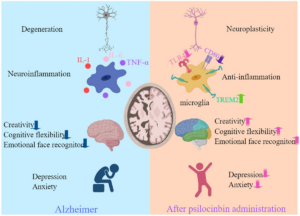
Magic mushrooms have been shown to promote brain plasticity, enhancing the brain’s ability to form new neural connections. This effect may explain why psilocybin users often report improved problem-solving skills and a greater sense of mental flexibility.

Emotional and Spiritual Growth
Psilocybin trips frequently lead to profound emotional and spiritual insights. Many users describe feeling more connected to themselves, others, and the natural world. This heightened sense of purpose and awareness is one of the reasons psilocybin is being hailed as a tool for personal transformation.

Avoiding Alcohol’s Pitfalls
By choosing psilocybin over alcohol, users can sidestep the physical, emotional, and social consequences of drinking. This makes magic mushrooms an appealing option for those seeking a healthier and more fulfilling lifestyle.


Shifting Attitudes and the Future of Psychedelics

Cultural Reframing of Substance Use
As society reevaluates its relationship with alcohol, magic mushrooms are gaining acceptance as a legitimate alternative. Influencers, wellness advocates, and even some mainstream media outlets are helping to destigmatize psilocybin use, presenting it as a tool for self-discovery rather than recreation.

The Growing Popularity of Microdosing
Microdosing—taking small, sub-perceptual doses of psilocybin—has become increasingly popular. Many people use microdosing to enhance focus, creativity, and mood, making it a practical alternative to daily drinking for stress relief.

What This Means for Alcohol
As the appeal of psilocybin grows, the alcohol industry may face new challenges. This cultural shift could lead to a decline in global drinking culture, as more people prioritize health, mindfulness, and meaningful experiences over intoxication.


Conclusion

The movement away from alcohol and toward magic mushrooms represents more than just a trend—it’s a reflection of a deeper cultural transformation. People are seeking substances that enhance their lives rather than detract from them, and magic mushrooms are proving to be a powerful tool for personal growth, emotional healing, and connection.

As we continue to learn more about the benefits of psilocybin, it’s clear that this natural alternative has the potential to redefine how we approach altered states of consciousness. For those who are curious, it’s an invitation to explore a new way of enhancing life—one that prioritizes well-being, creativity, and connection.

Buy The Best Magic Mushrooms Online in Canada (19+)

The Difference Between LSD and Magic Mushrooms

Buy Shroom Online in Canada - Shroom Bros

Psychedelics are substances that can dramatically change the way we think, feel, and see the world. In recent years, they’ve gained a lot of attention—not only for their unique effects but also for their potential to help with mental health issues like depression and anxiety. Among the most popular psychedelics are LSD and Magic Mushrooms (also known as psilocybin mushrooms). While both can lead to mind-expanding experiences, they’re quite different in terms of how they’re made, how they work, and the kind of trip they produce.

If you’ve ever wondered what sets these two apart, this blog is for you. We’ll dive into their origins, how they affect the brain and body, and the kind of experiences people typically have with each. Along the way, we’ll also look at their therapeutic potential, their cultural history, and how to use them responsibly.

By the end, you’ll have a better understanding of both substances and how they uniquely affect the mind and body. Whether you’re curious for personal knowledge or considering trying them, understanding these differences is key.

Chemical Composition and Origin

LSD (Lysergic Acid Diethylamide)

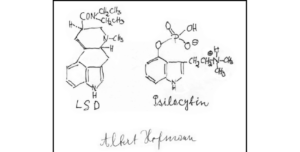
LSD is a man-made substance that was first created in 1938 by a Swiss chemist named Albert Hofmann. It comes from a type of fungus called ergot, which grows on grains like rye. Hofmann didn’t know what he had discovered at first—it wasn’t until a few years later, in 1943, when he accidentally ingested a tiny amount and experienced its mind-altering effects.

Chemically, LSD is similar to serotonin, a natural chemical in your brain that controls mood, thoughts, and perception. Because of this similarity, LSD can interact with serotonin receptors in your brain, leading to powerful changes in how you see, think, and feel. It’s incredibly strong, with doses measured in micrograms (a millionth of a gram). A tiny amount is all it takes to produce hours of effects.

Magic Mushrooms (Psilocybin)

Magic Mushrooms, on the other hand, are entirely natural. They’ve been used for thousands of years by indigenous cultures for spiritual and healing purposes. These mushrooms contain a chemical called psilocybin, which your body turns into psilocin—this is what causes the psychedelic effects.

Unlike LSD, the strength of Magic Mushrooms can vary depending on the species of mushroom and how they’re grown. People typically measure doses in grams of dried mushrooms. While mushrooms are usually considered gentler than LSD, they can still produce powerful effects, especially in larger doses.

Key Differences

One big difference between LSD and Magic Mushrooms is their origin. LSD is synthetic (made in a lab), while psilocybin is a natural substance found in mushrooms. Another difference is their strength: LSD is measured in tiny micrograms, while mushrooms are measured in grams. Finally, they work slightly differently in your body, which leads to differences in the trip (more on that next).


Experience and Effects

Onset, Duration, and Intensity

One major difference between LSD and Magic Mushrooms is how quickly they start working, how long the trip lasts, and how intense it feels.

  • LSD: After taking LSD, it usually takes about 30–60 minutes to feel the effects. The trip lasts a long time—8–12 hours in most cases. The effects tend to build up gradually, peak for a few hours, and then slowly fade. Many users describe the trip as energetic and full of visual effects like bright colors or patterns.
  • Magic Mushrooms: With mushrooms, the effects start more quickly—within 20–40 minutes of taking them. The trip is much shorter than LSD, lasting about 4–6 hours. Mushrooms are often described as feeling more natural and emotional, with peaks that come and go in waves.

In general, people describe LSD as more “intense” and stimulating, while mushrooms feel “gentler” and more introspective.

Mental and Emotional Effects

Both LSD and mushrooms have powerful effects on your thoughts and emotions, but the way they do this can be quite different.

  • LSD: People often describe LSD as “mind-expanding.” It can make you think deeply about big ideas or see connections between things you never noticed before. The visuals are usually very vivid, with geometric patterns and bright colors. Some people experience “synesthesia,” where senses overlap (like seeing sounds or hearing colors). The trip often feels outward-focused, encouraging curiosity and exploration. However, LSD can also cause feelings of anxiety or paranoia, especially in a chaotic or uncomfortable environment.
  • Magic Mushrooms: Mushrooms tend to take people inward, encouraging deep reflection and emotional exploration. Many users report a sense of connection to nature or the universe. The visuals are less structured than LSD’s, often resembling natural forms like trees, plants, or animals. Mushrooms are also known for producing mystical experiences, where users feel a sense of unity or spiritual awakening. These trips can be emotional, leading to tears, laughter, or a sense of profound understanding.

Physical Effects

Both substances can affect your body in addition to your mind:

  • LSD: It’s common to feel physical energy or restlessness. Some users report sweating, a faster heartbeat, or jaw clenching. LSD can also make it hard to sleep, even hours after the trip ends.
  • Magic Mushrooms: Mushrooms are often easier on the body, though they can cause nausea or stomach discomfort during the first hour. Some people also feel a sense of relaxation, yawning, or light-headedness.

The “Bad Trip” Phenomenon

Both LSD and mushrooms can lead to a “bad trip,” where the experience becomes overwhelming, scary, or negative. This can happen if you’re in a bad mood or in an uncomfortable environment. It’s also more likely with higher doses.

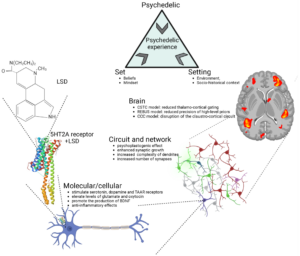
To avoid this, many experienced users emphasize the importance of set (your mindset) and setting (your environment). Staying calm, being in a safe space, and having a sober friend (called a “trip sitter”) nearby can make the experience safer and more positive.

Neurobiology and Brain Activity

How LSD Affects the Brain

LSD works by activating serotonin receptors in your brain, especially one called the 5-HT2A receptor. This causes your brain to send more signals between regions that don’t usually talk to each other, leading to unique effects like vivid visuals, creative thinking, and blending of the senses. LSD also slows down a part of your brain called the Default Mode Network (DMN), which is responsible for your sense of self or ego. When this happens, people often feel like their sense of identity dissolves, leading to feelings of unity or connection with the universe.

How Psilocybin Affects the Brain

Magic Mushrooms work in a similar way—they also target serotonin receptors and reduce activity in the Default Mode Network. However, the effects of mushrooms are shorter and tend to feel less overwhelming. This is why many people describe mushroom trips as more manageable compared to LSD.

Key Similarities and Differences

Both LSD and Magic Mushrooms increase communication between different parts of the brain and reduce activity in the Default Mode Network. The main difference is how intense and long-lasting these changes are. LSD tends to have a stronger and longer impact, while mushrooms feel more temporary and grounded.

Impact on Creativity and Problem-Solving

Because both substances boost creativity and break down rigid thought patterns, they’re often used for brainstorming or personal reflection. However, LSD is usually seen as better for focused thinking and exploring ideas, while mushrooms are more emotional and intuitive, helping people connect with their feelings.


Therapeutic Potential and Modern Research

In recent years, both LSD and Magic Mushrooms have gained attention for their potential to treat mental health conditions. Researchers and therapists have found that these substances, when used in controlled settings, can provide significant benefits for people struggling with issues like depression, anxiety, PTSD, and addiction. While much of this research is still in early stages, the results are promising.

Therapeutic Uses of LSD

LSD was first explored as a therapy tool in the 1950s and 1960s. Back then, doctors and psychologists used it to help patients open up emotionally and address deep-rooted issues. Today, LSD is being studied again, with researchers testing its ability to treat conditions such as depression, PTSD, and alcoholism.

One of LSD’s most interesting benefits is its ability to break negative thought patterns. Many people with depression or anxiety feel stuck in loops of negative thinking, and LSD seems to disrupt these loops, offering a fresh perspective. In a controlled setting with a trained therapist, this can help people process trauma or find new ways of coping.

That said, LSD’s long duration and intense effects can make it challenging for therapeutic use. This is why it’s less commonly studied compared to psilocybin.

Therapeutic Uses of Magic Mushrooms

Magic Mushrooms have been used for healing and spiritual purposes by indigenous cultures for thousands of years. In modern therapy, psilocybin (the active ingredient in mushrooms) has become a popular focus of research. Studies have shown that psilocybin-assisted therapy can help with major depression, end-of-life anxiety (common in terminal illnesses), and addiction.

One of the reasons psilocybin is so effective is its ability to create mystical experiences. Many people report feeling a deep sense of connection, love, and understanding during a mushroom trip, which helps them process their emotions and find peace. Unlike LSD, psilocybin trips are shorter and gentler, which makes them easier to manage in a therapeutic setting.

Comparing Therapeutic Potential

While both substances have therapeutic potential, Magic Mushrooms have taken the lead in modern research. This is partly because psilocybin’s effects are easier to control and its shorter duration makes therapy sessions more practical. LSD, though powerful, is less commonly used in therapy today because its trips last much longer and can be more unpredictable.

Safety in Therapy

When used in a controlled environment, both substances are considered safe for most people. In clinical trials, trained therapists guide patients through the experience and help them process their thoughts afterward. This process, known as integration, is a key part of psychedelic therapy. By helping patients make sense of their experience, therapists ensure the benefits last long after the session ends.


Cultural and Historical Context

The cultural history of LSD and Magic Mushrooms is as fascinating as the substances themselves. Both have been used in different ways over the years, from sacred rituals to counterculture movements, and their stories offer insight into how society views psychedelics today.

History of LSD

LSD was first synthesized in 1938, but its psychedelic effects weren’t discovered until 1943, when Albert Hofmann accidentally ingested a small dose and experienced the world’s first acid trip. Hofmann later called LSD “medicine for the soul” and believed it could help humanity better understand itself.

LSD became famous in the 1960s during the counterculture movement. Figures like Timothy Leary, a psychologist and advocate for LSD, encouraged people to “turn on, tune in, and drop out,” using LSD as a tool for self-discovery. It also inspired some of the most iconic music, art, and literature of the time, with bands like The Beatles and The Grateful Dead incorporating the psychedelic experience into their work.

However, the rise of LSD also led to backlash. Its association with rebellious youth and anti-establishment movements caused governments to crack down on its use. By the late 1960s, LSD was made illegal in most countries, and its research was largely abandoned for decades.

History of Magic Mushrooms

Magic Mushrooms have a much longer history, dating back thousands of years. Indigenous cultures in Central and South America, such as the Aztecs and Mazatecs, used psilocybin mushrooms in religious ceremonies to connect with their gods and gain spiritual insight. The Aztecs referred to them as “teonanácatl,” or “flesh of the gods.”

In the 1950s, Magic Mushrooms were introduced to the Western world by R. Gordon Wasson, a journalist who participated in a mushroom ceremony led by the Mazatec shaman María Sabina in Mexico. His writings sparked widespread curiosity about mushrooms and their effects.

Magic Mushrooms became part of the 1960s counterculture, much like LSD, but they retained a stronger connection to spirituality and nature. Today, mushrooms are experiencing a revival, with many people turning to them for both personal growth and therapeutic purposes.

LSD vs. Mushrooms in Popular Culture

LSD is often associated with creativity and innovation. Artists, writers, and musicians have credited LSD with helping them break through creative blocks and explore new ideas. It’s known for its ties to the hippie movement and the “Summer of Love” in 1967.

Magic Mushrooms, on the other hand, are more closely linked to spirituality and nature. Many people use mushrooms to feel a deeper connection with the earth or to explore their inner selves. They’re often seen as less rebellious and more introspective compared to LSD.
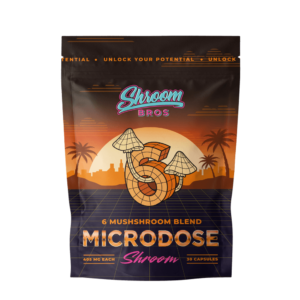

microdose magic mushrooms - 6 mushroom blend

Risks and Harm Reduction

While both LSD and Magic Mushrooms are considered physically safe in most cases, they do come with risks, especially if they’re used recklessly. Understanding these risks and how to minimize them is essential for anyone considering their use.

Psychological Risks

One of the biggest risks of psychedelics is their potential to cause anxiety, paranoia, or panic attacks, especially during a “bad trip.” Both LSD and mushrooms can bring up intense emotions or challenge deeply held beliefs, which can be overwhelming for some people.

Another risk is the possibility of triggering latent mental health issues, such as schizophrenia or bipolar disorder. People with a history of these conditions should avoid psychedelics altogether.

Physical Risks

Both LSD and mushrooms are non-toxic, meaning they’re not likely to harm your body even in high doses. However, there are still risks to consider. For mushrooms, one major danger is misidentifying a poisonous mushroom species in the wild. For LSD, the main concern is buying counterfeit substances, as it’s often sold on the black market.

Harm Reduction Strategies

To use psychedelics safely, it’s important to follow a few key guidelines:

  • Start with a low dose: Whether it’s your first time or you’re using a new batch, always take a small amount to test the effects.
  • Pay attention to set and setting: Make sure you’re in a safe, comfortable environment with people you trust. A calm, positive mindset can make a huge difference in your experience.
  • Have a trip sitter: Having a sober friend nearby to support you can help you stay grounded if the trip becomes overwhelming.
  • Integrate the experience: After the trip, take time to reflect on what you experienced. Journaling, meditating, or talking with someone can help you make sense of the insights you gained.

Conclusion

LSD and Magic Mushrooms are two of the most well-known psychedelics, but they’re very different in how they’re made, how they work, and the kind of experiences they offer. LSD is synthetic and known for its long-lasting, energetic trips, while Magic Mushrooms are natural and often lead to emotional, introspective experiences. Both substances can create powerful changes in perception and thought, but they work slightly differently in the brain, with LSD being more intense and mushrooms being gentler.

In the world of therapy, Magic Mushrooms have become more popular for treating mental health conditions, thanks to their shorter duration and strong emotional effects. LSD, while still studied, is less commonly used in therapy today because of its long-lasting trips.

Both substances have fascinating cultural histories and are associated with creativity, spirituality, and self-discovery. However, they also come with risks, so using them responsibly is essential.

Ultimately, whether someone chooses LSD, Magic Mushrooms, or neither, understanding the differences can help them make informed decisions. Psychedelics are powerful tools, and when used wisely, they can lead to profound personal growth and healing.

Buy The Best Magic Mushrooms in Canada (19+)  Or Give our popular LSD a try! (19+)
 

The 10 Best Activities to Do While on Magic Mushrooms

Magic mushrooms, scientifically known as psilocybin mushrooms, have been cherished for centuries for their profound effects on the human mind. Whether used for spiritual enlightenment, personal growth, or recreational fun, they have the unique ability to unlock new dimensions of thought, emotion, and sensory experience. This quality makes them ideal for amplifying the joy and meaning found in everyday activities.

If you’re curious about how to enhance your journey with magic mushrooms, this guide is for you. Below, we explore ten activities that can help you get the most out of your experience. Each activity is carefully selected to deepen your connection with yourself, others, and the world around you.

By the end of this blog, you’ll have a roadmap for turning your psilocybin trip into a transformative adventure.


1. Immerse Yourself in Nature

Why It’s Amazing:

Nature offers a perfect backdrop for a psilocybin journey. The natural world feels alive on mushrooms: trees seem to breathe, colors glow with an almost otherworldly brilliance, and the sounds of birds or rustling leaves can feel like a cosmic symphony.

Mushrooms often amplify our sense of interconnectedness, making the natural world feel not only beautiful but deeply meaningful. Many people report a heightened awareness of their relationship with the Earth and a newfound appreciation for its wonders.

Activities to Try:

  • Forest Walks: Stroll along a forest trail, observing the intricate details of plants, moss, and fungi. Pause to notice the sunlight filtering through the leaves or the way the ground feels beneath your feet.
  • Beach Visits: Sitting by the ocean can be particularly grounding. The rhythmic crash of waves and the vast horizon can evoke a profound sense of peace.
  • Stargazing: If your trip occurs at night, bring a blanket and lie under the stars. On psilocybin, the night sky often feels infinite and awe-inspiring.

Things to Consider:

Choose a safe and familiar outdoor setting to minimize anxiety. Bring water, snacks, and comfortable clothing to keep yourself at ease. If you plan to wander far, ensure someone in your group is sober and prepared to help if needed.


2. Create Art

Why It’s Amazing:

Psilocybin is known to unlock creativity, encouraging a free flow of ideas and an uninhibited approach to self-expression. Many people find that their imagination blossoms, with colors appearing more vivid and patterns more intricate. Making art becomes a journey in itself—one where the process matters far more than the outcome.

Activities to Try:

  • Painting or Drawing: Keep it simple by starting with paper and paints, or try using markers and colored pencils. Let your intuition guide you, and don’t be afraid to explore abstract forms.
  • Sculpting: The tactile experience of molding clay or working with other sculptural materials can feel deeply satisfying.
  • Digital Art: If you’re comfortable with technology, try using a tablet or drawing software. Experiment with vibrant, swirling designs or surreal landscapes.

Why It’s Transformative:

Creating art while tripping allows you to externalize your inner world, capturing the emotions, images, and insights that arise. Whether your creations turn out simple or elaborate, they serve as a tangible reminder of your journey.


3. Listen to Music

Why It’s Amazing:

Music and psilocybin are a match made in heaven. Psilocybin enhances auditory perception, making music feel richer, more immersive, and deeply emotive. A single song can transport you to an entirely different headspace, evoking waves of nostalgia, joy, or catharsis.

Tips for Enhancing the Experience:

  • Use High-Quality Audio Equipment: Good headphones or speakers make a significant difference, as the details in music become more noticeable on mushrooms.
  • Create a Playlist Ahead of Time: Avoid fumbling with your phone mid-trip by curating a playlist in advance. Include a mix of calming, uplifting, and emotionally resonant tracks.

Recommended Genres:

  • Ambient Music: Artists like Brian Eno and Tycho create soundscapes that are ideal for introspection.
  • Psychedelic Rock: Classics like Pink Floyd’s The Dark Side of the Moon or The Beatles’ Sgt. Pepper’s Lonely Hearts Club Band pair beautifully with a psilocybin experience.
  • World Music: Explore Tibetan singing bowls, African drumming, or Native American flutes to connect with ancient, spiritual vibrations.

4. Meditate

Why It’s Amazing:

Meditation is one of the most transformative activities to pair with psilocybin. The altered state of consciousness brought on by the mushrooms can make it easier to quiet your mind, detach from ego-driven thoughts, and experience a deep sense of unity and presence.

How to Meditate on Mushrooms:

  1. Set the Mood: Find a quiet space with minimal distractions. Use a yoga mat or cushion for comfort.
  2. Choose a Technique: Guided meditations, breathwork, or simply observing your thoughts are all effective.
  3. Use Props: Consider lighting a candle or burning incense to create a serene environment.

Benefits:

Meditating during a trip can lead to profound realizations about your life and purpose. It can also help you process difficult emotions or experiences, providing a sense of clarity and peace.


5. Explore Body Movement

Why It’s Amazing:

Mushrooms heighten your awareness of physical sensations, making activities like dancing, yoga, or stretching feel incredibly pleasurable. Your body may feel more fluid and responsive, encouraging free expression through movement.

Activities to Try:

  • Dance: Put on your favorite music and let your body move however it wants. There’s no right or wrong way to do this—just go with the flow.
  • Yoga: Combining gentle stretches with mindful breathing can help you feel grounded and centered.
  • Walking or Hiking: Slow, deliberate walking (especially in nature) can become a meditative practice.

Why It’s Beneficial:

Movement connects you to your body, providing a grounding counterbalance to the sometimes overwhelming mental effects of psilocybin.


6. Journal Your Thoughts

Why It’s Amazing:

Psilocybin often brings a flood of insights and emotions, many of which are fleeting. Journaling can help you capture these moments, allowing you to revisit and reflect on them later.

What to Write About:

  • Stream-of-Consciousness Writing: Let your pen flow without worrying about grammar or structure.
  • Gratitude Lists: Note the things you feel grateful for in the moment.
  • Illustrations: If words don’t come easily, try doodling or sketching your thoughts instead.

Why It’s Therapeutic:

The act of writing can help you process your emotions, clarify your thoughts, and create a sense of grounding during your trip.


7. Engage in Sensory Exploration

Why It’s Amazing:

Mushrooms dramatically enhance your sensory perception, making textures, tastes, sounds, and sights feel extraordinary. Exploring your senses can be both fun and deeply meditative.

Activities to Try:

  • Taste Test: Prepare a variety of snacks, like fresh fruit, chocolate, or herbal tea. The flavors may feel more intense and enjoyable than ever.
  • Touch Exploration: Keep soft fabrics, stones, or other tactile objects nearby to engage your sense of touch.
  • Sight Stimulation: Use kaleidoscopes, prisms, or LED lights to create mesmerizing visual effects.

Pro Tip:

Experiment with one sense at a time to fully immerse yourself in each experience.


8. Watch Psychedelic Visuals

Why It’s Amazing:

Psilocybin can make visual stimulation, whether on a screen or in the natural world, feel utterly captivating. Colors seem to pulse, patterns swirl, and motion becomes hypnotic.

What to Watch:

  • Psychedelic Animations: Many creators on YouTube and Vimeo specialize in trippy, mind-bending visuals.
  • Nature Documentaries: Films like Planet Earth or Fantastic Fungi are not only visually stunning but also offer a deeper appreciation for the natural world.
  • Light Shows: Lava lamps, fiber optic lights, or even a simple candle can create mesmerizing effects.

Pro Tip:

Pair visuals with music for a multisensory experience that feels immersive and magical.


9. Have Deep Conversations

Why It’s Amazing:

Psilocybin often dissolves social inhibitions and ego-driven barriers, making conversations more authentic and meaningful. It’s a great time to bond with others, share insights, or explore existential topics.

Topics to Explore:

  • The nature of consciousness and reality
  • Personal hopes, fears, and dreams
  • Philosophical questions, like the meaning of life or the concept of free will

Why It Matters:

These conversations can deepen your connections with others and lead to lasting insights about yourself and your relationships.


10. Engage in Self-Reflection

Why It’s Amazing:

One of the most profound effects of psilocybin is its ability to facilitate introspection. It can bring suppressed thoughts to the surface, challenge old beliefs, and provide clarity on personal issues.

Techniques to Try:

  • Mirror Gazing: Look into your own eyes with compassion and curiosity. Many people find this practice deeply moving.
  • Life Journaling: Reflect on your past experiences, present challenges, and future goals.
  • Visualization: Close your eyes and imagine yourself achieving your dreams or overcoming obstacles.

Why It’s Transformative:

Self-reflection on psilocybin often leads to a sense of renewal, helping you leave the trip with a clearer understanding of your path.


Safety and Preparation Tips

To ensure a positive experience:

  • Set and Setting: Choose a safe, comfortable environment and a calm, positive mindset.
  • Start Small: Begin with a low dose to gauge your reaction before increasing it in future trips.
  • Stay Hydrated: Keep water nearby, but don’t overhydrate.
  • Trip Sitter: A sober, trusted friend can provide support if needed.
  • Avoid Mixing Substances: Combining psilocybin with alcohol or other drugs can complicate your experience.

Final Thoughts

Magic mushrooms have the power to turn ordinary activities into profound, transformative experiences. By choosing the right activities—whether it’s creating art, exploring nature, or meditating—you can shape your journey into one of joy, insight, and wonder.

The key to a meaningful trip is approaching it with an open mind, a sense of curiosity, and a willingness to let the mushrooms guide you. Trust the process, embrace the unknown, and enjoy the adventure.

Happy tripping!

Give Our Magic Mushrooms a Try Today! (19+)

How Different Magic Mushroom Strains Affect Your Experience

Magic mushrooms are not a one-size-fits-all experience. Each strain offers a distinct journey, shaped by its unique chemistry, potency, and character. Some strains provide gentle, introspective trips, while others launch you into vivid, otherworldly realms. Understanding these differences is crucial for anyone exploring the world of psilocybin mushrooms, whether for personal growth, creativity, or curiosity.

In this guide, we’ll focus on how different strains of magic mushrooms affect the mind and body. From the introspective calm of Golden Teachers to the intense, transformative power of Penis Envy, we’ll break down the characteristics of popular strains and what makes each one special. Whether you’re new to psilocybin or a seasoned explorer, this blog will help you navigate the diverse effects of these extraordinary fungi.


What Makes Strains of Magic Mushrooms Different?

To fully appreciate the variety of effects that magic mushrooms can produce, it’s important to understand the underlying factors that distinguish one strain from another. While all magic mushrooms contain psilocybin—a naturally occurring psychedelic compound—the way it manifests in your experience depends on several critical factors:

1. Chemical Composition

The primary psychoactive compounds in magic mushrooms are psilocybin and psilocin, but many strains also contain other alkaloids, such as baeocystin and norbaeocystin. These secondary compounds can subtly influence the overall experience, contributing to the differences between strains.

For example:

  • Strains with higher psilocin levels may produce more intense visuals and emotional shifts.
  • Strains with significant amounts of baeocystin are believed to create a clearer, more focused headspace.

2. Potency

Some strains are mild and ideal for beginners, while others are so potent that even experienced psychonauts approach them with caution. Potency is influenced by both the genetic profile of the mushroom and its growing conditions.

For instance:

  • Psilocybe cubensis, a widely cultivated species, varies in potency depending on the substrain.
  • Wild strains like Psilocybe azurescens are naturally high in psilocybin, making them among the most potent.

3. Growth Conditions

Environmental factors such as substrate, humidity, temperature, and light exposure significantly affect a mushroom’s alkaloid content. Even mushrooms of the same strain grown under different conditions can exhibit slight variations in their effects.

4. Personal Factors

Your set and setting—your mindset and the environment in which you consume mushrooms—are pivotal in shaping your experience. Additionally, your individual neurochemistry, body weight, and prior experience with psychedelics play a role in how you interact with different strains.


An In-Depth Look at Popular Magic Mushroom Strains

1. Psilocybe cubensis: The Gateway Mushroom

Overview

Psilocybe cubensis is perhaps the most widely known and consumed magic mushroom species, boasting dozens of substrains. These mushrooms are easy to cultivate and offer a balanced, approachable psychedelic experience, making them ideal for both beginners and experienced users.

Common Substrains:

  • Golden Teachers: Revered for their ability to provide profound insights and spiritual clarity.
  • B+: Known for their gentle onset and euphoric effects, making them a great choice for first-timers.

Effects:

  • Emotional Openness: Expect heightened emotions, ranging from joy and wonder to introspection.
  • Visuals: Moderate patterns and color distortions, with flowing or “breathing” effects in the environment.
  • Body Sensations: A pleasant, warm buzzing throughout the body.

Duration:

4–6 hours, with a gradual return to baseline.

Who It’s Best For:

Those looking for a balanced trip that combines visuals, emotional depth, and a sense of connection.


2. Psilocybe azurescens: The Heavy Hitter

Overview

Nicknamed the “Flying Saucer” mushroom due to its unique cap shape, Psilocybe azurescens is a powerhouse. It contains some of the highest concentrations of psilocybin and psilocin, making it one of the most potent species. Originating from the Pacific Northwest, it thrives in damp, wooded areas.

Effects:

  • Profound Visuals: Immersive fractals, kaleidoscopic imagery, and vivid color shifts.
  • Ego Dissolution: A loss of self-identity that often leads to feelings of unity and oneness.
  • Intense Introspection: Many users report deep, life-changing realizations.

Duration:

5–7 hours, with a strong peak lasting 2–3 hours.

Who It’s Best For:

Seasoned psychonauts seeking a transformative, high-intensity experience.


3. Psilocybe cyanescens: The Wavy Cap

Overview

The distinct wavy edges of this mushroom’s cap give it the nickname “Wavy Cap.” Psilocybe cyanescens is highly potent and grows naturally in wood-rich environments, such as mulch and forest floors.

Effects:

  • Enhanced Mental Clarity: Sharper thoughts and philosophical insights.
  • Energizing Sensation: A stimulating, almost electric buzz in the body.
  • Playful Joy: Uncontrollable laughter and a sense of childlike wonder.

Unique Trait:

Psilocybe cyanescens has a rapid onset, with effects kicking in within 15–30 minutes.

Duration:

4–6 hours.

Who It’s Best For:

Adventurers who want a high-energy trip with sharp visuals and mental clarity.


4. Psilocybe semilanceata: The Liberty Cap

Overview

The Liberty Cap is a small but mighty mushroom, often found in grassy fields and meadows. It’s one of the most widely distributed wild magic mushrooms and has a rich history of use in spiritual and mystical practices.

Effects:

  • Gentle Euphoria: Lighthearted joy and enhanced appreciation for the world around you.
  • Subtle Visuals: Shimmering or “breathing” effects in the environment.
  • Spiritual Connection: A deep sense of unity with nature and the cosmos.

Duration:

4–7 hours, with a smooth and manageable peak.

Who It’s Best For:

Those who enjoy subtle, meditative journeys, especially in natural settings.


5. Penis Envy: The Elite Strain

Overview

Penis Envy is one of the most sought-after and potent Psilocybe cubensis strains. Recognizable by its thick, phallic stem and bulbous cap, this strain has developed a reputation for its intensity and profound effects.

Effects:

  • Euphoria: Overwhelming feelings of happiness and bliss.
  • Intense Visuals: Vibrant colors, intricate patterns, and vivid dreamlike imagery.
  • Deep Introspection: Encourages profound self-reflection and personal growth.

Note:

Its potency makes it unsuitable for beginners, but it’s a favorite among experienced users.

Duration:

4–6 hours, with a pronounced peak.

Who It’s Best For:

Those seeking a deeply transformative and visually stunning experience.


6. Albino Strains: Ghostly Elegance

Overview

Albino strains, such as Albino A+ and Albino Penis Envy, are rare and visually striking due to their pale white caps and stems. These strains are known for their purity and potency.

Effects:

  • Crystal-Clear Visuals: Sharper, more defined visual distortions and patterns.
  • Therapeutic Release: Many users experience emotional catharsis and relief.
  • Gradual Build-Up: Effects take longer to manifest but last longer overall.

Duration:

6–8 hours.

Who It’s Best For:

Those who value a slower, more introspective journey.


Buy The Best Magic Mushrooms in Canada!

7. Psilocybe mexicana: A Historical Icon

Overview

Known as the mushroom used by ancient Aztec and Mazatec cultures, Psilocybe mexicana has a rich history. It was the species from which psilocybin was first isolated by Dr. Albert Hofmann in the 1950s.

Effects:

  • Lighthearted Euphoria: A whimsical, playful energy.
  • Mild Visuals: Subtle, dreamlike distortions in color and form.
  • Spiritual Reverence: Feelings of awe and connection to ancient traditions.

Duration:

3–5 hours.

Who It’s Best For:

Beginners or those seeking a gentle introduction to the magic mushroom experience.


Factors That Shape Your Trip Beyond the Strain

1. Set and Setting

  • Set (Mindset): Entering a trip with a calm, open mind helps create a positive experience. Negative emotions or stress can influence the trip in unexpected ways.
  • Setting (Environment): The physical space around you matters. A safe, comfortable, and supportive environment enhances the experience.

2. Dosage

Magic mushrooms can produce dramatically different effects depending on the amount consumed:

  • Microdose (0.1–0.5g): Subtle cognitive and emotional enhancements without hallucinations.
  • Standard Dose (1–3g): The sweet spot for most users, providing visuals, emotional depth, and spiritual insights.
  • Heroic Dose (5g+): An intense, often overwhelming journey into ego dissolution and profound realizations.

3. Consumption Method

  • Eating dried mushrooms directly produces a slower onset (30–60 minutes).
  • Brewing mushrooms into a tea results in faster absorption and a smoother trip.
  • Combining with other foods (e.g., lemon tek) may enhance intensity.

4. Tolerance

Regular use of magic mushrooms can build tolerance, reducing the intensity of effects. Spacing trips by at least two weeks helps maintain sensitivity.


Choosing the Right Strain for Your Intentions

Your goals and preferences will guide you toward the ideal strain:

  • For Beginners: Psilocybe cubensis strains like Golden Teachers or B+ are forgiving and balanced.
  • For Visuals: Penis Envy or Psilocybe azurescens offer vibrant, immersive imagery.
  • For Spirituality: Psilocybe mexicana and Liberty Caps foster introspection and connection.
  • For Energy: Wavy Caps provide a stimulating and joyful trip.

Conclusion

Magic mushrooms are a gateway to exploration, offering a spectrum of experiences that vary widely depending on the strain. From the gentle wisdom of Golden Teachers to the transformative intensity of Penis Envy or Psilocybe azurescens, each strain carries its own magic. By understanding the unique characteristics of these strains, you can make informed choices that align with your goals, whether they involve spiritual growth, creative inspiration, or simple curiosity.

As you embark on your journey with magic mushrooms, approach them with respect, curiosity, and mindfulness. Each strain has a story to tell—one that’s as unique as the individual experiencing it.

BUY THE BEST MAGIC MUSHROOMS IN CANADA (19+)

The Science: How Micro Dosing Helps With Depression and Anxiety

Buy Shroom Online in Canada - Shroom Bros

In recent years, there has been a renewed interest in psychedelics as a potential treatment for mental health disorders like depression and anxiety. At the forefront of this movement is micro dosing, a practice involving the consumption of very low doses of psychedelic substances—typically a tenth or less of a “normal” recreational dose. Unlike full doses that can cause hallucinogenic experiences, micro doses are sub-perceptual, meaning that they do not typically lead to noticeable psychoactive effects. One of the most popular substances for micro dosing is psilocybin, the active compound found in certain types of mushrooms commonly known as “magic mushrooms.”

As stories of individuals experiencing relief from mental health symptoms circulate, scientists are beginning to look more seriously at whether micro dosing with magic mushrooms could provide a scientifically valid way to manage depression and anxiety. In this blog, we’ll delve into the science of psilocybin, explore how it interacts with the brain, and examine the evidence for its potential mental health benefits.

What Science Says About Depression and Anxiety

Depression and anxiety are two of the most common mental health disorders worldwide. Both are characterized by persistent changes in mood and can lead to physical, emotional, and social impairments. From a scientific perspective, depression is often linked to abnormalities in brain chemistry, specifically a reduction in the levels of certain neurotransmitters like serotonin and dopamine. These neurotransmitters play crucial roles in mood regulation, motivation, and emotional stability.

Traditional treatments for depression and anxiety include selective serotonin reuptake inhibitors (SSRIs) and cognitive behavioral therapy (CBT). While these treatments can be effective, they are not without limitations. SSRIs, for example, can take several weeks to show benefits and may come with side effects like weight gain, sexual dysfunction, and emotional blunting. Additionally, they do not work for everyone—studies show that around 30% of people with depression do not respond to traditional antidepressants. This gap in effective treatment options has led scientists to explore alternative therapies, including psychedelics like psilocybin.

Psilocybin and the Brain: How It Works

Psilocybin is a naturally occurring compound that, when ingested, is converted by the body into psilocin. Psilocin then binds to serotonin receptors in the brain, specifically targeting the 5-HT2A receptor. This receptor is associated with cognition, imagination, and self-reflection, which may help explain why people report changes in mood and perception after taking psilocybin. Unlike SSRIs, which work by blocking the reabsorption of serotonin, psilocybin directly stimulates these receptors, leading to more immediate changes in brain function.

One of the most interesting aspects of psilocybin is its impact on the brain’s default mode network (DMN). The DMN is a network of brain regions that becomes active when we are engaged in self-reflective thinking, such as thinking about the past or future. Overactivity in the DMN is often associated with symptoms of depression, as people become overly focused on negative thought patterns. Psilocybin appears to “reset” the DMN, reducing its activity and helping individuals break out of ruminative loops. This “reset” effect, though commonly studied at higher doses, may also play a role in micro dosing’s effects.

Microdosing vs. Macrodosing: How They Differ

Microdosing involves taking doses so small that they do not cause the vivid hallucinations or intense experiences associated with full (or “macro”) doses. In therapeutic settings, macrodosing sessions are often guided by trained professionals and are designed to bring about transformative insights through deep introspection. By contrast, microdosing is designed to subtly enhance mood, cognition, and creativity without majorly impacting a person’s consciousness.

The idea behind microdosing is to harness the positive effects of psilocybin on mood and cognition without the risks of a full psychedelic trip. Although scientific research on microdosing is still limited, anecdotal reports and early studies indicate that people may experience enhanced focus, improved emotional resilience, and reduced symptoms of anxiety and depression. However, much of the current evidence is based on self-reported data, which makes it difficult to draw definitive conclusions.

Scientific Evidence for Microdosing and Mental Health

Emerging studies are beginning to support the idea that psilocybin microdosing may offer real benefits for mental health. In one study conducted by the University of California, researchers found that participants who microdosed reported lower levels of depression and anxiety compared to a control group. Additionally, studies have noted that psilocybin promotes neuroplasticity, the brain’s ability to form new connections. This is significant because enhanced neuroplasticity is associated with improved cognitive function, emotional processing, and overall mental health.

Other research suggests that microdosing could improve brain connectivity, particularly in areas related to mood and emotional regulation. By affecting brain regions involved in mood processing, psilocybin microdosing may offer a new avenue for individuals who have not found relief with conventional treatments. However, researchers caution that while the findings are promising, more clinical trials are needed to establish consistent outcomes and understand long-term effects.

microdose magic mushrooms - focus/energy

Mechanisms: Why Micro dosing May Alleviate Symptoms of Depression and Anxiety

To understand why micro dosing psilocybin may alleviate symptoms of depression and anxiety, it’s essential to examine the underlying mechanisms in the brain. Here are some of the critical ways that psilocybin influences mental health:

  1. Enhanced Neuroplasticity
    Neuroplasticity refers to the brain’s ability to reorganize itself by forming new neural connections. This is crucial for adapting to new experiences, learning, and recovering from mental health conditions. Studies have shown that psychedelics like psilocybin increase neuroplasticity by promoting the growth of dendritic spines—tiny structures on neurons that help with the transmission of electrical signals. In people with depression, neuroplasticity is often impaired, which makes it difficult for them to break out of negative thinking patterns. By enhancing neuroplasticity, psilocybin can help “rewire” the brain and encourage more adaptive mental pathways.
  2. Impact on Serotonin Receptors
    As mentioned earlier, psilocybin affects the 5-HT2A serotonin receptors in the brain. This specific receptor is closely associated with mood, cognition, and perception. By binding to these receptors, psilocybin may produce an immediate uplift in mood and emotional resilience, even at low doses. This is different from SSRIs, which only increase serotonin levels indirectly by preventing the reabsorption of serotonin. The direct stimulation provided by psilocybin can lead to a faster response, which is one reason why some people report feeling better after even a single micro dose.
  3. Reduced Activity in the Default Mode Network (DMN)
    The default mode network is active when people are focused on internal thoughts, such as self-reflection, memory recall, and planning. While the DMN plays an essential role in self-identity and introspection, its overactivity has been associated with excessive rumination, which is common in depression. Studies suggest that psilocybin reduces activity in the DMN, which can help break cycles of negative self-reflection and rumination. For people with depression and anxiety, this reduction in DMN activity may lead to a sense of mental clarity, allowing them to see their thoughts from a new perspective.
  4. Improved Emotional Processing
    Psilocybin has also been found to alter emotional processing in the brain. By reducing activity in the amygdala, the brain’s fear center, psilocybin can help people become less reactive to negative stimuli. This might explain why some individuals who micro dose report feeling more grounded and less anxious in their day-to-day interactions. Improved emotional processing can enhance emotional resilience, allowing people to handle stressful situations more effectively.
  5. Promoting Mindfulness and Present Moment Awareness
    Micro dosing psilocybin has also been associated with an increase in mindfulness—the ability to stay grounded in the present moment. Mindfulness is a skill that can be developed through practices like meditation, but psilocybin appears to facilitate this process. For people with anxiety, an increased ability to focus on the present moment can reduce worry about the future and help them manage stress more effectively.

These mechanisms provide a scientific foundation for why psilocybin micro dosing may help alleviate symptoms of depression and anxiety. However, the exact effects can vary from person to person, depending on factors such as individual brain chemistry, dosage, and frequency of use.

Risks and Considerations of Micro dosing Magic Mushrooms

While the potential benefits of micro dosing psilocybin are promising, it’s important to be aware of the risks and considerations before starting. Here are some of the main factors to consider:

  1. Potential Side Effects
    Although micro dosing does not typically cause hallucinations, it can still lead to subtle side effects. Some individuals report feelings of restlessness, jitteriness, or mild anxiety after microdosing. Other side effects can include lightheadedness, drowsiness, or difficulty focusing. It’s crucial to start with a very low dose to assess tolerance and see how it affects the body and mind.
  2. Lack of Regulation and Standardization
    Since psilocybin mushrooms are classified as a Schedule I drug in many countries, they are illegal and unregulated. This means that dosing can be challenging to control, as the psilocybin content in mushrooms can vary widely. Individuals who choose to micro dose must be cautious about sourcing and dosage to avoid accidental ingestion of higher-than-expected amounts.
  3. Potential for Psychological Distress
    Although micro doses are meant to be sub-perceptual, some individuals may still experience psychological discomfort, particularly if they are sensitive to psychedelics or have a history of trauma. For this reason, mental health professionals recommend avoiding micro dosing if there is a history of psychotic disorders, as psychedelics can increase the risk of adverse mental health effects in such cases
  4. Need for Professional Guidance
    Micro dosing should not be seen as a replacement for professional mental health treatment. Ideally, individuals should consult with a therapist or psychiatrist, especially if they have a pre-existing mental health condition. While access to psychedelic-trained professionals is still limited, more clinics are opening up that specialize in integrating psychedelics with mental health care.

By considering these risks and limitations, individuals interested in micro dosing can make more informed decisions. Research on psilocybin micro dosing is still in its early stages, so it’s essential to approach this practice cautiously and with an awareness of the current evidence and limitations.

Real-Life Accounts: How People Experience Micro dosing

Anecdotal evidence plays a substantial role in the growing interest in psilocybin micro dosing. While scientific research is still catching up, many individuals who micro dose share personal stories of reduced anxiety, improved mood, and enhanced focus. Here are some common themes from real-life accounts:

  • Mood Stabilization and Enhanced Emotional Control
    Many users report that micro dosing helps them feel more balanced emotionally. They describe a subtle but noticeable improvement in mood, which allows them to manage daily stressors with greater ease. This stabilization can be particularly helpful for those who experience mood swings or high levels of stress.
  • Increased Creativity and Focus
    Micro dosing has become popular among creative professionals, as some report an increase in creativity, focus, and problem-solving abilities. For individuals with depression, this improvement in focus can lead to greater productivity and a renewed sense of purpose.
  • Improved Mindfulness and Wellbeing
    Micro dosers often describe a greater connection to the present moment and an increased sense of wellbeing. They report feeling more aware of their thoughts, emotions, and surroundings, which can contribute to a greater appreciation for life and reduced rumination.

While these accounts are encouraging, it’s important to remember that individual experiences vary, and anecdotal evidence alone does not equate to scientific proof. Nevertheless, these testimonials have spurred more scientific interest and research into the effects of micro dosing on mental health.

microdose magic mushrooms - heartbeat blend

Future of Psychedelic Research in Mental Health

The resurgence of interest in psychedelics has prompted new research initiatives aimed at understanding the therapeutic potential of these substances. Institutions like Johns Hopkins University, Imperial College London, and the Multidisciplinary Association for Psychedelic Studies (MAPS) are leading the way in studying psilocybin and other psychedelics for mental health applications. While these studies initially focused on macro dosing, the growing popularity of micro dosing has sparked new interest in examining the effects of smaller, non-hallucinogenic doses.

As research continues, we may see more clinical trials specifically focused on micro dosing protocols, potentially leading to a clearer understanding of optimal doses, frequency, and treatment duration. The legalization and regulation of psychedelics, as seen in Oregon, could open doors for new therapeutic applications, including professional guidance for micro dosing as an adjunct to therapy.

Conclusion: Hope and Caution for the Future of Psychedelic Therapy

Micro dosing psilocybin is a promising area of study with potential benefits for treating depression and anxiety. The science suggests that psilocybin can help foster neuroplasticity, reduce rumination, and enhance emotional resilience—all crucial factors in managing mental health. However, it’s essential to approach micro dosing cautiously, given the lack of regulation, variability in personal response, and the potential legal implications.

As research progresses, we may soon have more reliable data on the efficacy and safety of micro dosing. Until then, those interested in exploring psychedelics for mental health should consider the risks and consult mental health professionals when possible. While the promise of psychedelic therapy is growing, responsible use and ongoing scientific investigation are essential to fully unlocking its potential for healing.


Give our popular Microdose Shroom Capsules a try today!

The Science: Why Magic Mushrooms Turn Blue

To those who have ever foraged or handled magic mushrooms, the sight of a mushroom turning blue after being touched is both mesmerizing and mysterious. The transformation typically occurs in psychedelic mushrooms belonging to the genus Psilocybe, such as Psilocybe cubensis and Psilocybe cyanescens. When these mushrooms are bruised, cut, or damaged, the injured area quickly takes on a vivid blue color. This reaction is an almost immediate chemical response, leading many to wonder about its underlying cause.

2. The Chemistry of Psilocybin and Psilocin

To understand why these mushrooms turn blue, we need to start by looking at their psychoactive components: psilocybin and psilocin. Psilocybin is the primary active ingredient in magic mushrooms, responsible for their hallucinogenic effects. When ingested, psilocybin is converted into psilocin, which interacts with serotonin receptors in the brain to produce the psychedelic experience.

How Psilocybin and Psilocin Work

  • Psilocybin is a prodrug, meaning it is biologically inactive until metabolized into psilocin.
  • Psilocin is the actual compound that produces psychoactive effects by mimicking serotonin in the brain.

When a mushroom is damaged, enzymes interact with psilocybin and psilocin, triggering a cascade of reactions that lead to the blue pigmentation. This process, however, is more complex than a simple chemical change, involving several stages and molecules.

3. The Enzymatic Reaction Behind the Blue

The key to understanding the blue color in bruised mushrooms lies in the interaction between enzymes and the mushroom’s chemical compounds. When the tissue of the mushroom is damaged, a specific enzyme known as psilocybin oxidase (or more generally, polyphenol oxidase) is released. This enzyme initiates a series of reactions that result in the oxidation of psilocybin to psilocin, and then further into various quinones and other compounds.

Step-by-Step Breakdown of the Chemical Reaction

  1. Cell Damage: Physical damage to the mushroom cell walls releases the enzyme psilocybin oxidase.
  2. Oxidation of Psilocin: This enzyme oxidizes psilocin, converting it into different intermediates.
  3. Quinone Formation: The resulting compounds, called quinones, undergo a process called polymerization, where they bond together to form complex structures.
  4. Blue Pigment Production: These polymerized quinones give rise to the characteristic blue pigment seen in bruised mushrooms.

This reaction is quite similar to the browning process in apples or avocados, where polyphenol oxidase enzymes cause browning when the fruit is exposed to air.

4. Why Do Mushrooms Turn Blue? The Purpose in Nature

While the science explains how mushrooms turn blue, it still leaves us wondering why they evolved this way in the first place. From an evolutionary perspective, nature often doesn’t create traits without purpose. There are a few leading theories as to why magic mushrooms developed this unique trait:

A. Defense Mechanism

One widely held belief is that the blue coloration acts as a form of chemical defense. The blue hue could serve as a warning signal to animals, indicating that the mushroom contains potent psychoactive or toxic substances. This might deter herbivores or insects from consuming them, as the color suggests the presence of potentially harmful compounds.

B. Protection from Pathogens

Another theory suggests that the blue pigmentation may help protect the mushrooms from microbial attacks. The oxidation process involved in creating the blue color also generates reactive oxygen species, which are toxic to many bacteria and fungi. This could give the mushroom a survival advantage by reducing the risk of infection.

C. Random Biochemical Quirk

There is also the possibility that the blue color is merely a byproduct of chemical reactions without a specific evolutionary advantage. Some scientists argue that not all traits must have a direct survival benefit; instead, they can result from random variations that don’t necessarily affect the organism’s ability to thrive.

5. Significance of Blueing in Identifying Psilocybin Mushrooms

For foragers and psychonauts alike, the blueing reaction has become a reliable method for identifying psilocybin-containing mushrooms in the wild. Although not all magic mushrooms turn blue, and not all mushrooms that turn blue are psychoactive, this trait is a useful indicator.

Safety and Identification

Mushroom identification can be tricky, and relying solely on the blueing reaction is not recommended for definitive identification. There are many non-psychoactive mushrooms that can bruise blue or have similar colors, as well as deadly look-alikes like the Galerina species, which do not have hallucinogenic properties but can be lethal if ingested.

  • Key Identification Points: Combining the blueing reaction with other characteristics, such as spore color, habitat, and cap shape, is crucial for accurate identification.
  • Look-Alikes: Mushrooms like the poisonous Boletus species also turn blue when bruised, so caution is essential.

6. Cultural and Historical Perspectives on Blue Mushrooms

The color-changing properties of magic mushrooms have not only fascinated scientists but have also played a significant role in human culture. Throughout history, various cultures have incorporated these mushrooms into their religious, spiritual, and healing practices, often attributing the color change to mystical or divine powers.

Shamanic Traditions

In many indigenous cultures, the blueing of mushrooms was seen as a sign of their spiritual potency. Shamans and healers believed that the color change indicated a connection to the spirit world or that the mushrooms were imbued with special powers. This perception of the blueing reaction contributed to the reverence of these fungi in ancient rituals and ceremonies.

Modern Psychedelic Culture

In contemporary times, the blue color of magic mushrooms has become a symbol of their potency. Experienced psychonauts often use the intensity of the blueing reaction as an informal gauge of a mushroom’s psychoactive strength, although this method is not scientifically validated. The blueing effect has thus become a hallmark of the mystical and transformative journey that magic mushrooms offer.

7. Recent Scientific Research on Blueing Mechanisms

In recent years, scientific research has shed new light on the molecular intricacies of why magic mushrooms turn blue. A groundbreaking study published in 2019 by German chemists provided the first detailed explanation of the exact chemical pathways that lead to the blue color. They discovered that psilocin undergoes a dimerization reaction, forming oligomers that are responsible for the blue coloration.

The Discovery of Psilocylin and Psilocin Dimers

  • Psilocylin: This novel compound, formed during the oxidation process, plays a significant role in producing the blue color.
  • Dimerization Reaction: Psilocin molecules bind together to form dimers, which further polymerize into a series of compounds that manifest as the blue pigment.

This study highlighted that the bluing reaction is more than a simple oxidation but involves complex biochemical interactions that are still being fully understood. The discovery of these dimers marks a major advancement in our understanding of the chemistry behind this phenomenon.

Buy The Best Magic Mushrooms in Canada!

8. Why Not All Magic Mushrooms Turn Blue

It’s worth noting that not all psilocybin-containing mushrooms exhibit this blueing reaction. Several factors influence whether a mushroom will turn blue, including its species, environmental conditions, age, and the concentration of active compounds.

Factors Influencing the Blueing Reaction

  • Species Variation: Different species of psilocybin mushrooms contain varying levels of the enzymes required for the blueing reaction.
  • Environmental Conditions: Humidity, temperature, and the presence of light can affect how readily the mushroom bruises and changes color.
  • Age of the Mushroom: Older mushrooms may have depleted levels of psilocybin and psilocin, leading to a weaker or nonexistent blueing reaction.

Understanding these factors helps explain why some mushrooms turn intensely blue while others show only a faint hint of color or none at all.

9. Conclusion: The Enigma of Magic Mushrooms and Their Blue Transformation

The blueing of magic mushrooms is a captivating intersection of biology, chemistry, and evolution. While the precise evolutionary purpose of this color change remains a topic of debate, its role in mushroom identification and cultural significance is undeniable. Scientific research has brought us closer to understanding the molecular mechanisms behind the transformation, revealing a complex cascade of reactions that convert the psychoactive compound psilocin into vivid blue pigments.

As our knowledge of this phenomenon grows, it not only enhances our appreciation of these extraordinary fungi but also opens new avenues for exploring the mysteries of nature’s biochemical artistry. Whether you’re a scientist, a forager, or someone fascinated by the magic of mushrooms, the blueing effect is a reminder of the intricate beauty that lies beneath the surface of the natural world.

Final Thoughts

The journey to understanding why magic mushrooms turn blue when touched is far from over. With ongoing research and advances in chemistry and mycology, we may uncover even deeper insights into this enigmatic phenomenon. Until then, the next time you come across a blue-streaked mushroom, take a moment to marvel at the remarkable chemical symphony playing out before your eyes.

Top 10 Books on Magic Mushrooms

Magic mushrooms, or psilocybin mushrooms, have fascinated humans for centuries. They’ve been used in ancient rituals, explored by modern scientists, and revered by spiritual seekers. Whether you’re interested in learning about their historical use, therapeutic potential, or spiritual significance, there are plenty of insightful books to guide your journey. Below, we present the top 10 books that cover the world of magic mushrooms from various angles.

1. “How to Change Your Mind” by Michael Pollan

Michael Pollan’s groundbreaking book, How to Change Your Mind, is a pivotal read in understanding the resurgence of interest in psychedelics, including magic mushrooms. Pollan, an award-winning journalist and author, dives deep into the history, science, and cultural importance of psychedelics. Through meticulous research and personal experience, Pollan demonstrates how magic mushrooms can change perceptions, heal trauma, and spark creativity.

Pollan’s storytelling is both intellectual and accessible, making complex science understandable to the general reader. This book not only introduces readers to psilocybin but also explains how these substances are now being used in medical research to treat anxiety, depression, and PTSD.

Why Read It?

This book provides a holistic overview of the history and current scientific understanding of psychedelics, offering a compelling argument for their therapeutic potential.

2. “The Psychedelic Explorer’s Guide: Safe, Therapeutic, and Sacred Journeys” by James Fadiman

James Fadiman’s The Psychedelic Explorer’s Guide is an essential resource for anyone considering a journey into the world of psychedelics. This practical guide is ideal for individuals looking to approach psychedelics like magic mushrooms with caution, respect, and purpose. Fadiman draws on decades of research to provide practical advice on how to navigate a psychedelic experience safely.

The book emphasizes the importance of set (your mindset) and setting (your physical environment), which are key to having a meaningful and positive experience. Fadiman also explores the potential for these substances to promote personal growth, creativity, and spiritual awakening.

Why Read It?

This guidebook is perfect for those looking for safe, practical, and effective methods to experience psychedelics with intention and care.

3. “Psilocybin Mushrooms of the World” by Paul Stamets

Paul Stamets, a leading mycologist, is one of the most authoritative voices on the subject of fungi. His book Psilocybin Mushrooms of the World is a comprehensive field guide to identifying, growing, and understanding these powerful mushrooms. If you’re interested in the scientific side of psilocybin, this book is a treasure trove of information.

The book features detailed descriptions of psilocybin mushroom species, along with color photographs for easy identification. Stamets also provides instructions on the safe cultivation of mushrooms, which is invaluable for those interested in understanding these fungi from the ground up—literally.

Why Read It?

This book is an essential reference for anyone who wants to explore the biology and cultivation of psilocybin mushrooms in detail.

4. “Mycelium Running: How Mushrooms Can Help Save the World” by Paul Stamets

Although this book isn’t exclusively about psilocybin mushrooms, Paul Stamets’ Mycelium Running takes a fascinating look at the broader role of fungi in ecosystems, human health, and the future of environmental sustainability. Stamets argues that fungi, including psilocybin mushrooms, can play a crucial role in ecological restoration and environmental health.

This book offers a larger context for understanding the potential of mushrooms beyond their psychoactive properties. It’s ideal for readers who want to see how mushrooms—psilocybin included—are part of nature’s grand design.

Why Read It?

This book goes beyond the psychedelic experience, offering a look at how fungi can benefit both humans and the environment on a much broader scale.

5. “Sacred Mushrooms: Key To The Door Of Eternity” by Andrija Puharich

Sacred Mushrooms by Andrija Puharich provides a historical and cultural context for the use of psilocybin mushrooms in shamanic rituals. Puharich, a physician and parapsychologist, delves into the role of mushrooms in spiritual and healing practices. The book focuses on how these mushrooms have been used by shamans across different cultures to access higher states of consciousness and perform healing ceremonies.

Puharich’s work provides a fascinating perspective for those interested in the spiritual and mystical aspects of psilocybin mushrooms. It bridges the gap between science and spirituality, offering a broader understanding of the sacred role these mushrooms have played in human culture.

Why Read It?

This book is a compelling read for those curious about the spiritual and shamanic traditions surrounding psilocybin mushrooms.

6. “The Sacred Mushroom and the Cross” by John Marco Allegro

John Marco Allegro’s The Mushroom and the Sacred presents a controversial yet fascinating hypothesis: that early Christian practices were influenced by the use of psychedelic mushrooms. Allegro, a renowned scholar of ancient languages, suggests that the symbols and myths of early Christianity may have been inspired by mushroom-induced visions.

Though this theory is debated, the book offers an unconventional lens through which to view religious history. Allegro’s research encourages readers to think about the cultural and spiritual impacts of magic mushrooms in a historical context.

Why Read It?

This book is perfect for readers interested in alternative theories that challenge traditional views on the intersection of religion and psychedelics.

7. “The Long Trip: A Prehistory of Psychedelia” by Paul Devereux

Paul Devereux’s The Long Trip traces the use of psychedelics, including psilocybin mushrooms, back to ancient times. The book explores how humans have used psychoactive substances for spiritual and medicinal purposes for thousands of years, offering evidence from prehistoric art and ancient rituals.

Devereux’s work demonstrates that psychedelic experiences, far from being a modern phenomenon, are deeply rooted in human history. He ties the use of magic mushrooms to a broader narrative about human spirituality and altered states of consciousness.

Why Read It?

This book is ideal for those interested in the historical and anthropological roots of psychedelic use.

8. “Shroom: A Cultural History of the Magic Mushroom” by Andy Letcher

Andy Letcher’s Shroom is a well-researched and entertaining book that explores the cultural history of magic mushrooms. From ancient shamanic practices to modern counterculture, Letcher provides an insightful look at how these mushrooms have influenced human societies throughout history.

Letcher debunks some of the myths surrounding magic mushrooms and traces their rise in popularity during the 1960s counterculture movement. This book is a mix of cultural history and myth-busting, making it a fascinating read for anyone curious about the societal impact of these fungi.

Why Read It?

Shroom offers a captivating overview of the cultural history of magic mushrooms, making it an accessible and engaging read.

9. “Magic Mushrooms in Religion and Alchemy” by Clark Heinrich

Clark Heinrich’s Magic Mushrooms in Religion and Alchemy provides a deep dive into the esoteric and mystical traditions surrounding magic mushrooms. Heinrich examines how these mushrooms have been used in religious rites, alchemical practices, and secretive spiritual traditions.

The book offers a scholarly yet mystical look at how psilocybin mushrooms may have influenced religious and occult traditions throughout history. Heinrich blends history, mythology, and spirituality, making this a unique exploration of magic mushrooms’ hidden role in human spiritual evolution.

Why Read It?

This book is perfect for readers interested in the intersection of magic mushrooms, mysticism, and esoteric traditions.

10. “The Psilocybin Solution: The Role of Sacred Mushrooms in the Quest for Meaning” by Simon G. Powell

Simon G. Powell’s The Psilocybin Solution focuses on the spiritual and philosophical implications of psilocybin mushrooms. Powell explores how psilocybin can provide insights into the nature of consciousness, reality, and the meaning of life. He presents psilocybin as a sacred substance that can help individuals reconnect with a deeper sense of purpose and meaning.

For those looking to explore the spiritual and existential side of magic mushrooms, Powell’s book is a thoughtful and introspective read. It’s ideal for anyone seeking more than just a recreational experience and is interested in exploring psilocybin’s potential to provide spiritual insights.

Why Read It?

This book is a must-read for those seeking a deeper philosophical and spiritual understanding of the magic mushroom experience.

Conclusion

Whether you’re a curious beginner or a seasoned explorer of psilocybin mushrooms, these top 10 books offer a wide range of perspectives. From practical guides and scientific research to cultural histories and spiritual explorations, each of these works provides unique insights into the profound world of magic mushrooms. Dive into these books to uncover the deep-rooted connections between magic mushrooms, human history, spirituality, and healing.


If you want to try microdose shroom capsules, give our popular FOCUS/ENERGY MICRODOSE SHROOM CAPSULES! (19+)
Magic Mushrooms in Medicine: Canada’s Psychedelic Revolution

The use of magic mushrooms, or psilocybin-containing fungi, in medicine is not a new concept, but its reemergence in the modern medical landscape signals an exciting shift. For centuries, indigenous cultures in Central and South America have used psilocybin for spiritual and healing purposes. In the mid-20th century, scientists began to explore its potential therapeutic applications, but the war on drugs halted much of the progress. Now, with a growing body of research indicating the profound benefits of psilocybin, Canada is positioning itself as a leader in psychedelic medicine.

As public perception of psychedelics becomes more positive and scientific studies continue to showcase their potential, Canadian regulators, medical professionals, and investors are taking notice. Psilocybin therapy, once considered fringe, is entering mainstream discussions around mental health treatment. This article will explore the current state of psilocybin research, the legal landscape, the potential medical benefits, and the challenges that lie ahead for this burgeoning field in Canada.

The Science Behind Psilocybin: Understanding the Compound

Psilocybin is a naturally occurring psychedelic compound found in over 180 species of mushrooms. When ingested, psilocybin is converted by the body into psilocin, which interacts with serotonin receptors in the brain. Specifically, it binds to serotonin 2A receptors, which are responsible for modulating mood, cognition, and perception.

The effects of psilocybin can include altered sensory perceptions, profound changes in thought patterns, emotional breakthroughs, and in some cases, mystical or spiritual experiences. While the psychedelic “trip” itself is of interest, it is the compound’s therapeutic potential in mental health treatments that is driving the current resurgence of interest.

Key Areas of Psilocybin Research:

  1. Mental Health Treatment: Psilocybin is currently being researched for its potential to treat a variety of mental health disorders, including depression, anxiety, post-traumatic stress disorder (PTSD), and addiction. Preliminary studies have shown promising results, particularly for treatment-resistant depression, where other medications have failed.
  2. Neuroplasticity: Early research suggests that psilocybin may promote neuroplasticity—the brain’s ability to form new connections and adapt to new information. This could be a key mechanism by which psilocybin helps treat mental health conditions, allowing the brain to “rewire” negative thought patterns.
  3. Spiritual and Mystical Experiences: Many patients report that a single psilocybin session offers a profound, life-changing experience. For some, this has helped with existential anxiety, particularly for those facing terminal illness.
  4. Cluster Headaches and Chronic Pain: Beyond mental health, psilocybin is also being explored for its potential to treat chronic pain conditions, including cluster headaches. Though research is still in its infancy, anecdotal evidence and early clinical trials are encouraging.

While the scientific mechanisms of psilocybin are still being explored, the consensus is clear: this compound has immense potential. As studies continue to uncover new therapeutic applications, the need for a legal and medical framework to support its use becomes even more critical.

Legal Landscape: Psilocybin’s Regulatory Journey in Canada

Psilocybin is currently classified as a Schedule III substance under Canada’s Controlled Drugs and Substances Act (CDSA). This makes it illegal to possess, sell, or distribute psilocybin without proper authorization. However, recent developments suggest that this may be changing.

Key Legal Milestones:

  1. Section 56 Exemptions: In August 2020, the Canadian government granted several terminally ill patients Section 56 exemptions under the CDSA, allowing them to legally use psilocybin for end-of-life care. This was a groundbreaking moment in Canada’s legal history, marking the first time in decades that individuals had been granted legal access to psychedelics. Following this, a number of exemptions were also granted to healthcare professionals who wished to use psilocybin in their own therapeutic practices.
  2. Special Access Program (SAP): In January 2022, Health Canada made a significant policy change by allowing physicians to apply for psilocybin therapy through the Special Access Program (SAP). The SAP was originally designed to grant patients access to unapproved treatments in cases of serious or life-threatening conditions when conventional therapies have failed. This move signals a step towards wider acceptance of psilocybin in medical settings, though it still falls short of full legalization.
  3. Decriminalization Efforts: Several cities in North America, including Vancouver, have seen grassroots efforts to decriminalize magic mushrooms. In Vancouver, while psilocybin remains technically illegal, enforcement has been lax, with businesses openly selling microdoses of the compound. This echoes similar efforts in the U.S., where cities like Denver and Oakland have decriminalized psychedelic plants.
  4. Ongoing Clinical Trials: Legal progress is also closely tied to clinical research. Canada has become a hotspot for psilocybin research, with numerous universities and research institutions conducting clinical trials. These studies are crucial not only for proving psilocybin’s efficacy but also for shaping future regulations. With positive clinical results, lawmakers will likely face increasing pressure to loosen restrictions on psilocybin.

The Road Ahead:

While recent developments are promising, there are still significant legal hurdles to overcome before psilocybin is widely accessible in Canada. Critics argue that the current framework is too restrictive, limiting access to only a small group of patients. However, advocates point to the rapid pace of change in both policy and public opinion. As more Canadians become aware of the benefits of psilocybin, the push for broader decriminalization or medical legalization will likely intensify.

Medical Applications: Psilocybin’s Role in Treating Mental Health Disorders

One of the most exciting areas of psilocybin research is its potential to revolutionize the treatment of mental health disorders. As Canada faces a growing mental health crisis, with rising rates of depression, anxiety, and substance use disorders, psilocybin could provide a much-needed alternative to traditional treatments like antidepressants and talk therapy.

1. Treatment-Resistant Depression:

Psilocybin has shown particular promise in treating individuals with treatment-resistant depression. Conventional antidepressants often take weeks or months to show any effects and may come with a host of side effects. In contrast, clinical trials suggest that a single dose of psilocybin, administered in a therapeutic setting, can lead to rapid and lasting improvements in mood.

A 2020 study published in JAMA Psychiatry found that two doses of psilocybin, combined with psychotherapy, significantly reduced symptoms of depression in patients, with effects lasting up to a month. Some patients even reported feeling relief from their symptoms after just one session, a stark contrast to the long-term commitment required for conventional treatments.

2. Anxiety and End-of-Life Care:

For individuals facing terminal illnesses, psilocybin has emerged as a potential tool to help manage end-of-life anxiety. Studies conducted at institutions like Johns Hopkins University have found that psilocybin-assisted therapy can help patients come to terms with their diagnosis, reduce existential distress, and improve overall well-being.

Canada’s Section 56 exemptions have allowed some terminally ill patients to access psilocybin, paving the way for more widespread use in palliative care. For these patients, the compound provides not just symptom relief but also a deeply spiritual experience that can reshape their understanding of life and death.

3. Addiction Treatment:

Psilocybin is also being explored as a treatment for addiction, particularly in cases where traditional therapies have failed. Research has shown that psilocybin can help reset the brain’s reward system, making it easier for individuals to break free from addictive behaviors. Early studies on smoking cessation and alcohol dependence have shown promising results, with many patients reporting a reduced craving for substances following psilocybin therapy.

One theory is that psilocybin’s ability to promote neuroplasticity allows individuals to break free from entrenched patterns of addiction. In addition, the profound emotional and spiritual experiences that often accompany psilocybin sessions can provide patients with the motivation and insight needed to pursue long-term recovery.

4. PTSD and Trauma Therapy:

Another area where psilocybin holds promise is in the treatment of post-traumatic stress disorder (PTSD). Traditional treatments for PTSD, such as cognitive-behavioral therapy (CBT) and antidepressants, often fall short, leaving many patients struggling with debilitating symptoms.

Preliminary studies have shown that psilocybin may help patients process traumatic memories in a way that reduces their emotional impact. By creating a sense of psychological distance from the trauma, patients are better able to confront and resolve their pain. Moreover, the lasting emotional insights gained during psilocybin therapy can contribute to long-term healing.

microdose magic mushrooms - focus/energy

Challenges and Ethical Considerations

Despite the promising potential of psilocybin, its integration into modern medicine is not without challenges. From regulatory hurdles to ethical concerns, the road to widespread acceptance and use of magic mushrooms in medicine will be complex.

1. Access and Equity:

One of the most significant challenges is ensuring equitable access to psilocybin therapy. Currently, only a small number of Canadians have legal access to the compound through exemptions or special programs. If psilocybin becomes widely available, there are concerns about cost, accessibility in rural or underserved areas, and whether it will be covered by health insurance.

Additionally, psilocybin therapy requires careful administration in a controlled environment, typically alongside psychotherapy. This combination of medical and psychological support can be expensive, further limiting access for marginalized populations.

2. The Risk of Over-Commercialization:

As the psilocybin industry grows, there are concerns about the commodification of a traditionally sacred and therapeutic substance. While pharmaceutical companies are eager to capitalize on the potential of psychedelic therapies, some advocates worry that the focus on profit could overshadow patient care. There is also the potential for “quick-fix” solutions that prioritize convenience over the transformative and sometimes difficult work that psilocybin therapy entails.

3. Safety and Efficacy:

Though psilocybin has shown remarkable safety in clinical trials, it is not without risks. The psychedelic experience can be overwhelming for some individuals, leading to challenging or distressing trips. For this reason, it is essential that psilocybin is administered in a controlled setting, with trained professionals to guide the experience.

Furthermore, while early research is promising, there is still much to learn about the long-term effects of psilocybin, especially with repeated use. Questions remain about how best to integrate psilocybin therapy into existing mental health treatments and whether it is suitable for all patients.

4. Cultural and Spiritual Concerns:

For many indigenous cultures, psilocybin has been used for centuries in spiritual and healing practices. As psilocybin becomes more mainstream, there is concern that these traditions may be co-opted or commercialized without proper respect for their cultural significance. Ensuring that indigenous communities are included in the conversation around psilocybin legalization and research will be crucial moving forward.

The Future Outlook: Psilocybin’s Path in Canadian Medicine

The future of psilocybin in Canadian medicine is bright, but the path forward will require careful planning, research, and collaboration between regulators, healthcare professionals, and the public.

1. Ongoing Clinical Trials:

The next few years will be crucial as ongoing clinical trials continue to explore psilocybin’s efficacy for various mental health conditions. These trials will provide the data needed to support regulatory changes and demonstrate that psilocybin is a safe and effective treatment option.

2. Legal Reform:

With growing public support for psychedelic medicine and positive research outcomes, Canada may see broader legal reforms in the coming years. Decriminalization efforts in cities like Vancouver could pave the way for national discussions about psilocybin’s medical potential. At the same time, expanded access through the Special Access Program will likely lead to greater awareness and demand for psilocybin therapy.

3. Integration into Mental Health Care:

As psilocybin therapy gains acceptance, it could become an integral part of Canada’s mental health care system. Already, some experts are predicting that psilocybin-assisted therapy could help address the country’s mental health crisis by offering new hope to patients who have not responded to traditional treatments.

4. Global Influence:

Canada is positioning itself as a global leader in psychedelic medicine. As more countries explore the medical potential of psilocybin, Canada’s approach to regulation and research could serve as a model for others. By balancing innovation with caution, Canada has the opportunity to set the standard for safe and effective psilocybin therapy.

Conclusion

The future of magic mushrooms in medicine is filled with promise. As Canada continues to explore the therapeutic potential of psilocybin, it is clear that this compound could revolutionize the treatment of mental health disorders, providing relief for patients with treatment-resistant conditions. However, the road ahead is not without challenges. Regulatory changes, ethical considerations, and issues of access will need to be addressed as psilocybin moves into the mainstream.

Canada is at the forefront of this psychedelic renaissance, leading the way with progressive policies, groundbreaking research, and a growing acceptance of alternative treatments. As the stigma surrounding psychedelics fades and the scientific evidence grows, psilocybin may soon become a cornerstone of modern medicine, offering new hope for those in need of healing.

The journey towards widespread psilocybin use in Canadian medicine is just beginning, but the potential is vast. With continued research, collaboration, and ethical stewardship, magic mushrooms could play a transformative role in the future of mental health care in Canada.

DMT Vapes and Cartridges: The Convenience Of Access To The Divine

Buy Shroom Online in Canada - Shroom Bros

In the world of psychedelics, DMT (N, N-Dimethyltryptamine) holds a unique and revered status. Often described as the “spirit molecule,” DMT offers a profound, fast-acting, and deeply immersive experience. Until recently, DMT was primarily used in the form of ayahuasca—a traditional brew consumed by indigenous cultures—or as a powder for inhalation. However, with technological and consumer trends, DMT vapes and cartridges have emerged as a more accessible and convenient way for individuals to access this powerful psychedelic.

In this comprehensive guide, we’ll explore the benefits of DMT vapes and cartridges, their impact on the experience, usage tips, comparisons with traditional methods, and other valuable information. Whether you’re a seasoned psychonaut or someone new to the psychedelic world, this article will help you understand why DMT vapes have become so popular.

What is DMT? A Brief Overview

Before diving into the specifics of DMT vapes and cartridges, it’s essential to understand what DMT is and why it’s so significant.

DMT is a naturally occurring tryptamine compound found in various plants and even in the human brain. When consumed, it produces intense, short-lived hallucinations often described as otherworldly or spiritual. Users frequently report profound feelings of connection with the universe, encounters with divine entities, and insights into the nature of reality.

Traditional forms of DMT use include ayahuasca (a brew from the Amazon basin combining DMT-containing plants with other ingredients to extend the experience) and freebase DMT, which is vaporized and inhaled. These methods, while effective, often require preparation, access to specific materials, and tolerance for a more complicated ingestion process.

The Rise of DMT Vapes and Cartridges

The advent of DMT vapes and cartridges has brought a revolutionary shift in how people experience DMT.

Vape technology, initially developed for nicotine and cannabis, has made its way into the realm of psychedelics. Using vape pens or cartridges filled with DMT, users can vaporize and inhale the substance through a simple device. These vapes are typically portable, easy to use, and offer a controlled way to dose the compound.

So, what’s driving the rise in popularity of DMT vapes?

  • Ease of Use: One of the most significant advantages of DMT vapes is their simplicity. Traditionally, smoking DMT required a freebase pipe, careful heating, and precise inhalation to avoid burning the substance. With a vape, you simply inhale, and the device does the rest.
  • Discretion: Vape pens are small and often indistinguishable from regular nicotine or cannabis vapes. This allows users to carry and use their DMT cartridges discreetly without drawing unwanted attention.
  • Consistency in Dosing: Inhaled DMT via a pipe can be challenging to dose accurately. With a vape pen, each puff delivers a relatively consistent amount of vapor, making it easier to manage the depth of the experience.
  • Portability: Vapes are portable and lightweight, making them ideal for those who wish to carry them on the go. There’s no need to prepare for an elaborate setup or carry a range of tools to get the experience going.

How DMT Vapes Work: The Technology Behind It

DMT vapes function similarly to standard e-cigarettes or cannabis vapes. They consist of two main components:

  1. The Battery/Pen: This is the core unit that powers the device. The battery heats the coil inside the cartridge, vaporizing the DMT-infused liquid. Vape pens often come with adjustable heat settings, which can be useful for fine-tuning the intensity of the vaporization process.
  2. The Cartridge: This contains the DMT concentrate in a liquid form. Cartridges are typically filled with DMT distillate, which is a purified and concentrated form of the compound. Some cartridges may also be combined with additional substances like terpenes to enhance the flavor or alter the effects.

The technology behind DMT vape pens ensures that the vaporization process is smooth and efficient. Unlike smoking, where combustion can produce harmful byproducts, vapes rely on the gentle heating of the liquid, ensuring a cleaner and more controlled delivery of DMT.

Why Choose DMT Vapes Over Traditional Methods?

While DMT vapes offer many conveniences, it’s important to consider how they compare to traditional methods like smoking freebase DMT or consuming ayahuasca. Here are some reasons why many people prefer vapes:

  • Instant Gratification: DMT vapes offer immediate access to the psychedelic experience. There’s no need to spend hours brewing a potion or preparing a pipe; with a vape pen, users can enter the DMT realm within seconds of taking their first hit.
  • Shorter Duration: The effects of DMT are notoriously fast-acting, often lasting between 5 to 20 minutes. DMT vapes follow the same trajectory, allowing for short, intense experiences without the need for an extended commitment. This contrasts with ayahuasca, which can last for several hours.
  • Precision: With vape cartridges, the dosage can be more precise, as each inhalation delivers a measured amount of vapor. This makes it easier to titrate the dose and avoid overwhelming experiences.
  • Controlled Environment: Some users prefer vapes because they can use them in a familiar, comfortable environment without the need for a ceremonial context or travel to a retreat. This is particularly useful for those who seek to explore DMT’s potential in a solo or private setting.
  • Cleaner Experience: As mentioned earlier, vapes offer a cleaner form of ingestion. There is no harsh smoke or tar involved, and the lack of combustion means a purer intake of the DMT molecule.

Best Practices for Using DMT Vapes

While DMT vapes are user-friendly, there are still a few best practices to ensure you have a safe and positive experience:

  • Start Small: DMT is a potent substance, and it’s essential to start with a small dose. Begin by taking one or two light inhales to gauge the effects before deciding whether to take more.
  • Prepare Your Setting: Although vapes allow for spontaneous use, it’s still vital to create a safe and comfortable setting. Use DMT in a place where you feel secure, ideally in a quiet, peaceful environment where distractions are minimal.
  • Breathing and Relaxation: Deep, slow breaths can help ease the intensity of the DMT experience, especially for beginners. Stay calm and focused on your breathing to avoid getting overwhelmed.
  • Stay Grounded: Keep a grounding object or mantra in mind. For some, holding a familiar item (such as a stone or personal token) can help create a sense of security and calm during intense moments.
  • Post-Experience Reflection: After the experience, take some time to reflect and integrate what you’ve seen or felt. Journaling, meditating, or talking with trusted friends can help you process the insights from the experience.

DMT Vape Pen Canada, Canada's best Orange DMT vaporizer that holds .500mg of DMT per vape cartridges.

Customizing the Experience: Flavor and Terpene Options

Another advantage of DMT vape cartridges is the ability to customize the experience with various terpenes and flavors. Terpenes are aromatic compounds found in many plants, including cannabis, that can influence the taste, smell, and potentially the effects of the experience.

Some users prefer cartridges that are infused with terpenes to enhance the sensory aspect of the trip. For example:

  • Citrus Terpenes: These provide a fresh, zesty flavor that can create a bright and uplifting experience. The sharpness of citrus notes can add a dynamic layer to the DMT experience, complementing its fast-paced visual effects.
  • Floral Terpenes: Floral-infused cartridges, like those containing lavender or rose terpenes, can produce a more soothing, tranquil atmosphere, which may help users feel more relaxed during the trip.
  • Earthy Terpenes: Some cartridges come with earthy, musky tones, like pine or sandalwood, which can deepen the connection to nature and create a grounding experience for those who seek spiritual or meditative journeys.

Choosing a cartridge with specific terpenes can help guide the experience toward the desired emotional or psychological state. However, it’s important to note that the core effects of DMT will remain similar regardless of the flavor profile.

Portability and Spontaneity: Exploring the On-the-Go Possibilities

One of the most significant advantages of DMT vapes is their portability. Unlike traditional methods, which often require considerable setup or specific environments, vapes allow users to explore the psychedelic world anywhere.

  • Travel-Friendly: Vape pens are compact and lightweight, making them easy to carry in a bag or pocket. This portability enables spontaneous use, whether you’re at home, on a nature retreat, or even in social settings with like-minded individuals.
  • Quick Sessions: Since DMT experiences tend to be short, vapes allow for quick sessions during breaks or moments of reflection. Users can take a few puffs, explore the DMT realm, and return to their daily life without dedicating several hours to preparation or recovery.
  • Solo and Group Use: The accessibility of vapes makes them ideal for both solo trips and group settings. Whether you’re exploring your consciousness on your own or sharing the experience with trusted friends, vapes offer flexibility in how and when you engage with the compound.

Comparing DMT Vapes to Other Psychedelics

DMT vapes offer a unique approach to psychedelics, but how do they compare to other popular substances like LSD, psilocybin mushrooms, or cannabis?

  • Duration: DMT vapes are known for their short duration, with effects lasting anywhere from 5 to 20 minutes. This contrasts sharply with LSD or psilocybin, which can last for several hours. The brief yet intense nature of DMT makes it ideal for those seeking profound experiences without a long time commitment.
  • Intensity: While all psychedelics can produce intense experiences, DMT is often described as being in a class of its own. The rapid onset of vivid visuals, entity encounters, and ego dissolution make DMT one of the most powerful substances available, even when compared to other psychedelics.
  • Accessibility: DMT vapes are highly accessible compared to some other psychedelics, particularly because they don’t require as much preparation. For instance, ayahuasca requires a ceremonial brew and a guide, while LSD or psilocybin typically require a longer preparation and integration process. DMT vapes offer an easy and efficient way to enter the psychedelic realm with minimal setup.

The Mystical and Transformational Potential of DMT

Despite its convenience, DMT remains one of the most powerful tools for accessing altered states of consciousness and encountering deep spiritual insights. Many who use DMT, whether in the traditional form or through vapes, report encounters with:

  • Entities and Beings: One of the most common experiences is meeting “entities” or “beings” that seem to communicate with the user, offering guidance, insight, or simply an intense sense of presence.
  • Ego Dissolution: DMT often leads to a complete dissolution of the ego, where users feel as though they transcend their identity, their body, and the material world. This can lead to profound feelings of unity and interconnectedness with the universe.
  • Spiritual Realizations: Many report spiritual awakenings or realizations, whether it’s a deeper understanding of existence, a connection to higher powers, or personal insights about their own lives and relationships.

These experiences, while often fleeting, can have long-lasting effects on an individual’s psyche and worldview. DMT’s ability to dissolve the barriers between self and the divine is what makes it so unique in the psychedelic world.

Conclusion: The Power and Convenience of DMT Vapes

DMT vapes and cartridges offer a modern, convenient way to access the profound and transformative experiences of DMT. With easy-to-use devices, portable designs, and the ability to deliver consistent dosages, vapes provide an accessible alternative to traditional methods of ingestion.

Whether you’re seeking a quick, intense journey into the world of DMT or looking for a more manageable way to explore its mystical potential, vapes offer an ideal solution. Their convenience doesn’t diminish the power of the experience; instead, it enhances accessibility, allowing more people to engage with one of the most intriguing and powerful substances on the planet.

As technology continues to evolve and the popularity of psychedelics rises, DMT vapes represent a significant leap forward in how we interact with and experience these substances. They may very well be the future of psychedelic exploration—opening the door to the divine, anytime, anywhere.


Give Our DMT Vapes/Cartridges a Try Today! Buy Online in Canada!! (19+)
Albino Magic Mushrooms: Everything You Need To Know

Magic mushrooms refer to a group of fungi that contain the naturally occurring psychedelic compound psilocybin. When ingested, psilocybin is metabolized into psilocin, which interacts with serotonin receptors in the brain to produce hallucinogenic effects, including altered perceptions, mood changes, and enhanced introspection. These mushrooms have been used for centuries in religious and healing practices, particularly by indigenous cultures in Central and South America.

There are over 180 species of magic mushrooms worldwide, but Psilocybe cubensis is one of the most common and widely cultivated species due to its ease of growth and accessibility. Among the Psilocybe cubensis strains, albino varieties stand out for their unique characteristics.

What Does “Albino” Mean in Magic Mushrooms?

In biological terms, “albino” refers to a genetic mutation that results in the absence of pigment, leading to a pale or white appearance in the organism. In animals and plants, albinism is often caused by a lack of melanin, the pigment responsible for color.

When it comes to magic mushrooms, albinism is not a simple absence of melanin but rather a lack of psilocybin-related pigmentation. Albino mushrooms are characterized by their lack of typical coloration, appearing white, light grey, or blueish in contrast to the usual golden or brown hues seen in regular strains of Psilocybe cubensis.

The Genetics of Albino Mushrooms

The albino trait in mushrooms arises from a recessive genetic mutation that affects the production of pigments known as melanins or other chromatic substances in the mushroom. This mutation results in a visually distinctive form of the mushroom, characterized by its ghostly, pale appearance.

This mutation is passed down from parent mushrooms to their offspring, meaning that the albino trait is genetically inherited. Albino mushrooms are often produced by selective breeding, where cultivators intentionally pair mushrooms with desirable albino traits to ensure these characteristics are passed down to future generations.

The mutation that causes albinism in mushrooms doesn’t necessarily affect the mushroom’s ability to produce psilocybin or its overall potency. In fact, many albino strains are known for their high psilocybin content, making them particularly potent and sought after by psychonauts.

Why Albino Magic Mushrooms Are Unique

Albino magic mushrooms stand out for several reasons:

  1. Visual Appearance: Their pale, ghost-like coloration is strikingly different from typical magic mushrooms, which are often brown or golden in hue.
  2. Increased Potency: Many albino strains, such as Albino Penis Envy, are known for their heightened potency compared to non-albino varieties.
  3. Unique Growth Patterns: Albino mushrooms often exhibit different growth characteristics, including slower maturation rates and smaller fruiting bodies.
  4. Bluing Reaction: Albino strains tend to have a more pronounced “bluing” effect when bruised. This reaction occurs when psilocybin oxidizes upon exposure to air, producing a bluish tint on the mushroom’s surface.

Popular Albino Magic Mushroom Strains

There are several notable strains of albino magic mushrooms, each with its own unique characteristics. Below, we will explore some of the most popular albino strains and what makes them distinct.

Buy The Best Magic Mushrooms in Canada!

Albino A+

Albino A+ is a popular albino strain of Psilocybe cubensis known for its striking white appearance and moderate potency. This strain is derived from the original A+ strain, which has been selectively bred for its albino mutation.

  • Appearance: Pure white fruiting bodies with caps that may have a slight blue tint. The caps are generally flatter compared to other cubensis strains.
  • Potency: Albino A+ is moderately potent, with effects that are known for being both visual and introspective.
  • Growth Characteristics: Albino A+ is relatively easy to grow and tends to produce medium to large mushrooms.

Why Albino A+ Is Popular: This strain is favored by growers and psychonauts for its reliable growth, attractive appearance, and balanced effects. Albino A+ is often recommended for users seeking a strong, but not overwhelming, psychedelic experience.

Buy The Best Magic Mushrooms in Canada!

Albino Penis Envy (APE)

Perhaps one of the most famous and potent albino strains is Albino Penis Envy (APE). APE is a hybrid strain, combining the genetic lineage of the Penis Envy strain with albino genetics.

  • Appearance: Small, dense fruiting bodies with a thick stem and a smaller, pale cap. The mushroom has a white, almost translucent appearance and exhibits a strong blue bruising reaction.
  • Potency: APE is known for being one of the most potent magic mushroom strains, often containing higher concentrations of psilocybin compared to standard Penis Envy.
  • Growth Characteristics: APE is notoriously difficult to grow, with slow colonization times and smaller yields, but the potency makes the effort worthwhile.

Why Albino Penis Envy Is Popular: The Albino Penis Envy strain is legendary for its intense potency, offering users deeply profound psychedelic experiences. APE is often sought after by experienced psychonauts looking for a stronger, more introspective trip.

Buy The Best Magic Mushrooms in Canada!

Albino Treasure Coast

Albino Treasure Coast is a variety of the popular Treasure Coast strain, selectively bred for its albino appearance. This strain is known for its fast growth and adaptability, making it a favorite among cultivators.

  • Appearance: Albino Treasure Coast mushrooms have a light white color with a translucent, almost ghostly appearance. The caps are typically larger and flatter than other albino strains.
  • Potency: Albino Treasure Coast is moderately potent, offering visual distortions and a mild body high.
  • Growth Characteristics: This strain is fast-growing and can be cultivated in a variety of environments, making it ideal for beginners and seasoned growers alike.

Why Albino Treasure Coast Is Popular: Albino Treasure Coast is loved for its ease of growth, fast colonization, and relatively high yield. While it’s not the most potent strain, it offers a well-rounded experience that is accessible to both new and experienced users.

Tidalwave Albino

Tidalwave Albino is a unique strain that resulted from a cross between the Penis Envy and B+ strains. This crossbreed was then selectively bred for albino characteristics, resulting in Tidalwave Albino.

  • Appearance: Pale white mushrooms with a bluish tint, particularly when bruised. The caps are often medium-sized and domed, with thick, stocky stems.
  • Potency: Tidalwave Albino is known for its high potency, providing intense visual and emotional experiences.
  • Growth Characteristics: Tidalwave Albino tends to grow in dense clusters and has a relatively fast colonization time compared to other albino strains.

Why Tidalwave Albino Is Popular: Tidalwave Albino has gained popularity for its combination of high potency and relatively easy cultivation. It’s an ideal choice for those looking for a powerful psychedelic experience without the cultivation challenges associated with strains like APE.

Appearance of Albino Mushrooms vs. Regular Mushrooms

One of the defining features of albino magic mushrooms is their unique appearance. Regular Psilocybe cubensis mushrooms tend to have golden or brown caps with white to tan stems. In contrast, albino varieties are typically ghostly white or pale blue-grey due to the absence of pigments responsible for coloration.

Additionally, albino mushrooms tend to display a more pronounced bluing reaction when bruised or damaged. This bluish discoloration is caused by the oxidation of psilocin, a psychoactive compound found in magic mushrooms. Albino strains, especially those with high psilocybin content, exhibit this reaction more vividly than non-albino strains.

The pale coloration and dramatic bruising effect of albino mushrooms make them visually distinctive and easily recognizable.

Albino Magic Mushroom Potency

Albino magic mushrooms are often regarded as some of the most potent strains of psilocybin mushrooms. Strains like Albino Penis Envy are particularly well-known for their high psilocybin content, which can lead to more intense psychedelic experiences than regular Psilocybe cubensis strains.

There are several reasons why albino strains may exhibit higher potency:

  • Selective Breeding: Albino strains are often the result of careful, selective breeding by cultivators who prioritize potency and psychedelic effects.
  • Psilocybin Concentration: Some albino strains, particularly Albino Penis Envy, have been shown to contain higher levels of psilocybin and psilocin, the primary psychoactive compounds in magic mushrooms.

It’s important to note that while many albino strains are more potent than their non-albino counterparts, potency can vary between individual mushrooms and even within different flushes from the same batch.

How to Cultivate Albino Mushrooms

Cultivating albino magic mushrooms can be more challenging than growing regular Psilocybe cubensis strains. Albino mushrooms often grow more slowly, have lower yields, and require more precise environmental conditions.

Here are some tips for successfully cultivating albino strains:

  1. Spore Selection: Start with high-quality albino spores or spore syringes from a reputable vendor. Popular strains like APE or Albino A+ are widely available.
  2. Environmental Conditions: Albino mushrooms may require more stable temperatures and humidity levels. Ensure your growing environment is clean, sterile, and free of contaminants.
  3. Patience: Albino strains tend to grow more slowly than regular strains. Be prepared for longer colonization and fruiting times, especially with strains like Albino Penis Envy.
  4. Casing Layer: Some cultivators recommend using a casing layer (a non-nutritive layer applied to the substrate) to help promote pinning and fruiting.

Despite the added difficulty, growing albino mushrooms can be a rewarding experience for experienced cultivators due to their unique appearance and high potency.

Final Thoughts: Exploring the World of Albino Magic Mushrooms

Albino magic mushrooms offer a unique and fascinating experience for both cultivators and users alike. From their striking ghostly appearance to their potential for heightened potency, albino strains stand out as some of the most desirable and powerful varieties of Psilocybe cubensis.

Whether you’re looking to grow your own albino mushrooms or explore their psychedelic effects, there’s no denying the allure of these otherworldly fungi. However, it’s important to approach magic mushrooms with respect, especially with potent strains like Albino Penis Envy. Start with low doses, understand your own tolerance, and ensure you are in a safe, comfortable environment when using them.

Albino magic mushrooms remind us of the vast diversity in the world of fungi and how genetic mutations can lead to truly remarkable results in nature.

By understanding the different varieties of albino magic mushrooms and what makes them unique, you can better appreciate the subtle nuances of these fascinating organisms. Whether you’re an experienced psychonaut or a curious newcomer, albino magic mushrooms offer a journey into the extraordinary.

Try our Albino Magic Mushrooms at Shroom Bros! (19+)
Phone screen Phone screen Phone screen Phone screen
Join Waitlist We will inform you when the product arrives in stock. Please leave your valid email address below.
You need to Login for joining waitlist.